Wobbler Syndrome in Dogs: Symptoms & Home Care
Wobbler syndrome causes a distinctive wobbly gait in dogs — here's what the signs look like, how it's managed, and what daily care actually involves.
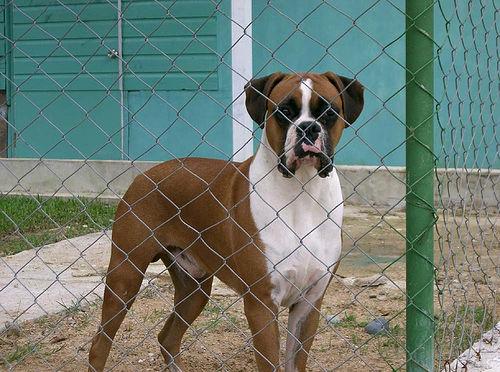
Wobbler syndrome causes spinal cord compression in the neck, and once you understand what’s happening inside your dog’s spine, you can make far better decisions about their care.
What Exactly Is Wobbler Syndrome?
Wobbler syndrome is a compression problem in the cervical (neck) region of the spine. The spinal cord or the nerve roots exiting the vertebrae get squeezed by unstable vertebrae, bulging discs, or thickened ligaments, and that compression disrupts the nerve signals traveling between the brain and the body.
The result is that distinctive “wobbly” walk: the hind end sways, the dog stumbles, and their coordination looks off in a way that’s hard to miss once you know what you’re looking at. Some dogs also develop weakness in the front legs as the condition progresses.
According to the Merck Veterinary Manual, cervical spondylomyelopathy is one of the most common neurological conditions in large-breed dogs. Doberman Pinschers and Great Danes are the breeds most frequently affected, but it also appears in Rottweilers, Mastiffs, and occasionally smaller breeds.
What Are the Signs of Wobbler Syndrome in Dogs?
The most recognizable signs of wobbler syndrome are a swaying hind-end gait, stumbling or scuffing the paws, and reluctance to lower the head to eat or drink. Neck pain, front leg weakness, and in severe cases loss of bladder or bowel control can also occur as the condition progresses.
Here’s what to watch for, broken down by how they typically appear:
Wobbly or ataxic gait: The hind legs move in an uncoordinated way, wide-based, swaying, sometimes crossing over each other. Many owners describe it as their dog looking drunk or like they’re walking on ice.
Scuffing or knuckling paws: Dogs may drag or scuff their back paws because the nerve signals telling their feet where they are in space (called proprioception) are disrupted. This can cause serious abrasion injuries if left unmanaged, something I cover in detail in the guide on knuckling in dogs.
Neck pain or stiffness: The dog may yelp when you try to put on a collar, resist having their head moved up or down, or hold their neck in an unnaturally rigid position.
Reluctance to jump or use stairs: The neurological impairment makes these movements feel unsafe — trust that instinct.
Front leg weakness or “choppy” gait: In more advanced cases, the front legs become involved too, with a short, stiff stepping pattern.
Bladder or bowel changes: Severe spinal cord compression can affect continence. If you’re seeing this, that’s an urgent vet call.
- Sudden worsening of wobbliness or paralysis
- Yelping in pain when the neck is touched or moved
- Loss of bladder or bowel control
- Inability to stand or complete front-leg collapse
- Rapid progression from stumbling to falling within days
How Is Wobbler Syndrome Diagnosed?
Diagnosis requires imaging: an X-ray can hint at the problem, but an MRI is considered the gold standard for identifying exactly where the compression is and what’s causing it. A board-certified veterinary neurologist will typically perform a full neurological exam first and then recommend appropriate imaging based on what they find.
This is not a diagnosis your regular vet can make confidently without specialist support. If your dog is showing these signs, ask for a referral to a veterinary neurologist.
Managing Wobbler Syndrome at Home
Treatment for wobbler syndrome generally falls into two categories: conservative (non-surgical) management and surgical intervention. Many dogs, particularly those with mild to moderate symptoms, are managed conservatively first.
Conservative Management: What It Involves
Strict activity restriction: No running, jumping, rough play, or stair use during flare-ups or early management. This protects the already-compressed spinal cord from further injury.
Pain management: Your vet or neurologist will likely prescribe anti-inflammatory medications or other pain relievers. Don’t skip doses: a dog in pain tenses their neck muscles, which puts more pressure on an already-compressed cord.
Harness instead of collar: A neck collar puts direct pressure on the cervical spine. Switch to a front-clip or chest harness for all walks immediately. From what I’ve seen in the disabled dog community, this is one of the most impactful changes owners can make right away.
Raised food and water bowls: Lowering the head repeatedly to eat and drink is uncomfortable and puts strain on the neck. Elevating bowls to roughly elbow height reduces that strain significantly.
Ramps instead of stairs: Every jump, on or off furniture, in or out of the car, is a spinal compression event. Ramps prevent this. Non-slip surfaces throughout the home also reduce the risk of falls.
Physical rehabilitation: Many rehab therapists and veterinary neurologists believe that structured, low-impact exercise (underwater treadmill, targeted strength work, balance exercises) may support muscle mass and coordination in wobbler dogs. Ask your neurologist for a referral to a certified canine rehabilitation therapist.
- Replace all collars with a well-fitted chest harness
- Elevate food and water bowls to elbow height
- Add non-slip mats or rugs on all hard floors
- Install ramps at all furniture and car entry points
- Block access to stairs unless supervised
Surgical Options
Surgery aims to decompress the spinal cord by removing or stabilizing whatever is causing the compression. There are several techniques, and the right choice depends on the specific type and location of the lesion: this is a decision for a specialist. Many dogs do well after surgery, but as with all spinal procedures, outcomes vary and there are real risks to weigh.
If your dog has been diagnosed and you’re weighing surgery versus conservative care, the article on IVDD surgery vs. conservative care walks through a useful framework for thinking through that decision. The principles translate well even though the condition is different.
Long-Term Daily Care: What This Actually Looks Like
Living with a wobbler dog means building a home environment that reduces risk and supports stability. From everything I’ve learned talking to owners and rehab specialists who work with these dogs, the daily routine matters as much as the medical treatment.
A few things that make a real difference day-to-day:
Consistent leash walks on level ground: Short, controlled, on-leash walks are far safer than off-leash yard time where a stumble on uneven ground can mean a fall.
Monitoring paw health closely: Scuffing paws are a constant issue. Check the tops of the paws daily for abrasions and consider ToeGrips (Dr. Buzby’s): they give dogs better grip on slippery floors and may reduce stumbling indoors.
Watching for progression: Wobbler syndrome can be stable for long periods, but it can also progress. Keep a simple log of what you observe each week, including gait, pain signals, and any new symptoms. That log is gold when you’re in a vet appointment trying to describe changes.
Emotional wellbeing: These dogs are often frustrated by their physical limitations. Mental enrichment, including puzzle feeders, scent work, and calm interaction, goes a long way.
- Check paws daily for abrasion from scuffing
- Keep walks short, slow, and on leash
- Maintain a consistent pain medication schedule
- Keep a weekly symptom log to track any progression
- Offer mental enrichment to offset reduced physical activity
Related Reading
- Knuckling in Dogs: Causes, Care & Prevention
- Deep Pain Perception in Dogs: What It Is and Why It Matters
- Neurological Conditions in Dogs: A Complete Guide
Wobbler syndrome is one of those diagnoses that feels overwhelming at first, especially because the visible symptoms can be scary to watch. But a lot of dogs with this condition have good years ahead of them with the right setup and a team who knows what they’re doing. Find a neurologist you trust, make the home changes today, and take it one week at a time.
Frequently Asked Questions
What are the first signs of wobbler syndrome in dogs?
The earliest sign is usually a subtle wobbly or uncoordinated gait in the hind legs, often described as the dog looking like it’s walking on ice. You may also notice reluctance to lower the head to eat or drink, stiffness when turning, and occasional stumbling. These signs can come on gradually and be easy to dismiss as “just aging” in the early stages.
Can a dog with wobbler syndrome live a normal life?
Many dogs with wobbler syndrome, especially mild to moderate cases, can live comfortable, happy lives with the right management. The goal is slowing progression, managing pain, and adapting their environment so they stay safe and mobile for as long as possible. Some dogs remain stable for years on conservative management alone.
Is wobbler syndrome painful for dogs?
Yes, it can be. Cervical spinal cord compression often causes neck pain alongside the neurological symptoms. Dogs may yelp when their neck is touched or moved, refuse to look up or down, and become reluctant to exercise. Good pain management is a core part of care, not an optional add-on.
Should a dog with wobbler syndrome have surgery?
Surgery is one option and may be recommended for dogs with significant compression who aren’t responding to conservative management, but it’s not right for every dog. The decision depends on the severity of compression, the dog’s age and overall health, and the specific type of wobbler lesion. A board-certified veterinary neurologist is the right person to make that call with you.
This guide is based on real experience and should be used alongside professional veterinary care. Always consult your veterinarian before starting any new treatment or making changes to your dog’s care plan.