Paralyzed Dog Wheelchairs: How to Choose & Fit a Cart
How to measure, fit, and introduce a wheelchair to a paralyzed dog — sizing mistakes to avoid, first-week sessions, and daily skin care that prevents sores.
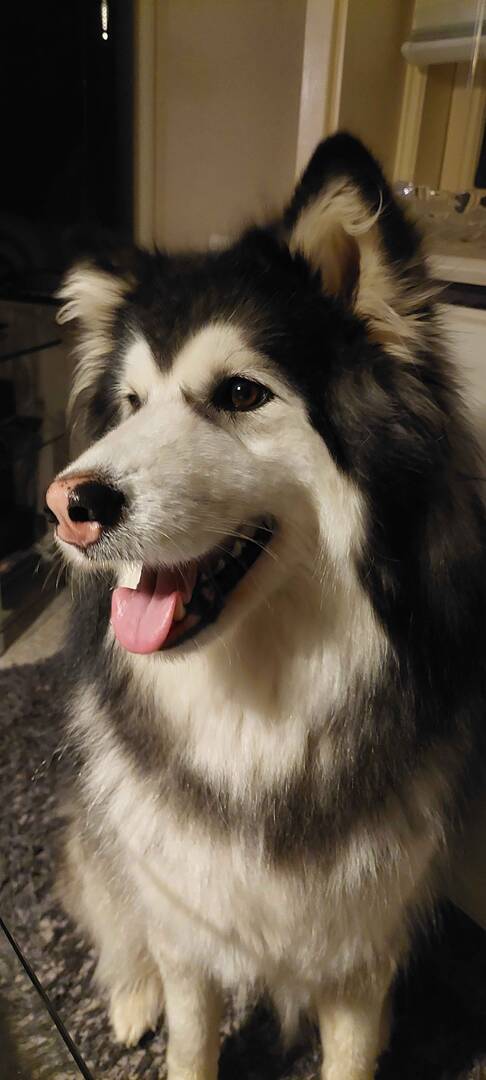
A wheelchair can give your paralyzed dog their life back — but only if it fits right and you know how to introduce it.
When our dog first lost the use of her back legs, I spent hours down a rabbit hole of wheelchair brands, sizing charts, and YouTube videos. It was overwhelming. Everyone had a different opinion. And honestly, the first cart we tried was wrong for her. We had to start over.
I don’t want that for you. This guide covers what I wish someone had told me from the start: how to choose a cart, how to measure your dog accurately, what the first sessions should look like, and the red flags that tell you something isn’t fitting right.
Why a Wheelchair Matters (and When to Get One)
A lot of caregivers wait too long to introduce a cart. They assume their dog needs to “be ready” or that it’s only for dogs who will never walk again. Neither is true.
Wheelchairs are appropriate for:
- Dogs with hind-end paralysis from IVDD, degenerative myelopathy (DM), or spinal injury
- Dogs in recovery who are regaining strength (the cart can support movement while muscles rebuild)
- Senior dogs with severe weakness who still want to move but keep falling
Even if you’re hoping for full recovery, using a cart during rehabilitation keeps your dog mentally stimulated, maintains muscle tone in the front legs, and most importantly, lets them be a dog again. The emotional difference it makes is remarkable.
- Dogs with hind-end paralysis or severe weakness lasting more than a few days
- After your vet has cleared weight-bearing on the front legs
- When your dog is alert, motivated, and eating normally
- At any stage of degenerative myelopathy once rear leg dragging begins
How Do You Choose the Right Wheelchair?
The right wheelchair depends on your dog’s specific condition, size, and how much support they need. For the vast majority of paralyzed dogs — including those with IVDD or degenerative myelopathy — a rear-support cart is the correct choice. A full-support quad cart is reserved for dogs with weakness or paralysis in all four limbs, which is a much less common situation.
Rear-Support vs. Full-Support Carts
Most paralyzed dogs need a rear-support wheelchair — the classic two-wheeled cart that supports the hindquarters while the dog walks on their front legs. It’s what you picture when you think “dog wheelchair.”
A full-support (quad) cart supports all four limbs and is used when a dog has weakness or paralysis in all legs. For IVDD and DM dogs, rear-support is almost always the right call. If you’re unsure which type your dog needs, your vet or a veterinary rehabilitation therapist can help you decide before you spend money on the wrong style.
Rear-Support vs. Quad Cart: Quick Comparison
| Feature | Rear-Support (2-wheel) | Full-Support (4-wheel) |
|---|---|---|
| Best for | Hind-end paralysis (IVDD, DM) | All-four-limb weakness |
| Front leg use | Dog walks on front paws | Front limbs are supported |
| Weight distribution | Loads onto front legs | Spread across all four wheels |
| Most common? | Yes — the standard choice | Much less common |
 disableddogcare.com
Brand Considerations
I’m not going to tell you one brand is universally “best” because fit matters more than brand. That said, the most commonly recommended options in disabled dog communities are:
- Eddie’s Wheels: custom-built to your measurements, higher cost, exceptional fit for unusual body shapes
- Walkin’ Wheels: adjustable, good for dogs still growing or changing size, faster to receive
- K9 Carts: another reputable custom option with strong community support
For a dog with an unusual body shape — long-backed breeds especially — a custom cart often fits noticeably better than an adjustable one. If your dog has front-end involvement as well as hind-end weakness, the LetPetRun 4-Wheel Adjustable Dog Wheelchair is worth considering, since it spreads weight across all four wheels instead of concentrating it on the front legs.
If budget is a concern, check Facebook groups for used carts. Many caregivers sell them when their dog no longer needs one. Just make sure you can adjust it to fit your dog properly — a poorly fitting used cart is worse than no cart at all.
How Do You Measure a Dog for a Wheelchair?
Accurate measurements are the single most important factor in getting a wheelchair that works. Getting this wrong — even by an inch — is the most common reason carts cause sores, tipping, or outright refusal. Withers height (the floor to the top of the shoulder blades) is the most critical number because it determines wheel height and whether the rear end sits at the right angle.
Here are the core measurements almost every manufacturer needs:
| Measurement | How to take it |
|---|---|
| Withers height | Floor to the top of the shoulder blades (determines wheel height) |
| Body length | From the back of the last rib to the base of the tail |
| Chest width | Widest point across the chest |
| Chest depth | From the top of the back to the sternum (breastbone) |
| Weight | Current, accurate weight |
disableddogcare.comMeasure with your dog standing, or have a helper hold them in a standing position. For paralyzed dogs, you may need to support the rear while someone else measures. Do it twice. Measurements that are off by even an inch can cause sores, tipping, or a dog who refuses to use the cart at all.
Common Measuring Mistakes
- Using a fabric tape measure alone: It sags and gives inaccurate readings. Use a rigid ruler against the wall to mark withers height, then measure the wall.
- Measuring on a soft surface: The floor should be hard and flat. Carpet compresses under your dog’s paws and throws off height measurements.
- Measuring a dog who is slumped or crouching: A helper holding the rear end in a neutral standing position makes a real difference. If your dog tends to crouch, measure on a table with assistance.
- Not remeasuring after weight changes: If your dog has lost muscle mass since diagnosis — which happens quickly with paralysis — remeasure before ordering. A cart fitted at full weight may not fit correctly after weeks of muscle atrophy.
- Knuckling or dragging the front paws (cart may be too long or too heavy at the rear)
- Saddle digging into the groin or belly, causing sores quickly
- Dog tilting to one side or tipping forward
- Refusal to move after several sessions — this is often pain, not stubbornness
The First Week: What to Actually Expect
I’ll be honest: the first session is usually chaotic. Most dogs freeze, panic, or spin in circles. That’s completely normal.
Here’s what worked for us:
Session 1–3: Just Getting Used to It
Put the cart on for five minutes maximum. Let your dog sniff it beforehand. Use high-value treats to lure forward movement. Even one step is a win. Keep your energy calm — dogs pick up on your anxiety.
Don’t chase your dog or force movement. Just reward any forward motion and stop the session while things are still positive.
Session 4–7: Building Time and Distance
Slowly increase sessions to 10–15 minutes. Move to a flat, smooth surface — hardwood or a smooth path outside. Grass and carpet are actually harder to start on because of resistance.
Watch for fatigue. A dog who is panting heavily, lowering their head, or stopping frequently needs a break.
End of Week One Goal
By day 7, most dogs are at least moving intentionally in the cart, even if it’s not graceful. Some dogs — especially younger ones or early-stage DM dogs — take to it within the first two sessions. Don’t compare your dog’s progress to videos you see online. Some dogs that seem eager on camera have been using their carts for months before that footage was taken.
- Feed meals in the cart during early training
- Keep sessions short and always end on a success, even a tiny one
- Use the cart at the same time each day so it becomes routine
- Let your dog see other dogs walking and playing nearby if possible — it motivates them
Navigating Real Life: Indoors, Outdoors, and Tight Spaces
One thing setup guides often skip is the practical reality of daily life in a cart. Here’s what most caregivers figure out through trial and error — and what’s worth knowing from the start.
Turning: Early on, most dogs struggle to turn in a cart, especially in tight spaces. Remove rugs and low obstacles from key paths. Some dogs learn to back up slightly before turning; others barrel into walls until they figure it out. Give them time and space.
Indoor flooring: Smooth hardwood or tile is easier than carpet for cart movement, but it can be slippery for the front paws. Traction socks or paw wax on the front feet can help prevent knuckling and sliding. Carpet runners work well as defined “lanes” in hallways. For a deeper look at flooring solutions for mobility-impaired dogs, the guide on flooring and traction for IVDD dogs has practical tips that apply to any dog in a cart.
Outdoors: Flat pavement is the easiest surface. Grass requires more effort and tires dogs out faster — which can actually be useful for building strength, but keep sessions shorter. Avoid uneven ground, gravel, and steep inclines until your dog is confident.
Getting in and out: This is a two-person job at first. One person holds the cart steady; the other positions the dog. With practice, many dogs learn to step into position on their own — but don’t rush that stage.
Caring for a Dog Who Uses a Wheelchair
Skin and Sore Prevention
The areas most at risk are the groin, armpits, and anywhere the saddle or straps contact skin. Check these spots every single day. A small rub can become a pressure sore within 48 hours on a dog who can’t feel that area.
- Use a thin layer of barrier cream (like Aquaphor or plain petroleum jelly) on high-contact areas
- Make sure the saddle has adequate padding, and add fleece or neoprene if it doesn’t
- Remove the cart completely when not in supervised use
- If you notice any redness, stop cart use and let the area recover before resuming
From what I’ve seen in the disabled dog community, pressure sores from ill-fitting carts are one of the most common — and most preventable — complications. Don’t skip the daily skin check, even when you think everything is fine. The dog can’t tell you it hurts. For a full guide to managing this risk, pressure sores in paralyzed dogs covers prevention, early signs, and treatment in detail.
Building Strength Alongside the Cart
The wheelchair supports movement, but it doesn’t build core strength on its own. Talk to your vet about pairing cart time with:
- Assisted standing exercises for whatever leg function remains
- Hydrotherapy if available — widely recommended for both DM and IVDD recovery dogs to maintain muscle mass with low joint stress
- Massage and passive range-of-motion exercises to keep muscles from atrophying in non-weight-bearing limbs
A veterinary rehabilitation therapist can put together a home exercise plan that complements cart use. Many rehab vets offer an initial consultation that’s well worth the cost, even if ongoing sessions aren’t feasible.
- Open sores, raw skin, or swelling where the cart contacts the body
- Sudden loss of front-leg strength or coordination
- Your dog crying, yelping, or showing signs of pain when placed in the cart
- Skin that is warm, red, or weeping, which may indicate infection
What Happens to Bladder and Bowel Function in a Wheelchair Dog?
This is something a lot of new wheelchair caregivers aren’t prepared for, and it deserves its own section. Many dogs who need a wheelchair also have some degree of bladder or bowel dysfunction — either incomplete emptying, full incontinence, or unpredictable leaking. The cart helps them move, but it doesn’t fix the plumbing.
A few things to know:
- Cart time can stimulate movement — meaning your dog may urinate or defecate while in the wheelchair, especially during early sessions. This is normal and not a sign something is wrong.
- Manual bladder expression may be necessary if your dog cannot empty their bladder on their own. This is a skill your vet or rehab therapist can teach you. The guide on bladder and bowel care for paralyzed dogs covers this in detail, including how to tell if your dog is emptying fully.
- Incontinence management during cart sessions often means keeping sessions over easy-clean surfaces, checking the groin and underside regularly, and building hygiene into your post-cart routine from day one.
Many owners find that a consistent cart schedule actually helps with bladder timing — the activity and movement can trigger voiding, which you can work with once you know to expect it.
A Note on Letting Go of the “Before”
The hardest part of introducing a wheelchair isn’t the logistics. It’s the emotional weight of it. You might feel like the cart is a symbol of something you’ve lost, rather than something your dog has gained.
I felt that too. And then I watched our girl zoom down the hallway for the first time, tail going, and I understood: she doesn’t know she’s disabled. She just knows she can move again.
That’s what the cart gives them. Don’t wait too long to give it.
Related Reading
- Pressure Sores in Paralyzed Dogs: Prevention & Treatment
- Bladder and Bowel Care for Paralyzed Dogs
- Knuckling in Dogs: Causes, Care & Prevention
Frequently Asked Questions
When should I introduce a wheelchair to my paralyzed dog?
Most vets and rehab therapists recommend introducing a cart once your dog has been cleared for front-leg weight-bearing and has had hind-end weakness or paralysis for more than a few days. You don’t need to wait for a full diagnosis or a final prognosis — early mobility helps maintain muscle tone and mental wellbeing.
What’s the most important measurement for fitting a dog wheelchair?
Withers height (floor to the top of the shoulder blades) is the single most critical measurement because it sets the wheel height and determines whether your dog’s rear end is properly supported. Measure twice, with your dog in a standing position, and use a rigid ruler against the wall rather than a fabric tape measure alone.
How long should wheelchair sessions be in the first week?
Start with five minutes maximum per session for the first two or three sessions. Gradually build to 10–15 minutes by the end of the first week. Watch for fatigue signs like heavy panting, head dropping, or stopping frequently — these mean your dog needs a break before the session ends.
Can a dog use a wheelchair during IVDD recovery, or only after?
Carts can be used during IVDD recovery in appropriate cases — they allow movement while protecting the spine from uncontrolled weight-bearing. However, timing and type of activity must be guided by your vet or a rehabilitation specialist, since the right approach depends on your dog’s grade of injury and treatment path.
This guide is based on real experience and should be used alongside professional veterinary care. Always consult your veterinarian before starting any new treatment or making changes to your dog’s care plan.