What Causes a Head Tilt in Dogs?
A dog head tilt can mean anything from an ear infection to a brain lesion. Here's how to read the signs, what vets look for, and when to act fast.
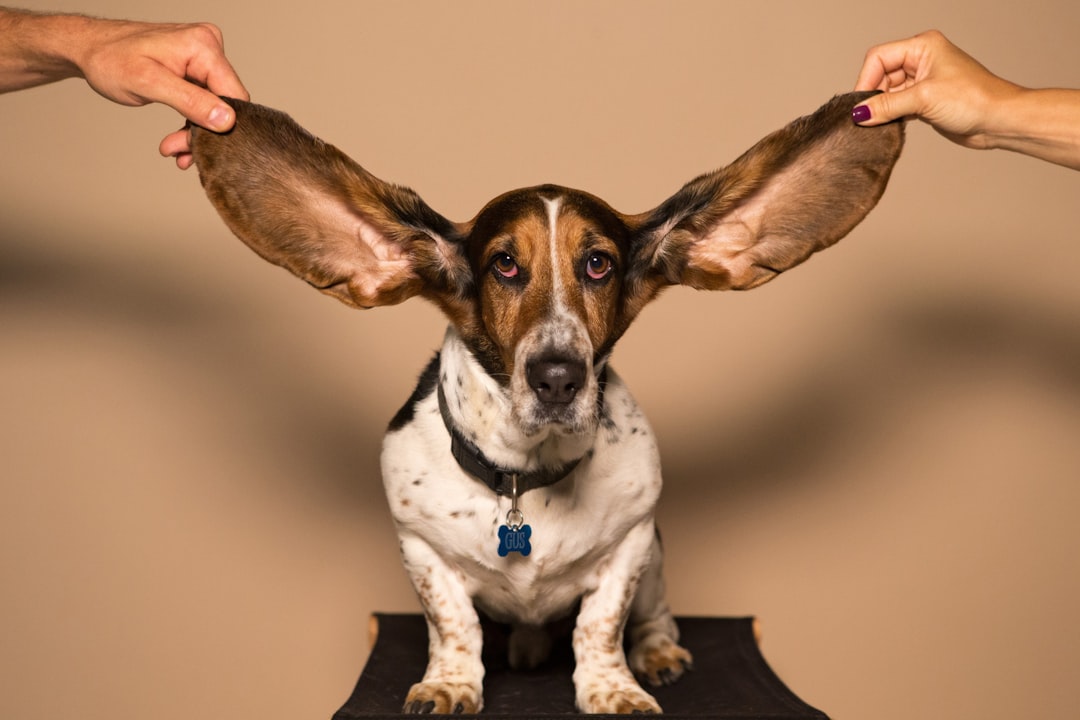
Photo by kyle smith on Unsplash
A dog head tilt is one of those symptoms that looks alarming the moment you notice it — and it’s worth taking seriously, even if the cause turns out to be something straightforward.
Most owners notice a head tilt days after it first appeared — the dog seemed “off” for a while, and then one afternoon you realize the angle of their head has been wrong this whole time. That delay is completely normal. The tilt often comes on gradually, and it’s easy to dismiss at first. But once you’ve seen it, you can’t unsee it, and you’re right to want answers.
What Is Actually Happening When a Dog Tilts Its Head?
A persistent head tilt — meaning one that stays in one direction rather than the curious tipping dogs do when they hear an interesting sound — almost always signals a problem with the vestibular system. The vestibular system is essentially your dog’s internal level. It lives in the inner ear and the brainstem, and it tells the brain which way is up. When something disrupts that system, the dog’s head pulls toward the affected side.
The tilt is the dog’s brain trying to reconcile faulty balance information. It’s not a posture choice — it’s a neurological signal that something is off in the balance pathway.
What Are the Most Common Causes?
The most common causes of a dog head tilt are vestibular disease, ear infections, and middle or inner ear masses. These three account for the large majority of cases seen in general practice. Here’s what distinguishes each one:
Idiopathic vestibular disease: “Idiopathic” means the cause is unknown. This condition — sometimes called “old dog vestibular disease” because it tends to appear in senior dogs — can look terrifying. Dogs often can’t walk, vomit repeatedly, and have dramatic rapid eye movements called nystagmus (where the eyes flick back and forth involuntarily). Many owners rush to the ER convinced their dog has had a stroke. The good news is that most dogs recover substantially within 2–4 weeks, though a residual tilt can sometimes persist. According to VCA Hospitals, idiopathic vestibular disease is the most common cause of sudden vestibular signs in older dogs and carries a good prognosis.
Ear infections: Otitis externa (outer ear infection) can cause a head tilt if the infection is severe enough, but the more significant culprit is otitis media or interna — infection of the middle or inner ear. These sit closer to the vestibular nerve and are more likely to produce balance disruption. Dogs with chronic ear infections, floppy ears, or a history of ear problems are at higher risk.
Ear polyps or masses: Benign growths in the middle ear canal can put pressure on vestibular structures and cause a tilt. These are more common in younger dogs than vestibular disease is.
Hypothyroidism: Low thyroid function is one of the less obvious causes of vestibular signs in dogs. Some hypothyroid dogs develop peripheral vestibular dysfunction. A simple blood test can rule this in or out fairly quickly.
Stroke or FCE: A vascular event in the brainstem or cerebellum can cause a sudden head tilt along with other neurological signs. Our article on stroke in dogs covers how to recognize when that’s the more likely explanation.
Brain tumors or meningoencephalitis: These are the causes that rightfully worry owners most. A tumor pressing on the brainstem or cerebellum, or inflammatory disease affecting the brain (like granulomatous meningoencephalomyelitis, often abbreviated GME), can produce a progressive head tilt alongside other neurological changes.
- Peripheral vestibular disease originates in the ear or vestibular nerve — usually more treatable
- Central vestibular disease originates in the brainstem or cerebellum — more serious, needs specialist workup
- Nystagmus that changes direction when you move your dog’s head is more likely to be central
- Postural reaction deficits (the dog’s paw knuckling when you flip it) point toward central disease
How Do Vets Figure Out the Cause?
Vets narrow down a dog head tilt diagnosis through a combination of physical exam, neurological exam, and imaging. The neurological exam — which you can read more about in The Neurological Exam: What Your Vet Checks — looks at things like postural reactions, cranial nerve responses, and the direction and character of the eye movements. These findings help distinguish a peripheral problem (ear-related) from a central one (brain-related).
From what I’ve seen and heard from other owners, the initial workup usually looks something like this:
- Full ear exam: Looking for infection, discharge, or a visible mass
- Neurological screening: Assessing gait, postural reactions, and nystagmus character
- Blood work and thyroid panel: To rule out metabolic causes like hypothyroidism
- Imaging (CT or MRI): Recommended when central disease is suspected, or when a dog doesn’t improve as expected
MRI is the gold standard for evaluating the brainstem and inner ear structures. If your vet is concerned about a central cause, a referral to a veterinary neurologist is the appropriate next step.
- Head tilt accompanied by sudden facial drooping or inability to blink one eye
- Difficulty swallowing or a change in the dog’s bark or voice
- Rapid progression of neurological signs over hours rather than days
- Seizures alongside the head tilt
- Known cancer history in the dog
Does the Speed of Onset Tell Us Anything?
Yes — and this is actually one of the most useful clues. A head tilt that appeared suddenly and dramatically (the dog was fine at breakfast and catastrophically off-balance by dinner) is more likely to be idiopathic vestibular disease, a vascular event, or an acute ear infection. A tilt that crept in over days or weeks, where you kept thinking “something seems slightly off,” tends to raise more concern for a slow-growing mass, inflammatory brain disease, or hypothyroidism.
That said, these are tendencies, not rules. A brain tumor can declare itself suddenly if there’s hemorrhage into it. And vestibular disease can sometimes come on gradually in older dogs. The speed of onset is one piece of the puzzle, not the whole picture.
- Keep the environment simple: clear a small area of furniture so your dog can’t injure itself if it stumbles
- Offer water by hand if your dog is too dizzy to find the bowl
- Skip the stairs entirely — a vestibular dog can fall unpredictably
- Note when the tilt started, how it progressed, and any other signs you’ve observed (video is enormously helpful)
What Does Recovery Look Like?
Recovery depends entirely on the cause. For idiopathic vestibular disease, many caregivers are surprised by how quickly things improve — often within a week or two the dog is walking again, though the head tilt may linger for months or even permanently in mild form. For ear infections, most dogs improve once appropriate antibiotics reach the inner ear, though middle and inner ear infections can require longer treatment courses than outer ear infections.
Central causes — brainstem tumors, GME, strokes — have more variable outcomes. Some dogs do well with treatment; others decline despite aggressive management. The honest reality is that a central vestibular cause requires specialist involvement and often brings harder decisions along with it.
If you’re navigating a more complex neurological picture alongside the head tilt, the overview at Neurological Conditions in Dogs: A Complete Guide is a useful place to start making sense of what the vet is telling you.
The caregivers I’ve connected with through the disabled dog community consistently say the same thing about head tilts: the waiting is the hardest part. Once you have a diagnosis, even a difficult one, you can start making a plan. Get to the vet, ask for the neurological exam, and push for answers if your instinct says something is being missed.
Related Reading
- Vestibular Disease in Dogs: Signs, Recovery, and Care
- Stroke in Dogs: Recognizing Signs, Diagnosis, and Recovery
- Ataxia in Dogs: Causes, Diagnosis, and What to Do
Frequently Asked Questions
Can a dog head tilt go away on its own?
It depends entirely on the cause. Idiopathic vestibular disease — the most common cause in older dogs — often resolves significantly within 2–4 weeks without treatment. An ear infection needs antibiotics to clear. A brain tumor or polyp will not improve without targeted treatment.
Is a head tilt in dogs always serious?
Not always, but it always warrants a vet visit. The majority of head tilts turn out to be vestibular disease or an ear infection, both of which are manageable. The concern is that a small number are caused by something more serious, like a brain lesion, and those need to be caught early.
What other signs appear alongside a head tilt?
The most common companions to a dog head tilt are nystagmus (rapid eye movement side to side or up and down), circling toward the side of the tilt, stumbling or falling, and nausea. If you’re also seeing facial drooping, difficulty swallowing, or a sudden personality change, those raise the urgency significantly.
Which dog breeds are most prone to vestibular disease?
Idiopathic vestibular disease can affect any dog, but older large-breed dogs seem to be diagnosed with it more frequently. Cocker Spaniels and Dobermans are among the breeds noted in the veterinary literature as having higher rates of inner-ear and vestibular issues.
This guide is based on real experience and should be used alongside professional veterinary care. Always consult your veterinarian before starting any new treatment or making changes to your dog’s care plan.