Stroke in Dogs: Recognizing Signs, Diagnosis, and Recovery
Sudden head tilt and stumbling — is it a stroke or vestibular disease? What caregivers need to know about canine stroke signs, MRI diagnosis, and what recovery…
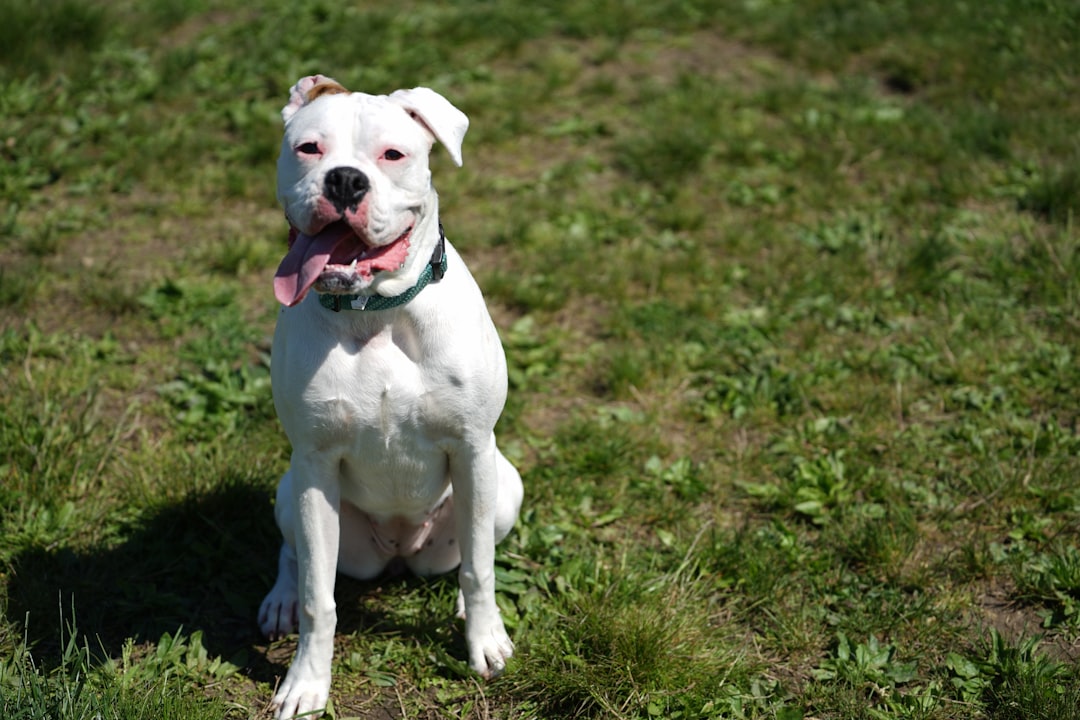
Photo by Vito Natale on Unsplash
When your dog suddenly can’t walk straight, has a tilted head, and is falling to one side, your first terrifying thought might be “stroke” — and you might be right, but you also might be looking at something else entirely.
The call I hear from caregivers most often goes something like this: dog was fine at dinner, then two hours later couldn’t stand up, head cocked to one side, eyes flickering back and forth. Panic sets in. “Is this a stroke?” It might be. But it might also be vestibular disease — a condition that shares so much of the same sudden-onset presentation that even experienced vets sometimes can’t tell them apart without imaging. Understanding the difference matters, because the management paths diverge quickly.
What Is a Stroke in Dogs?
A canine stroke is a disruption of blood flow to part of the brain severe enough to kill or damage brain tissue. There are two types, and they don’t always look different from the outside.
Ischemic stroke: A blood clot or other obstruction blocks an artery feeding part of the brain, cutting off oxygen. This is the more common type in dogs. The damage happens quickly — brain cells begin to die within minutes of being deprived of blood flow.
Hemorrhagic stroke: A blood vessel ruptures and bleeds into or around the brain. This can cause pressure buildup in addition to the tissue damage from lost blood supply. Hemorrhagic strokes tend to be more severe and carry a more guarded prognosis.
Both types are distinct from a fibrocartilaginous embolism (FCE), which interrupts blood supply to the spinal cord rather than the brain. You can read more about that in FCE in Dogs: The Spinal Stroke Nobody Expects, which covers that spinal version in full.
How Do I Know If It’s a Stroke or Vestibular Disease?
The honest answer is that you often can’t know for certain without imaging — and that’s not a failure on your part. Both conditions cause sudden-onset head tilt, falling, stumbling, disorientation, and sometimes vomiting. The distinction that matters most in the acute phase is the trajectory.
The signs below can help you have a more informed conversation with your vet, but they are not a substitute for examination and imaging. The companion article Vestibular Disease in Dogs: Signs, Recovery, and Care goes deep on the vestibular side of this differential.
| Feature | Vestibular Disease | Stroke |
|---|---|---|
| Onset | Sudden — minutes to hours | Sudden — minutes to hours |
| Head tilt | Common | Common |
| Nystagmus (eye flicker) | Usually horizontal or rotary | Often vertical (more concerning) |
| Circling | Common | Common |
| Falls to one side | Yes | Yes |
| 72-hour improvement | Typically yes — marked | Variable — may plateau or worsen |
| Loss of consciousness | Rare | Possible |
| Weakness in limbs | Unusual | More likely |
| Confusion persisting >1 week | Uncommon | More likely |
| Underlying disease present | Less typical | More typical |
 disableddogcare.com
Vertical nystagmus (eyes flickering up and down rather than side to side) is one of the most useful clinical flags for brain involvement rather than inner-ear vestibular disease. It’s not absolute, but when a vet or owner sees it, it raises the index of suspicion for a central neurological event.
- Sudden loss of consciousness or seizure
- Inability to stand at all, worsening rapidly
- Vertical nystagmus (eyes flicking up and down)
- Weakness or paralysis in one or more limbs
- Symptoms getting dramatically worse over hours, not better
- Known underlying disease (hypertension, Cushing’s, kidney disease) plus any acute neurological sign
Which Dogs Are Most at Risk for Stroke?
Canine strokes are most commonly secondary — meaning they happen because of an underlying disease that disrupts the blood vessels or clotting system. The conditions most associated with elevated stroke risk include:
Hypertension (high blood pressure): Chronically elevated blood pressure damages vessel walls and increases the risk of both rupture and clot formation. It’s one of the most common underlying drivers of hemorrhagic stroke in dogs.
Hypothyroidism: An underactive thyroid gland can contribute to elevated cholesterol and changes in clotting factor activity. As Cornell University College of Veterinary Medicine notes in their clinical resources, hypothyroidism is one of the more commonly identified underlying causes in dogs diagnosed with ischemic stroke.
Cushing’s disease (hyperadrenocorticism): Excess cortisol promotes a pro-clotting state and contributes to hypertension — a double risk factor for stroke.
Chronic kidney disease (CKD): Kidney disease is a major cause of secondary hypertension in dogs, which loops back to vascular damage and stroke risk.
Cardiac disease: Conditions that cause abnormal heart rhythms or clot formation within the heart can seed emboli (traveling clots) that lodge in brain vessels.
Blood-clotting disorders: Either too much or too little clotting activity (polycythemia, thrombocytopenia, some cancers) can precipitate stroke.
Brain tumors: Tumors can directly invade or compress blood vessels, or bleed into surrounding tissue. This is one reason MRI matters — you need to know if what looks like a stroke is actually a mass.
Senior dogs are disproportionately affected. This isn’t because age itself causes stroke, but because age accumulates the underlying conditions that raise risk.
How Is a Canine Stroke Diagnosed?
MRI is the gold standard for diagnosing stroke in dogs, and the only way to reliably distinguish it from mimics like brain tumors, inflammatory brain disease (encephalitis), or inner-ear vestibular disease.
A standard workup for a dog with acute neurological signs typically includes:
- Full physical and neurological exam — to localize where in the nervous system the problem is coming from
- Blood pressure measurement — simple, quick, and critical
- Complete bloodwork and urinalysis — to screen for hypothyroidism, kidney disease, Cushing’s, clotting disorders, and metabolic causes
- Chest radiographs — to look for cardiac disease or lung masses
- MRI of the brain — to visualize the lesion, rule out tumor or infection, and characterize the stroke type and location
- CSF analysis — cerebrospinal fluid tap, sometimes performed at the same time as MRI under the same anesthesia, to rule out inflammatory or infectious causes
Whether to pursue MRI depends on the individual dog, the owner’s goals, and the dog’s overall health status. A dog who is very old or has serious concurrent illness may not tolerate anesthesia well. Your neurologist will help you weigh that honestly. If MRI isn’t pursued, treatment is often empirical — supporting the dog through the acute phase while treating any identifiable underlying conditions.
VCA Hospitals notes that many dogs with stroke-like presentations stabilize and improve without a confirmed diagnosis, but identifying the underlying cause is critical for preventing a second event.
- Vestibular disease (idiopathic or otitis interna)
- Brain tumor (primary or metastatic)
- Inflammatory brain disease (encephalitis, meningitis)
- Fibrocartilaginous embolism (spinal, not brain)
- Toxin exposure
- Severe metabolic disturbance (profound hypoglycemia, hepatic encephalopathy)
What Do I Do During the Acute Phase?
The acute phase — typically the first 24 to 72 hours — is when dogs are most vulnerable and caregivers are most scared. Here’s what actually helps.
Get to a vet immediately. There is no useful “wait and see” window when a dog has sudden neurological signs. Even if it turns out to be vestibular disease (which is not emergent in the same way), you need that diagnosis confirmed.
Keep your dog still and safe. A dog who can’t balance will injure themselves thrashing. Confine them in a small, padded space. Remove anything they can fall against or into. If they can’t hold their head up steadily, support them gently.
Don’t force food or water. Disorientation and nausea make aspiration a real risk. Let your vet guide when and how to reintroduce food in the first hours.
Note what you observed. Time of onset, what symptoms looked like, any known underlying conditions — this information is genuinely useful to the examining vet.
Expect hospitalization initially. Dogs in the acute stroke phase often need IV fluids, blood pressure management, anti-nausea medication, and close monitoring. Bringing them home before they’re stable enough increases risk.
- Keeping the environment calm and low-stimulation in the first week
- Preventing falls — padded areas, non-slip flooring, limited access to stairs
- Assisting with position changes to prevent pressure sores if mobility is limited
- Treating and monitoring any identified underlying condition aggressively
- Gentle supported walking as tolerated — movement encourages neurological compensation
- Regular recheck appointments to track progress
What Does Stroke Recovery Look Like?
Recovery from canine stroke often surprises people — in a good direction. Dogs tend to compensate neurologically better than humans do after stroke, and meaningful improvement over four to eight weeks is common. This doesn’t mean every dog makes a full recovery, but many regain functional quality of life.
The recovery pattern generally follows this rough shape:
- First 24–72 hours: Often the most dramatic — acute symptoms at their worst, dog may not be able to stand
- Days 3–14: Gradual stabilization, early improvement in balance and orientation
- Weeks 2–8: Continued neurological compensation; most of the functional recovery happens in this window
- Beyond 8 weeks: Slower improvement continues; what remains at this stage is often what the dog will keep
A few important caveats: recovery depends heavily on stroke size and location. A small ischemic lesion in a relatively non-critical area carries a far better prognosis than a large hemorrhagic stroke in the cerebellum or brainstem. Your neurologist’s early assessment of lesion location on MRI gives you the best available information.
If a stroke leaves lasting hind-limb weakness or paralysis, the caregiving shifts into the same territory covered in Paralyzed Dog Bladder & Bowel Care: A Caregiver’s Guide — bladder expression, skin care, positioning, and all the practical reality of caring for a dog who can’t move the way they used to.
Long-Term Management and Quality of Life
Treating the underlying cause is the single most important thing you can do to prevent a second stroke. If your dog has hypertension, managing it with medication and monitoring is ongoing work, not a one-time fix. If it’s hypothyroidism, thyroid supplementation is lifelong. If it’s Cushing’s disease, that condition requires its own management plan.
Beyond underlying-cause management, long-term care for a post-stroke dog may include:
Physical rehabilitation: Many rehab vets believe that structured movement exercises help the brain form new compensatory pathways. The evidence in dogs is limited but the principle is sound, and many caregivers find structured rehab sessions make a meaningful difference in recovery speed.
Anti-seizure medication: Some dogs develop seizures after stroke as a secondary complication. If this happens, your vet will discuss anticonvulsant therapy.
Blood pressure monitoring: Regular rechecks, at home or at the clinic, to keep hypertension controlled.
Quality of life assessment: If a dog has significant lasting deficits, the conversation about quality of life becomes important. Most post-stroke dogs, especially those who showed early improvement, maintain a good life. But if a dog cannot control bladder or bowel function, cannot stand, and shows signs of distress rather than adaptation, that conversation needs to happen honestly.
A dog who tilted and fell and then gradually relearned to walk a reasonably straight line — that dog’s quality of life is often very good. What caregivers in the disabled dog community consistently describe is that dogs adapt to neurological deficits in a way that would astonish most people.
Related Reading
- Vestibular Disease in Dogs: Signs, Recovery, and Care
- Ataxia in Dogs: Causes, Diagnosis, and What to Do
- Neurological Conditions in Dogs: A Complete Guide
- Dog quality of life scale: a day-to-day quality-of-life record
Frequently Asked Questions
How can I tell if my dog had a stroke or just vestibular disease?
The two can look nearly identical at onset — both cause sudden head tilt, stumbling, and nausea. The key difference is that vestibular disease typically improves noticeably within 72 hours, while stroke symptoms may plateau or worsen. An MRI is the only way to confirm which one you’re dealing with.
Can dogs recover from a stroke?
Many dogs recover significantly from a stroke, often better than humans do — partly because the canine brain has a good capacity for compensation. Recovery varies widely depending on stroke size and location, but meaningful improvement over four to eight weeks is common, especially with good supportive care.
What conditions put dogs at higher risk for stroke?
Dogs with hypertension, hypothyroidism, Cushing’s disease, chronic kidney disease, heart disease, or certain blood-clotting disorders are at elevated risk. Senior dogs are more commonly affected. Identifying and managing underlying conditions is the most important long-term prevention strategy.
Is an MRI always necessary after a suspected stroke?
MRI is the gold standard for confirming a stroke and ruling out other causes like brain tumors or inflammatory disease. Whether it’s warranted depends on the dog’s age, overall health, and how the owner wants to approach long-term management. Your neurologist can help you weigh the cost and benefit honestly.
If you’re reading this in the middle of the night because your dog just started falling and you’re terrified — go to the emergency vet. Whether it’s a stroke or vestibular disease or something else entirely, your dog needs an exam now, and you need someone in the room with you who can run through the possibilities in real time. You can read the rest of this later, when you know what you’re dealing with.
This guide is based on real experience and should be used alongside professional veterinary care. Always consult your veterinarian before starting any new treatment or making changes to your dog’s care plan.