Seizures in Disabled Dogs: What to Do in the First 5 Min
The first 5 minutes matter most — how to keep your dog safe during a seizure, what to log for the vet, and the signs that mean go to the ER.
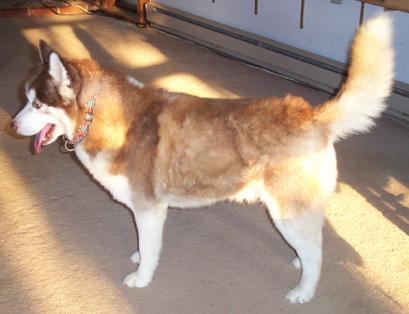
Watching your dog have a seizure is one of the most terrifying experiences a caregiver can face, and when your dog is already disabled, it feels twice as scary.
If you’re caring for a dog with an existing neurological condition (IVDD, degenerative myelopathy, vestibular disease, or a spinal cord injury) and now facing seizures on top of everything else, the panic of the first one is hard to overstate. Caregivers in disabled-dog communities I’ve been part of describe the same frozen, helpless feeling. This guide is the framework I wish more of them had had in that moment: what’s actually happening, what to do during the episode, and when it crosses the line into an emergency.
What Does a Dog Seizure Actually Look Like?
A dog seizure typically involves sudden, uncontrolled muscle movements, loss of consciousness, paddling legs, jaw chomping, drooling, and often loss of bladder or bowel control. The whole episode usually lasts one to three minutes, followed by a disoriented recovery phase called the post-ictal period.
It’s worth knowing that seizures can look different depending on type. The dramatic, full-body convulsion most people picture is called a generalized or tonic-clonic seizure. But there are also focal seizures, which may look like rhythmic face twitching, repeated blinking, chewing movements with no food present, or sudden strange behavior like snapping at invisible flies. These subtler types are easier to miss, and in a dog who already has limited mobility, focal seizures can be especially hard to distinguish from normal muscle spasms.
- Pre-ictal (aura): Your dog may seem anxious, clingy, or dazed, sometimes minutes before the seizure begins
- Ictal (the seizure itself): Uncontrolled muscle movements, paddling, loss of consciousness, drooling, possible loss of bladder/bowel control
- Post-ictal (recovery): Confusion, disorientation, temporary blindness, wobbly movement — can last minutes to hours
- Inter-ictal (between seizures): Normal behavior between episodes; some dogs have cluster seizures in this window
What Should I Do During My Dog’s Seizure?
During a seizure, your job is to keep your dog safe, time the episode, and stay out of the way of snapping jaws. Clear the immediate area of hard furniture edges, slide your dog gently away from stairs or elevated surfaces, and put a folded towel or blanket under their head if you can do it safely.
Do not hold your dog down. Do not put anything in their mouth. Dogs cannot swallow their tongues — that is a myth, and reaching near a seizing dog’s mouth is how people get seriously bitten.
Timing Matters More Than You Think
Start a timer the moment the seizure begins. This one habit has saved many dogs’ lives. Five minutes is the line between “monitor and call your vet in the morning” and “go to the emergency animal hospital right now.” If your phone is nearby, try to record the episode. A 30-second video gives your vet more information than a verbal description ever could.
For Dogs Who Are Already Paralyzed or Have Limited Mobility
This is where caring for a disabled dog adds a layer of complexity. A dog who already can’t feel or move their back legs may not show the typical “paddling all four legs” picture. You might see only upper-body involvement, or intense facial twitching, or sudden rigidity. Stay alert to any sudden, uncontrolled movement that is unlike your dog’s normal muscle spasms or sleep twitches.
Also: if your dog is wearing a Baby Drag Onesie during the day for skin protection, leave it on during a seizure unless it is restricting breathing. The padding can actually help protect skin during the convulsive phase.
- Seizure lasts more than 5 minutes without stopping
- Your dog has two or more seizures within 24 hours (cluster seizures)
- Your dog does not regain consciousness between seizures
- Breathing is labored or your dog’s gums turn pale, white, or blue
- Your dog is in significant distress or pain in the post-ictal phase
Why Might a Disabled Dog Have Seizures?
Seizures in dogs with existing neurological conditions like IVDD or degenerative myelopathy are not necessarily caused by those conditions. According to the Merck Veterinary Manual, the most common cause of seizures in dogs overall is idiopathic epilepsy, meaning no underlying structural cause can be found. But in dogs with known spinal or neurological disease, your vet will want to rule out secondary causes.
Common reasons a disabled dog might develop seizures include:
- Idiopathic epilepsy: The most common cause, with no identifiable underlying disease
- Medication side effects or interactions: Some pain medications and steroids can lower the seizure threshold
- Metabolic causes: Liver disease, kidney disease, low blood sugar, and electrolyte imbalances can all trigger seizures
- Brain involvement: In rare cases, disc disease or inflammation can involve the brain rather than just the spinal cord
- Toxin ingestion: Dogs who spend more time on the floor due to mobility limitations may have more access to household chemicals, dropped medications, or certain plants
This is why a first-time seizure always warrants a vet call, even if it resolved quickly and your dog seems fine afterward.
What Happens After the Seizure?
The post-ictal phase can last anywhere from a few minutes to several hours. Your dog may seem blind, deeply confused, extremely thirsty, unsteady (beyond their normal baseline), or inconsolable. This is normal and does not mean permanent damage has occurred. Keep the environment quiet, dim, and calm. Don’t crowd your dog or try to force comfort. Some dogs want to be held, others want space.
For a dog who is already incontinent, be prepared for extra cleanup. The stress of a seizure often triggers a full bladder or bowel release even in dogs who don’t normally lose control this way.
- Note the exact time, duration, and what the seizure looked like. Write it down immediately.
- Let your dog rest quietly in a safe, contained space
- Check their gums — they should be pink and moist
- Call your regular vet once your dog is stable; go to an emergency vet if any red flags are present
- If your dog takes medications, note whether a dose was missed or timing was off
How Are Seizures Managed Long-Term in Dogs?
Many dogs with seizure disorders go on to live full, happy lives. Whether a vet recommends anti-seizure medication depends on factors like how frequent the seizures are, how severe they are, and whether they are increasing in frequency over time. Vets often recommend beginning treatment if a dog has more than one seizure per month, experiences cluster seizures, or has seizures lasting more than five minutes, according to guidance from VCA Hospitals.
For disabled dogs, the added complexity is managing seizure medication alongside existing treatments for IVDD, DM, hip dysplasia, or arthritis. Always make sure every vet involved in your dog’s care has a complete list of current medications. Drug interactions are a real concern.
From what I’ve heard from other caregivers in the disabled dog community: the first few months of figuring out seizure management on top of mobility care are genuinely hard. But most families find a rhythm, and for many dogs, seizures become a manageable part of their health picture rather than a crisis every time.
Related Reading
- Neurological Conditions in Dogs: A Complete Guide
- Deep Pain Perception in Dogs: What It Is and Why It Matters
- IVDD Emergency Signs: When to Rush Your Dog to the Vet
Frequently Asked Questions
Can a dog with IVDD or DM have seizures?
Seizures can occur in dogs with IVDD or DM, though they are not a direct symptom of either condition. A disabled dog may have an unrelated seizure disorder, or in rare cases, spinal cord inflammation can affect neurological function more broadly. Always have a new seizure evaluated by your vet.
How long is too long for a dog seizure?
Any seizure lasting more than five minutes is a veterinary emergency. Prolonged seizures (called status epilepticus) can cause brain damage and are life-threatening. Get to an emergency vet immediately if your dog’s seizure does not stop on its own within five minutes.
Should I hold my dog down during a seizure?
No. Do not restrain your dog during a seizure. Dogs cannot swallow their tongues, so there is no reason to put your hands near their mouth. Keep them from falling off furniture or hitting hard surfaces, but otherwise let the seizure run its course while you time it and stay calm.
What do I tell the vet after a seizure?
Tell your vet how long the seizure lasted, what it looked like (paddling, jaw chomping, loss of consciousness, stiffening), whether your dog lost bladder or bowel control, and how long the post-seizure confusion phase lasted. A video recording is incredibly helpful. Try to capture one if it’s safe to do so.
You are already doing something incredibly hard by caring for a dog with a disability. Adding seizure management to that list is a lot to carry. But knowing what to do in the moment, even just remembering to start a timer and step back, can make all the difference. You’ve got this.
This guide is based on real experience and should be used alongside professional veterinary care. Always consult your veterinarian before starting any new treatment or making changes to your dog’s care plan.