Must Read
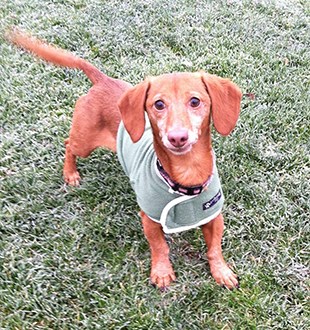
Best Emergency Vet Hospital? Why Wait Time Matters Most
In a real emergency, the 'best' vet hospital is the one that can see your dog soonest. Here's the call-around strategy I'd use if Heidi went down today.
Understanding and caring for dogs with neurological conditions - brain injuries, strokes, and recovery
In a real emergency, the 'best' vet hospital is the one that can see your dog soonest. Here's the call-around strategy I'd use if Heidi went down today.

Paralyzed dogs are highly prone to UTIs. Learn how to recognize symptoms, reduce infection risk, and manage UTIs in dogs with bladder dysfunction at home.
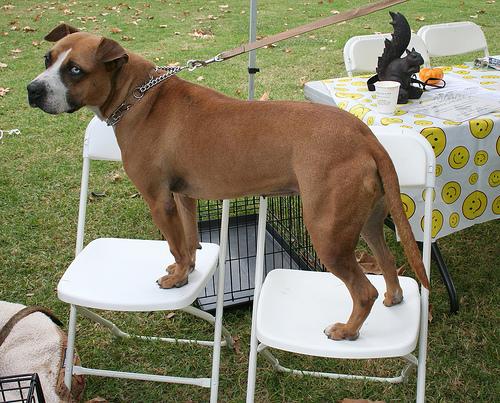
Learn what causes knuckling in dogs, how to protect your dog's paws from injury, and what caregivers can do at home to manage this common neurological symptom.
Pressure sores in paralyzed dogs can form in 24–48 hours. Here's what I've learned about prevention, daily skin checks, and when to call the vet.
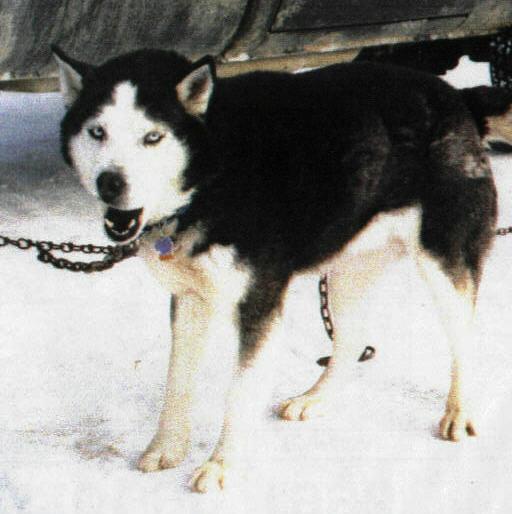
Spondylosis in dogs causes bony spurs along the spine — what pain signs actually look like, daily home care that helps, and when to call your vet.
How vets test deep pain in paralyzed dogs, what 'present' vs 'absent' means for recovery odds, and the 72-hour window that matters most.
What deep pain perception means for your dog's neurological diagnosis, how vets test for it, and what positive vs. negative results mean for recovery.
Manual bladder expression for paralyzed dogs: step-by-step technique, timing, what healthy urine looks like, and UTI warning signs every caregiver needs.
How to measure, fit, and introduce a wheelchair to a paralyzed dog — sizing mistakes to avoid, first-week sessions, and daily skin care that prevents sores.
Manual bladder expression every 4–6 hours, UTI warning signs to act on fast, and a daily bowel routine that actually works for paralyzed dogs.
Comprehensive guide to neurological conditions in dogs, including common disorders, symptoms, and treatment options.