Must Read

Best Emergency Vet Hospital? Why Wait Time Matters Most
In a real emergency, the 'best' vet hospital is the one that can see your dog soonest. Here's the call-around strategy I'd use if Heidi went down today.
Understanding and caring for dogs with neurological conditions - brain injuries, strokes, and recovery
In a real emergency, the 'best' vet hospital is the one that can see your dog soonest. Here's the call-around strategy I'd use if Heidi went down today.
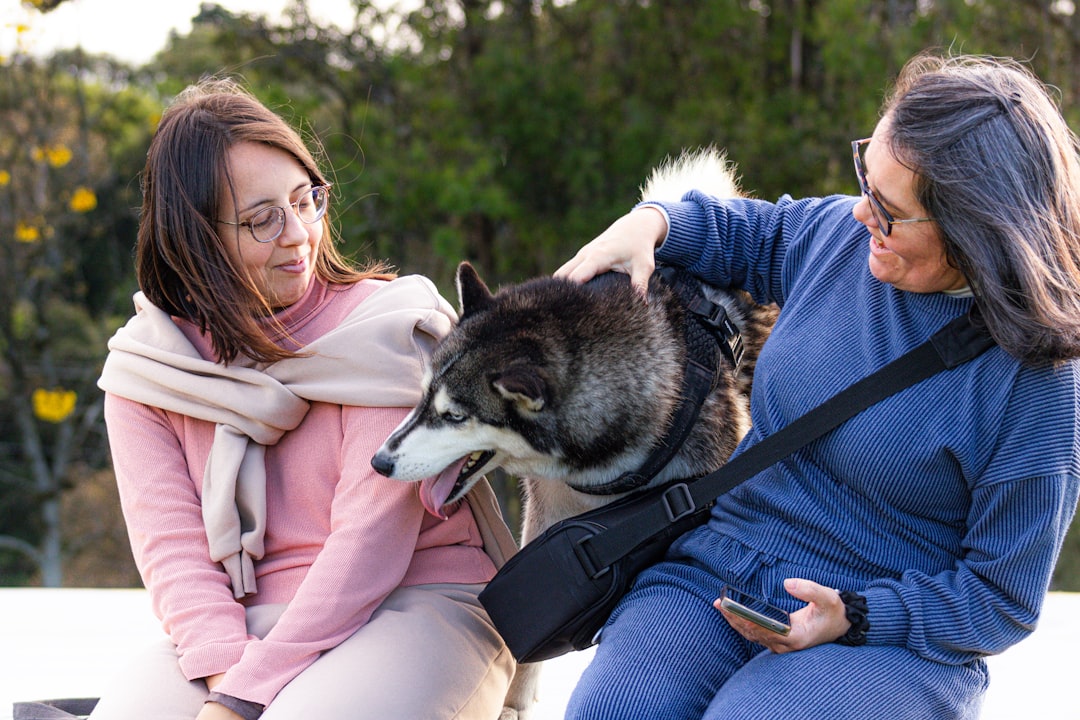
Your dog is suddenly wobbly and you need answers now. Here's how to tell if it's an emergency, what causes sudden wobbliness, and what to do in the next hour.

Your dog tilting, falling, and spinning suddenly is terrifying — but vestibular disease is often not a stroke. What the signs mean, and what recovery looks…

Not every vet has the tools to manage a neurological or mobility condition long-term. Here's how to know when a specialist changes everything — and when your…

Rapid hind-leg weakness spreading toward the head, triggered by a raccoon bite — coonhound paralysis is terrifying but survivable. What caregivers need to know.

From knuckling to partial paralysis, PEMF therapy keeps coming up in disabled dog circles. Here's what owners and rehab therapists actually say it does.

Wobbler syndrome causes a distinctive wobbly gait in dogs — here's what the signs look like, how it's managed, and what daily care actually involves.
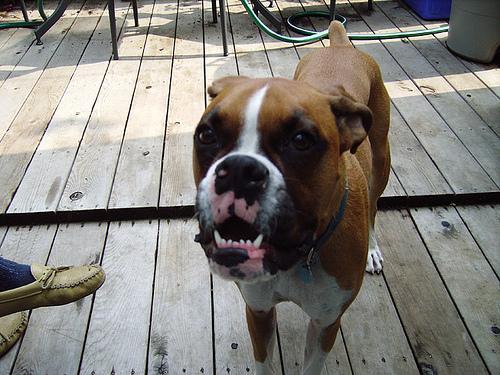
Many paralyzed dog owners ask about PEMF therapy. Here's what rehab specialists say, what owners observe, and what to realistically expect from treatment.
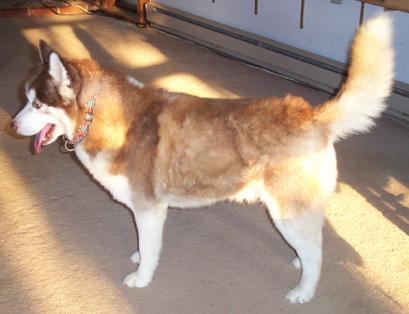
The first 5 minutes matter most — how to keep your dog safe during a seizure, what to log for the vet, and the signs that mean go to the ER.

Raspy breathing, heat intolerance, sudden crisis — what laryngeal paralysis looks like day to day and the home management steps that genuinely reduce risk.
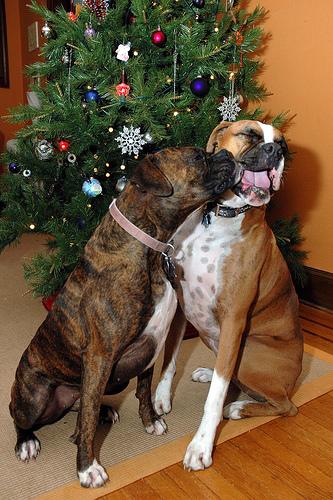
Learn how to use a mobility sling to safely support a paralyzed or weak dog — right technique, what to avoid, and when to move on to other aids.