Living With a Permanent Head Tilt
The vestibular episode passed, but the tilt stayed. What permanent head tilt in dogs actually means for daily life — and how dogs adjust better than you'd…
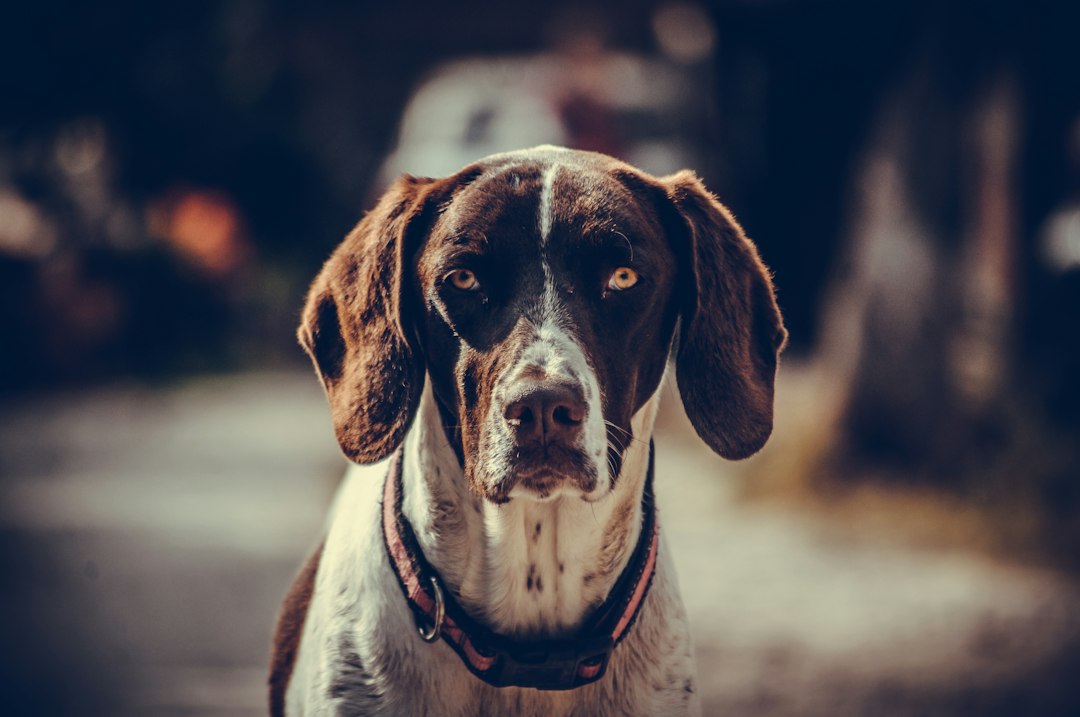
Photo by Juan Manuel Núñez Méndez on Unsplash
A dog who comes out of a vestibular episode with a permanent head tilt is not a dog who is still sick — the crisis is over, and what you’re looking at is a dog who adapted.
What Actually Happened to Your Dog’s Vestibular System?
The vestibular system is the body’s internal balance sensor — a structure in the inner ear that tells the brain which way is up. When that system is disrupted (by an ear infection, an idiopathic episode, or inner ear damage), the result is the dramatic spinning, falling, and eye flickering that panics most owners. As described by VCA Hospitals, vestibular disease can look so severe that owners often mistake it for a stroke — but the majority of dogs stabilize within 72 hours.
What causes a tilt to stay after everything else resolves? When the vestibular system recovers partially but not fully, the brain recalibrates around the asymmetry. The dog’s nervous system essentially learns to treat the tilted position as “level.” That recalibration is why dogs function so well despite the tilt — they have genuinely adapted, not just compensated temporarily.
The distinction between peripheral vestibular disease (inner ear) and central vestibular disease (brain) matters here. A permanent tilt after a peripheral episode is common and low-risk. A tilt that accompanies progressive neurological signs — worsening ataxia, facial nerve paralysis, new seizures — warrants a neurology workup to rule out a central cause. If you haven’t had that conversation with your vet yet, it’s worth having.
- Head tilt that is getting noticeably worse over days or weeks
- New facial asymmetry or drooping on one side
- Seizures starting after the vestibular episode resolved
- Loss of appetite or severe nausea persisting beyond two weeks
- A second sudden episode of spinning and falling
How Do Dogs Adapt to a Permanent Head Tilt?
Dogs adapt to a permanent head tilt through a process called vestibular compensation — the brain learns to interpret incoming signals from a mismatched inner ear by relying more heavily on vision and proprioception (the sense of body position) to stay balanced. This process is not instant, but it is remarkably effective in most dogs.
In the weeks after a vestibular episode, you’ll usually see a clear progression: nausea and vomiting resolve first, then the wild eye movements (nystagmus) settle, then balance improves, and finally the dog begins to move with real confidence again. The tilt is often the last thing to change — and in some dogs, it never changes at all. That’s okay.
From what I’ve seen and heard from other owners who’ve been through this, the dog adjusts far faster than the owner does. Owners spend months watching for the tilt to worsen, while the dog is already back to chasing squirrels.
What the Timeline Typically Looks Like
| Phase | Approximate Timing | What You’ll Notice |
|---|---|---|
| Acute episode | Days 1–3 | Spinning, falling, vomiting, nystagmus |
| Early recovery | Days 4–14 | Nausea fades, dog stands and walks (wobbly) |
| Active compensation | Weeks 2–8 | Balance improves, tilt may begin to lessen |
| Plateau | 2–3 months | Remaining tilt is likely permanent; function is normal |
 disableddogcare.com
Is There Anything That Helps the Tilt Improve?
Gentle, consistent movement helps the brain compensate faster than strict rest. This is actually one of the few situations in veterinary neurology where rest is not the prescription — controlled activity on varied surfaces, short walks on slightly uneven ground, and visual challenges (like stepping over small objects) all give the nervous system more data to work with. Many rehab veterinarians believe that encouraging dogs to move through their environment — rather than carrying them everywhere — supports faster vestibular compensation.
That said, the tilt that remains after three to four months is unlikely to resolve further. At that point, the goal shifts: you’re not waiting for the tilt to go away, you’re making sure your dog’s life is safe and full despite it.
- Short, frequent walks on varied surfaces rather than long flat walks
- Allow the dog to navigate at their own pace — resist carrying them everywhere
- Ensure good lighting so the dog can use vision to compensate
- Use non-slip surfaces at home, especially on stairs and near food and water bowls
- Keep follow-up vet appointments — a recheck at 4–6 weeks is reasonable
Making Your Home Safe for a Tilted Dog
A dog with a permanent head tilt often has subtle depth perception challenges, especially on stairs or near drop-offs. They may underestimate the edge of a couch or a step down from a porch. These adjustments are easy to make and genuinely matter in the first few months.
- Stairs: Baby gate stairs you can’t supervise. Dogs with a tilt are more likely to misjudge the first step down.
- Flooring: Slippery hardwood or tile amplifies any balance difficulty. A non-slip traction runner rug placed along hallways gives the dog a predictable, grippy path to walk.
- Food and water bowls: Raised bowls can help dogs who tilt significantly to one side — eating from a floor-level bowl while tilted can be awkward and slow.
- Sleeping surfaces: Low to the ground is safer than elevated beds during the compensation period.
- Outdoor terrain: Watch the dog closely on uneven ground, near pools, or at the edge of porches in the first couple of months.
Most of these adjustments become less necessary once full compensation sets in. Many dogs with a permanent head tilt go on to navigate completely normal homes without modification.
- Most tilted dogs eat, drink, play, and sleep normally
- They may spin or circle slightly in one direction when excited — this is typical
- Night vision may be slightly affected; a night light near sleeping areas can help early in compensation
- Other dogs in the household usually adjust to the visual change quickly
Should You See a Specialist?
If your vet has already confirmed a peripheral vestibular cause and your dog is otherwise neurologically normal, a specialist visit is not always necessary. But there are situations where a veterinary neurologist adds real value. An incomplete workup, a dog whose tilt is progressing rather than stable, or a dog with any of the warning signs listed above would all warrant a neurology referral. You can find a board-certified veterinary neurologist through the American College of Veterinary Internal Medicine, which maintains a searchable directory.
For dogs whose tilt follows a simple idiopathic vestibular episode (common in older dogs, often called “old dog vestibular disease”) with no other neurological signs, the prognosis is generally excellent and specialist involvement is often not needed.
Related Reading
- What Causes a Head Tilt in Dogs?
- The First 72 Hours of a Vestibular Episode
- Stroke or Vestibular Episode? Sorting Old-Dog Signs
Frequently Asked Questions
Will my dog’s permanent head tilt ever go away?
For some dogs, the tilt fades significantly over weeks to months. For others, it never fully resolves — but the dog adapts so well that it stops mattering. A mild persistent tilt after a vestibular episode is often cosmetic rather than a sign of ongoing disease.
Is a permanent head tilt painful for dogs?
The tilt itself is not considered painful. What can be uncomfortable in the early weeks is nausea and disorientation — but once the vestibular system compensates, most dogs show no signs of distress related to the tilt.
Can a dog with a permanent head tilt still run and play?
Yes. Most dogs with a permanent head tilt after a vestibular episode return to normal activity levels. They may misjudge depth on stairs or uneven terrain early in recovery, but with time many dogs run, play, and behave almost identically to how they did before.
When should I be worried about a head tilt that isn’t improving?
If the head tilt appeared suddenly alongside worsening neurological signs — such as new seizures, facial drooping, progressive weakness, or a second abrupt episode — see your vet promptly. A stable, unchanged tilt with an otherwise normal dog is generally not an emergency.
The tilted head that your dog carries everywhere now is not a wound that didn’t heal. It’s the mark of a nervous system that did exactly what it was designed to do — adapt, compensate, and keep going. Most owners eventually stop seeing the tilt at all. What they see instead is just their dog.
This guide is based on real experience and should be used alongside professional veterinary care. Always consult your veterinarian before starting any new treatment or making changes to your dog’s care plan.