Coonhound Paralysis in Dogs: Signs & Care
Rapid hind-leg weakness spreading toward the head, triggered by a raccoon bite — coonhound paralysis is terrifying but survivable. What caregivers need to know.
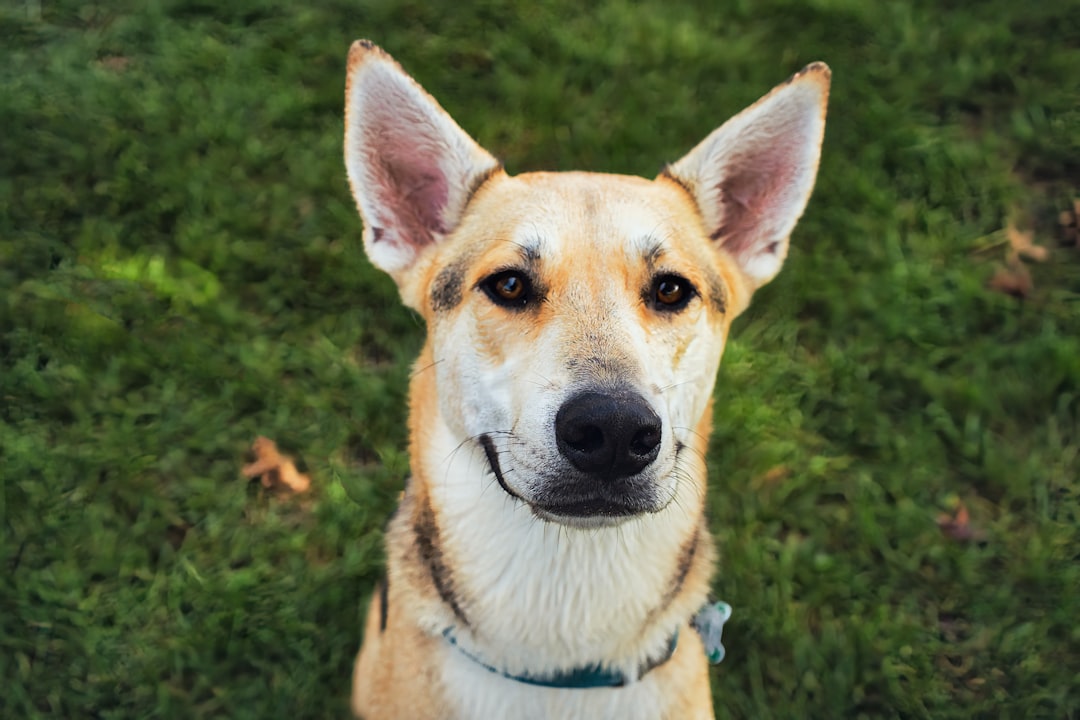
Photo by German Rivera De La Torre on Unsplash
When a dog goes from normal to completely paralyzed in under a week, most owners assume the worst — but coonhound paralysis is one of the few acute spinal-looking emergencies that carries a genuinely good prognosis if you know how to manage the recovery.
What Is Coonhound Paralysis, and Who Gets It?
Coonhound paralysis is an immune-mediated condition in which the dog’s own immune system attacks the nerve roots connecting the spinal cord to the muscles — a process veterinarians call acute canine polyradiculoneuritis (ACP). The body mistakes something it was exposed to (most famously, proteins in raccoon saliva) for a threat, and the inflammation that follows damages the insulating layer of nerve fibers.
Despite the name, any dog can develop this condition — not just coonhounds. The breed name stuck because working hunting dogs were disproportionately affected due to their frequent contact with raccoons. Today, cases are reported in dogs of all breeds and sizes.
The classic timeline is 7–14 days after a raccoon encounter: weakness starts in the back legs, spreads forward, and can reach the front legs, neck muscles, and in severe cases, the muscles controlling breathing. In many cases, no raccoon exposure is ever identified at all.
- Rapidly spreading leg weakness over days (not weeks)
- Change in bark tone or voice becoming weak/hoarse
- Labored or shallow breathing
- Difficulty swallowing or drooling more than usual
- Complete collapse of all four limbs
How Is It Different From IVDD or DM?
Coonhound paralysis, IVDD, and degenerative myelopathy all cause hind-leg weakness — but the mechanisms, timeline, and outlook differ significantly.
| Feature | Coonhound Paralysis | IVDD | Degenerative Myelopathy |
|---|---|---|---|
| Onset speed | Days | Hours to days | Months |
| Pain present? | Touch sensitivity, not sharp pain | Usually yes | No |
| Cause | Immune response | Disc herniation | Genetic nerve degeneration |
| Recovery possible? | Yes — most dogs recover | Often yes, grade-dependent | No — progressive |
| Progression direction | Hind to front legs | Localized to disc site | Hind to front legs |
 disableddogcare.com
One major distinguishing feature is touch sensitivity. Dogs with coonhound paralysis often become very uncomfortable when you handle their limbs — this is called hyperesthesia — while DM dogs typically feel nothing at all in their hindquarters. If you’re trying to sort out what you’re looking at, this article on IVDD vs Degenerative Myelopathy: Two Different Roads lays out the key differences in plain language.
Diagnosis is made by a neurologist based on clinical signs, history, and ruling out other causes. Nerve conduction studies can help confirm the pattern of nerve root involvement.
What Does Recovery Actually Look Like?
Recovery from coonhound paralysis is slow, and it almost always happens in reverse: the last muscles to stop working are typically the first ones to come back. So if the paralysis spread from hind legs to front legs, expect front leg function to improve first.
The recovery arc generally looks like this:
- Plateau phase (days 1–14): Weakness spreads, then stops getting worse. This is the most frightening phase because owners often don’t know if it will keep advancing.
- Stabilization (weeks 2–4): No new losses, but no obvious improvement yet. Nursing care is everything during this stretch.
- Early recovery (weeks 4–8): Voluntary movement starts returning — often a twitch, then a weak step.
- Functional recovery (months 2–6): Most dogs regain the ability to walk, though some muscle weakness and fatigue may persist.
Full recovery is common. In rare, severe cases where respiratory muscles were involved, recovery takes longer and may require hospitalization with oxygen support or mechanical ventilation.
- Reposition the dog every 2–4 hours to prevent pressure sores
- Keep skin dry — incontinence management is critical
- Passive range-of-motion exercises on all four limbs, twice daily
- Monitor breathing rate and effort every few hours in severe cases
- Maintain nutrition — hand-feeding or softened food if swallowing is affected
How Do I Prevent Pressure Sores and Muscle Loss?
Preventing secondary complications is the entire job of a caregiver during the plateau and early recovery phases. A dog who recovers neurologically but has developed deep pressure sores or severe muscle wasting faces a longer, harder road to walking.
Pressure sores form within hours on bony prominences — hips, elbows, hocks, and ribs — when a dog cannot shift its own weight. The pressure sores prevention and care guide covers this in detail, but the core principles are: thick, clean bedding; repositioning every 2–4 hours around the clock; and checking the skin at every turn for redness or early breakdown.
Muscle loss is addressed through passive range-of-motion exercises. You gently flex and extend each joint through its natural movement while the dog cannot do it voluntarily. This keeps joints from stiffening, maintains circulation, and preserves muscle tissue while the nerves recover. Most rehab therapists recommend two sessions daily, five to ten slow repetitions per joint.
Incontinence is nearly universal in dogs with coonhound paralysis. Bladder expression (manually emptying the bladder by applying gentle abdominal pressure) is often necessary several times a day. If you haven’t done this before, ask your vet to show you in person before you attempt it at home. Our step-by-step guide on bladder expression for paralyzed dogs walks through the technique.
A supportive, waterproof memory foam surface helps on all three fronts — the memory foam dog bed we use distributes weight more evenly than standard crate padding and holds up to repeated washing.
- Waterproof, washable bedding that you can actually launder daily
- A consistent repositioning schedule written on paper (it’s easy to lose track)
- Gentle passive exercises — watch a rehab therapist demonstrate before starting
- Nutritional support: calorie-dense food, hand-fed if needed
- Regular vet rechecks to track nerve recovery and catch UTIs early
When Should I Call the Vet During Recovery?
Most coonhound paralysis dogs are managed at home after the acute phase, but a few situations warrant immediate contact with your veterinarian.
Call your vet right away if you notice:
- Breathing changes: Faster rate, effort visible in the belly or nostrils, open-mouth breathing — this signals the respiratory muscles may be failing
- Sudden worsening after improvement: A setback can indicate a secondary infection or another condition developing
- Signs of UTI: Cloudy urine, strong odor, straining, blood — paralyzed dogs are at high UTI risk and need prompt treatment
- Pressure sores that are open or worsening: These can become deep tissue infections quickly
- Inability to swallow: Drooling, gagging, food coming back up — aspiration pneumonia is a real risk
The UTI prevention and care guide for paralyzed dogs is worth reading before you’re in the middle of one — catching it early makes a real difference.
- Breathing is labored, shallow, or has changed suddenly
- Dog cannot lift its head and was able to yesterday
- Gums are pale, gray, or bluish
- Dog appears to be in distress or is crying out repeatedly
Related Reading
- Pressure Sores in Paralyzed Dogs: Prevention & Care
- How to Manually Express Your Paralyzed Dog’s Bladder at Home
- IVDD vs Degenerative Myelopathy: Two Different Roads
Frequently Asked Questions
How long does coonhound paralysis last in dogs?
Most dogs begin recovering within 2–6 weeks of the paralysis peaking, though full recovery can take 2–6 months depending on severity. Dogs who lose the ability to breathe on their own may take longer. The condition is not permanent in the vast majority of cases.
Is coonhound paralysis painful for dogs?
Dogs with coonhound paralysis often become sensitive to touch, especially over the muscles and limbs — a symptom called hyperesthesia. While they are not in the kind of acute pain seen with disc disease, this touch sensitivity can make handling uncomfortable, so gentle and deliberate movements matter throughout recovery.
Can a dog get coonhound paralysis without a raccoon bite?
Yes. Despite the name, coonhound paralysis (polyradiculoneuritis) can be triggered by other exposures, and in many cases no specific trigger is ever identified. Raccoon bites are the classic trigger, but the immune reaction can occur in any dog breed, not just coonhounds.
How do you care for a dog with coonhound paralysis at home?
Home care centers on preventing pressure sores and muscle loss: turn the dog every 2–4 hours, keep bedding clean and dry, perform gentle passive range-of-motion exercises on the limbs, manage incontinence carefully, and watch for signs of breathing difficulty. Nutrition and hydration are critical since some dogs struggle to eat independently during the acute phase.
This guide is based on real experience and should be used alongside professional veterinary care. Always consult your veterinarian before starting any new treatment or making changes to your dog’s care plan.