Paralyzed Dog Bladder & Bowel Care: A Caregiver's Guide
Manual bladder expression every 4–6 hours, UTI warning signs to act on fast, and a daily bowel routine that actually works for paralyzed dogs.
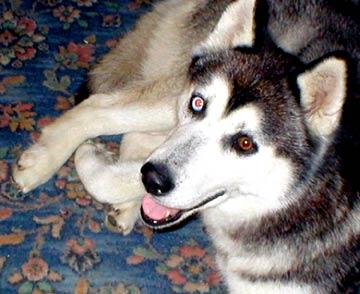
Learning to manage your paralyzed dog’s bladder and bowel is the steepest part of the learning curve, and once you get it, you will feel like a superhero.
When a dog first loses the use of their back legs, most vets hand caregivers a discharge sheet about “manual bladder expression” and send them home. Many owners report standing in the parking lot staring at that paper, unsure where to even begin. The first week is brutal for almost everyone: fear of hurting your dog, a dog who is uncomfortable and confused, and no certainty about whether you’re doing anything right.
If that sounds familiar, this guide is for you. I’m going to walk you through exactly what the technique involves, what the warning signs are, and how to build a routine you can actually sustain.
Why Bladder and Bowel Care Matters So Much
When a dog loses mobility — whether from IVDD (intervertebral disc disease), degenerative myelopathy, or another spinal condition — the nerves that control the bladder and bowel are often affected too. Your dog may not be able to feel when they need to go, or they may not be able to physically contract the muscles needed to empty.
A bladder that doesn’t empty properly isn’t just uncomfortable. It’s dangerous. Urine that sits too long becomes a breeding ground for bacteria, leading to urinary tract infections (UTIs), and in severe cases a UTI can travel to the kidneys and become life-threatening.
Bowel issues are less immediately dangerous but still need daily attention for your dog’s comfort and hygiene.
- Firm abdomen: The belly feels round, taut, or visibly distended between the hind legs
- Restlessness or whimpering: Your dog seems uncomfortable and can’t settle
- Only dribbles passing: Small leaks of urine rather than a full, steady void
- Urine changes: Cloudy appearance, dark color, or unusually strong smell
- Long gap since last void: More than 6–8 hours without urinating
Manual Bladder Expression: What It Is and How to Learn It
Manual expression means using gentle hand pressure on your dog’s lower abdomen to help push urine out of the bladder. It sounds intimidating, but most caregivers get the hang of it within a week.
Getting Properly Shown the First Time
Ask your vet or a vet tech to physically demonstrate this on your dog before you go home. Watch a video from a veterinary rehabilitation specialist if an in-person demo isn’t possible. The technique varies slightly depending on your dog’s size, and doing it wrong can cause injury or simply not work at all.
Watching someone do it once, on your actual dog, is worth more than any written description. If your regular vet doesn’t have time, ask to speak with a vet tech specifically. Most are very willing to walk you through it.
The Basic Technique
- Position your dog: Most people express the bladder with the dog standing (supported if needed) or lying on their side. Try both and see what your dog tolerates best.
- Locate the bladder: It sits low in the abdomen, roughly between the hind legs. It feels like a water balloon — soft when empty, firmer when full. In small dogs, it may be quite small and easy to miss when empty.
- Apply steady, gentle pressure: Cup both hands around the bladder and apply slow, even inward pressure. You’re not squeezing hard — think “firm hug,” not “squeeze a lemon.”
- Watch for urine flow: You should see a steady stream. If only dribbles come out, try adjusting your hand position slightly lower and forward.
- Express until the bladder feels soft: A properly emptied bladder should feel small and squishy, almost flat. If it still feels round after you’ve expressed, reposition and try again.
- Don’t force it: If you’re applying firm pressure and nothing is coming out, stop. Forcing expression against resistance can cause injury. Call your vet if this happens consistently.
How Often to Express
Most paralyzed dogs need bladder expression every 4–6 hours, including once overnight at first. As you get to know your dog’s patterns, you may be able to stretch the overnight gap slightly, but in the early weeks, err on the side of more frequent expression. Going longer than 8 hours is generally not recommended.
From what caregivers in the disabled dog community consistently describe, most people eventually settle into a schedule of four expression times per day: morning, midday, late afternoon, and before bed, with an overnight check as needed. The key is consistency, not perfection.
- Set phone alarms until expression times become second nature
- Keep a simple log for the first two weeks: time expressed, urine amount, any color changes
- Do it in the same spot each time — familiarity helps your dog relax
- Keep baby wipes and waterproof pads in your expression kit
- Ask your vet what a “normal” amount of urine looks like for your dog’s size — so you know when something seems off
How Do You Know If Your Dog Has a UTI?
Paralyzed dogs who need manual expression are significantly more prone to UTIs than healthy dogs, because the bladder is never perfectly emptied and bacteria have more opportunity to take hold. Catching a UTI early means a simple course of antibiotics; catching it late can mean hospitalization.
The most reliable early warning signs of a UTI in a paralyzed dog are cloudy or bloody urine, a sudden sharp change in ammonia smell, increased lethargy, and greater-than-usual discomfort or resistance during expression. Any one of these signs warrants a same-day vet call, not a wait-and-see approach.
Signs of a UTI in paralyzed dogs:
- Cloudy or bloody urine: Any pink tint or visible cloudiness needs a vet call that day
- Strong ammonia smell: Some odor is normal, but a sudden sharp change is a red flag
- Fever or lethargy: Your dog seems more tired than usual or feels warm to the touch
- Straining or discomfort during expression: Whimpering or tensing more than is typical for them
If you suspect a UTI, your vet will likely want a urine sample for a urinalysis and possibly a urine culture. Ask your vet’s office to show you how to catch a mid-stream sample at home — having this technique down means you’re ready the moment something looks off, rather than scrambling when your dog is already uncomfortable.
Many caregivers also give their dogs daily Cranberry Chews as a preventive measure, always in conversation with their vet, and ideally paired with a stool hardener to manage the mild digestive effects. This is not a substitute for good hygiene and regular expression, but many owners and vets consider it a reasonable addition to a prevention routine.
- You cannot express the bladder at all and it feels very firm
- Urine is visibly bloody or contains solid or unusual matter
- Your dog has a fever over 103°F (39.4°C) combined with bladder symptoms
- Your dog hasn’t urinated in more than 12 hours despite your best attempts
- Your dog suddenly becomes limp, unresponsive, or collapses
Bowel Care for Paralyzed Dogs
Bowel management is often more about consistency than technique. Most paralyzed dogs can still have bowel movements — they just may need help with positioning, timing, and a little encouragement from you.
What Helps
- Consistent feeding times: Same time every day leads to more predictable bowel movements. Feeding twice daily typically produces a movement roughly 30–60 minutes after each meal, though timing varies by dog and diet.
- Diet matters: Talk to your vet about fiber content. Too little and your dog gets constipated; too much and you’re dealing with loose stool constantly. Finding the right balance often takes a few weeks of trial and observation.
- Belly massage: Gentle circular massage on the abdomen, going clockwise (following the natural direction of the intestines), can help stimulate movement. Many caregivers build this into their morning expression routine.
- Positioning: Some dogs do better when their hindquarters are slightly elevated during a bowel movement attempt. A rolled towel under the hips can help. If your dog uses a sling or harness for support, use it here too.
- Warm compress: A warm (not hot) cloth placed on the lower abdomen for a few minutes before expression can sometimes help stimulate both bladder and bowel activity — a tip frequently shared by rehab therapists working with paralyzed dogs.
Constipation Warning Signs
If your dog hasn’t had a bowel movement in 48–72 hours, is straining without producing anything, or the abdomen feels hard and uncomfortable, call your vet. They may recommend a mild stool softener or other intervention. Don’t wait longer than 72 hours. Constipation in paralyzed dogs can escalate to a serious problem faster than you’d expect.
What About Accidents Between Expressions?
Leakage between scheduled expressions is common, especially in the early weeks. Some dogs dribble urine passively because the sphincter muscle has lost its tone — this is different from an overfull bladder and doesn’t necessarily mean you’re expressing too infrequently. Talk to your vet if passive leakage is significant; there are medications that can sometimes help improve sphincter tone. In the meantime, good absorbent bedding and a consistent hygiene routine are your best tools. For more detail on managing day-to-day incontinence, see the guide on caring for an incontinent dog at home.
Keeping Your Dog Clean and Comfortable
Hygiene in this context isn’t just about cleanliness. It’s about preventing painful skin infections and pressure sores, which can develop surprisingly quickly in dogs who spend time lying in damp areas.
- Waterproof bedding: Invest in washable waterproof pads. You’ll go through them daily at first. A dedicated set that can be washed and dried quickly makes life much easier.
- Barrier cream: A plain zinc-oxide cream or plain petroleum jelly applied to areas that stay damp helps prevent skin breakdown. Check the skin around the hind end, belly, and inner thighs every single day.
- Dog diapers or belly bands: These can help manage leakage between expressions but should never replace regular expression. Urine sitting against skin, even inside a diaper, causes sores fast. Change diapers frequently and do a skin check at every change.
- Daily skin checks: Look carefully at bony prominences (hips, ankles, spine) for any redness or raw spots. Early-stage pressure sores are easy to treat; advanced ones are not. See our guide on pressure sore prevention and treatment for paralyzed dogs for detailed guidance.
- A dedicated “expression station” with all supplies in one basket, ready to grab
- Switching to a high-quality waterproof mattress cover under the dog bed
- Keeping a second set of clean pads in the car for vet visits and outings
- Taking a photo of urine color on the pad weekly — makes it easier to spot gradual changes
- Celebrating every clean, successful expression — seriously, morale matters
What If Expression Isn’t Working?
Sometimes caregivers hit a wall where the bladder seems full but expression just isn’t producing much. Before assuming the worst, run through these troubleshooting steps.
Common Reasons Expression Stops Working Well
- Position change needed: Try standing vs. side-lying, or adjusting the angle of your hands
- Dog is tense: If your dog is anxious or in pain, the external urethral sphincter can tighten, making expression much harder. Give them a moment to calm down, try some gentle talking or petting, and try again
- Bladder is too full: A severely over-distended bladder can be harder to express because the muscle has stretched. This is a reason to never skip or delay expression for too long
- Possible UTI or inflammation: Pain from a UTI can cause the dog to tense and resist
If you consistently cannot empty the bladder despite good technique and a calm dog, this is a vet conversation. In some cases, a catheter may be needed temporarily, and in others, medication can help relax the urethral sphincter. Your vet and a veterinary rehabilitation specialist are the right people to troubleshoot this with you. Don’t struggle alone.
Do Paralyzed Dogs Ever Regain Bladder Control?
This is one of the most common questions caregivers ask, and the honest answer is: it depends on the underlying condition and the extent of nerve damage.
For dogs recovering from IVDD, bladder and bowel function often return as the spinal cord heals — though it can lag behind motor recovery by weeks. According to many veterinary rehabilitation specialists, return of deep pain sensation is generally the most important prognostic indicator: dogs who retain or regain deep pain perception have significantly better odds of regaining bladder control than those who don’t. For more on what that test means, see the guide on deep pain sensation and what it means for your dog’s recovery.
For dogs with progressive conditions like degenerative myelopathy, bladder and bowel control typically decline over time as the disease advances, rather than improving. In those cases, the goal is to keep the dog comfortable and prevent complications, not to work toward independence.
Whatever the underlying cause, continue consistent expression and work closely with your vet and, if possible, a certified canine rehabilitation therapist. They can assess nerve recovery and adjust your management plan as your dog’s condition evolves.
Related Reading
- How to Manually Express Your Paralyzed Dog’s Bladder at Home
- Pressure Sores in Paralyzed Dogs: Prevention & Care
- Urinary Tract Infections in Paralyzed Dogs
Frequently Asked Questions
How often should I manually express my paralyzed dog’s bladder?
Most paralyzed dogs need bladder expression every 4–6 hours, including at least once overnight in the early weeks. As you learn your dog’s patterns, you may be able to stretch overnight intervals slightly. Never go longer than 8 hours without attempting expression.
How do I know if my dog has a UTI?
The most common signs are cloudy or bloody urine, a sudden sharp ammonia smell, lethargy or fever, and increased discomfort during expression. Paralyzed dogs are significantly more prone to UTIs than healthy dogs, so any change in urine color, odor, or consistency warrants a same-day vet call.
What does a properly emptied bladder feel like?
A properly emptied bladder should feel small, soft, and squishy — almost flat. A full or partially full bladder feels like a firm, round water balloon sitting low in the abdomen between the hind legs. With practice, most caregivers can reliably tell the difference within a few weeks.
My dog hasn’t had a bowel movement in two days — what should I do?
If your dog hasn’t had a bowel movement in 48–72 hours, or is straining without producing anything, call your vet. They may recommend a mild stool softener, a dietary adjustment, or a physical exam to rule out an obstruction. Don’t wait longer than 72 hours — constipation in paralyzed dogs can become painful quickly.
This part of caregiving is genuinely hard, and it’s okay to admit that. The routine asks a lot of you, and there will be mornings when it feels like too much. But caregivers in this community consistently describe the same turning point: somewhere around week two or three, the fear fades, the technique clicks, and your dog starts to trust the process. The work you’re doing every single day is what gives your dog comfort and quality of life. That matters more than you know. You’ve got this.
This guide is based on real experience and should be used alongside professional veterinary care. Always consult your veterinarian before starting any new treatment or making changes to your dog’s care plan.