Must Read

Best Emergency Vet Hospital? Why Wait Time Matters Most
In a real emergency, the 'best' vet hospital is the one that can see your dog soonest. Here's the call-around strategy I'd use if Heidi went down today.
Understanding and caring for dogs with neurological conditions - brain injuries, strokes, and recovery
In a real emergency, the 'best' vet hospital is the one that can see your dog soonest. Here's the call-around strategy I'd use if Heidi went down today.

The vestibular episode passed, but the tilt stayed. What permanent head tilt in dogs actually means for daily life — and how dogs adjust better than you'd…

Your dog collapsed, recovered, and now you're trying to name what happened. Here's how to tell a stroke from a seizure — and what to do next.

Dog trembling vs. seizing — owners often can't tell in the moment. Here's how to spot the difference, what each looks like, and when to call the vet.

Your senior dog is suddenly tilting, stumbling, or falling. Is it a stroke or vestibular disease? The signs overlap — here's how to tell them apart and what to…
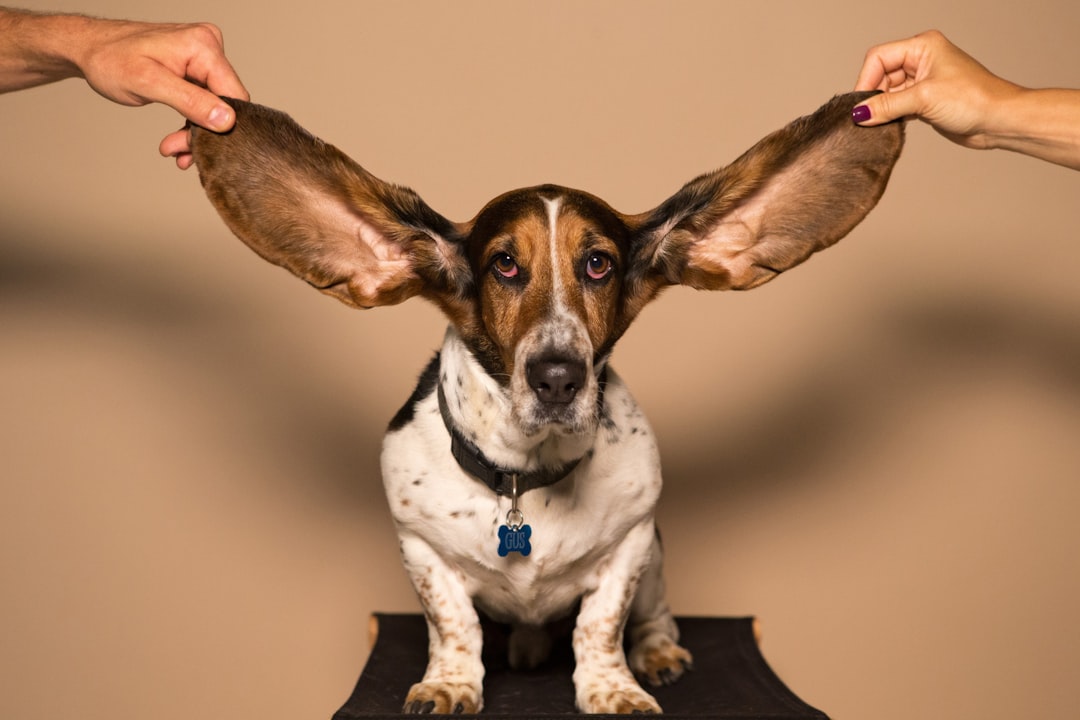
A dog head tilt can mean anything from an ear infection to a brain lesion. Here's how to read the signs, what vets look for, and when to act fast.
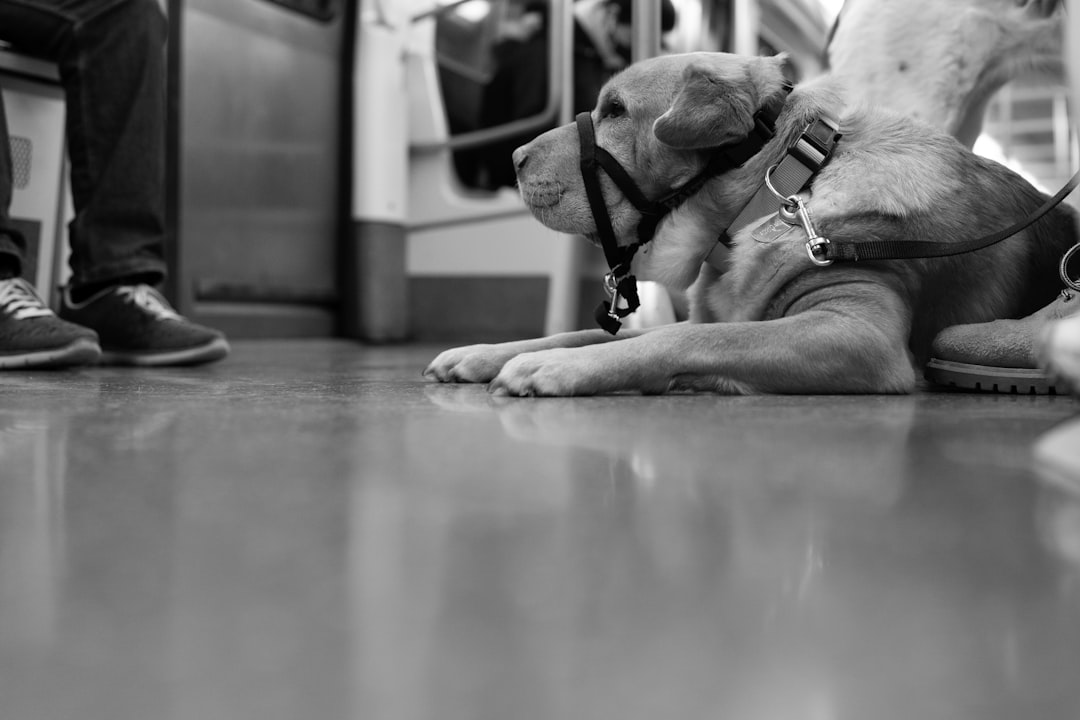
Your dog is spinning, falling, and can't stand — and it's 2am. Old-dog vestibular disease looks catastrophic and usually isn't. Here's what to do right now.

FCE recovery unfolds week by week — and knowing what to expect makes the difference between panic and progress. What caregivers wish they'd known from day one.
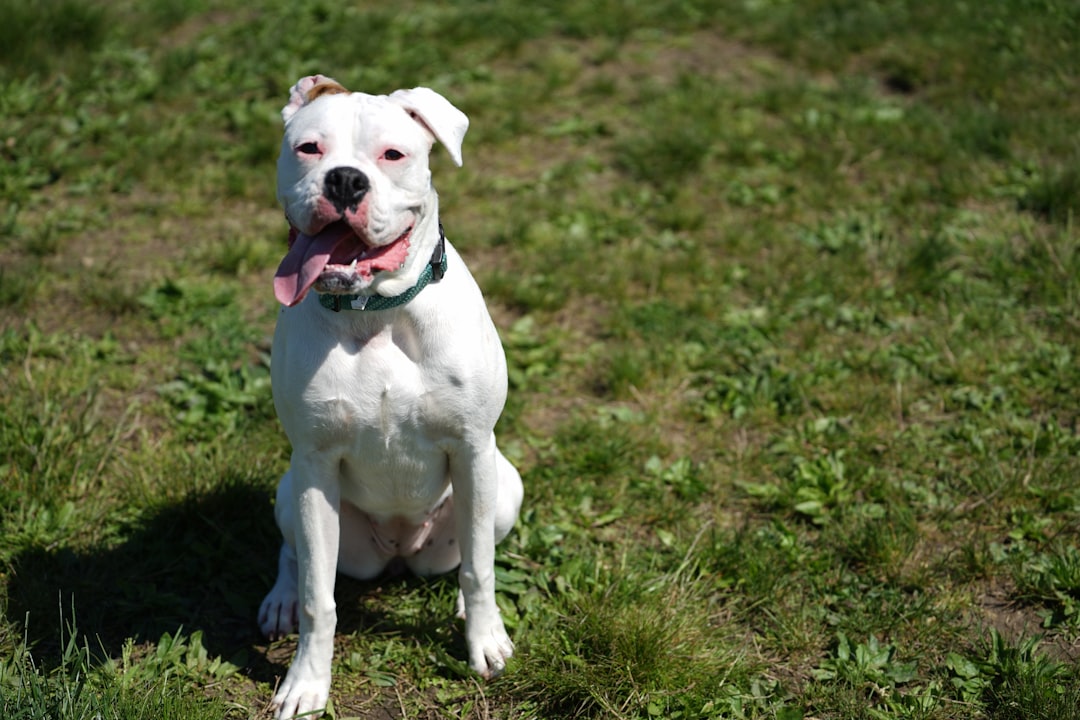
Sudden head tilt and stumbling — is it a stroke or vestibular disease? What caregivers need to know about canine stroke signs, MRI diagnosis, and what recovery…
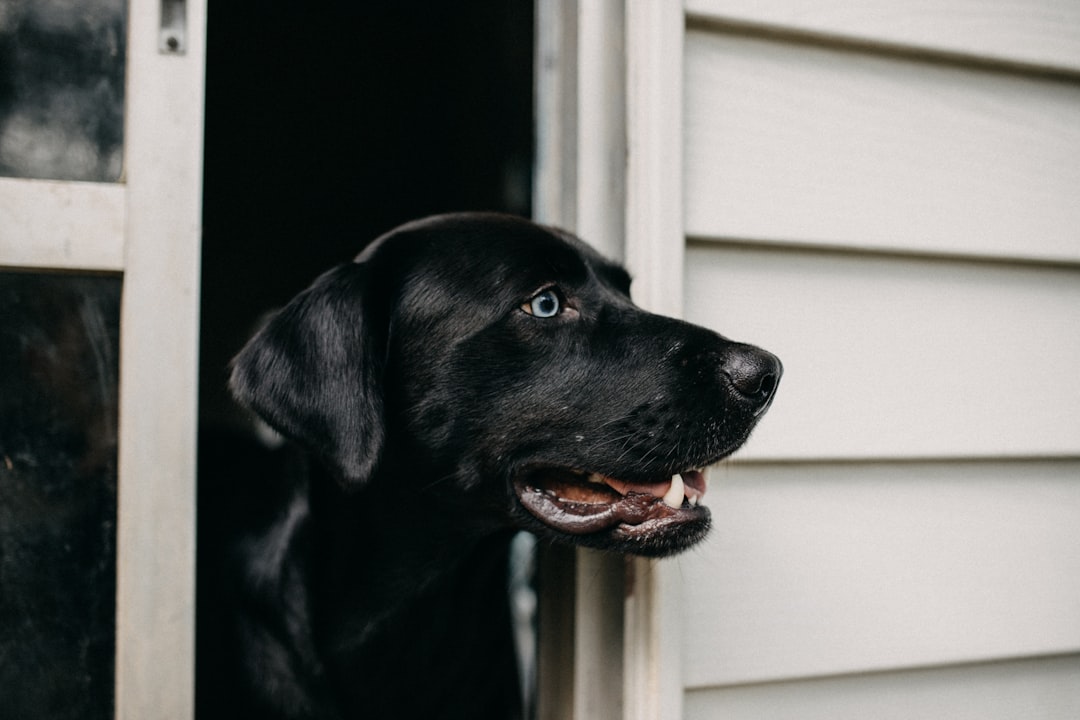
Your dog was fine one minute, then suddenly couldn't use their legs. FCE does that. Here's what the diagnosis means, what to expect, and what actually helps…

Your dog is wobbling, staggering, or can't keep their balance — here's what ataxia means, the three types, common causes, and when to go to the vet now.