Your Dog's IVDD Neurologist Visit: What Actually Happens
First neuro appointment for your IVDD dog? What happens room-by-room — the exam, imaging decision, costs, and questions to ask before you leave.
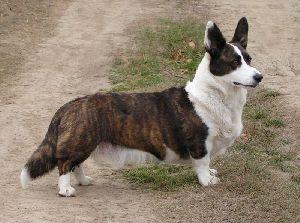
Walking into a dog neurologist’s office for the first time is one of the most overwhelming moments in an IVDD diagnosis — knowing what to expect makes it a little less terrifying.
How Does the Referral Process Work?
When your primary vet refers you to a neurologist, it usually means they’ve seen signs that point to spinal cord involvement and want specialist-level evaluation — most GP vets don’t have the training or equipment to definitively stage IVDD or read an MRI. The referral can come from your regular vet after a physical exam, or from an emergency vet who stabilized your dog overnight.
Your regular vet will typically send records ahead of the appointment. It’s worth calling the neurology clinic the day before to confirm they have everything — missing records slow things down, and in an acute IVDD case, time matters.
Some neurologists have waitlists of several weeks for routine consultations. If your dog is having trouble walking or has lost bladder control, tell the scheduler that clearly — most neurology practices will triage urgent cases and fit them in sooner, sometimes the same day.
- Your dog cannot walk or is dragging hind legs
- Bladder or bowel control has been lost
- Your dog has gone from mild stiffness to paralysis within 24–48 hours
- Your vet mentions the words “deep pain sensation” or “Grade 4/5”
What Happens in the Exam Room?
The neurological exam is the heart of the appointment, and it’s more thorough than anything you’ve seen at a regular vet visit. The neurologist will start by asking you detailed questions: when did symptoms start, how quickly did they progress, any previous episodes, current medications, and whether there were any obvious triggers like jumping or rough play.
After the history, the hands-on exam begins. Here’s what the neurologist is actually testing:
- Gait and posture: Your dog is walked or helped to walk in the exam room so the neurologist can watch for ataxia (wobbly, uncoordinated movement), knuckling, or weakness in any limb.
- Postural reactions: The neurologist flips each paw upside down (called the proprioception test) and watches how quickly your dog corrects it. A dog with spinal cord compression is slow to respond or doesn’t respond at all.
- Spinal reflexes: With your dog lying on their side, the neurologist taps specific tendons to check whether reflexes are normal, exaggerated, or absent. The pattern of reflexes helps pinpoint which part of the spine is affected.
- Pain localization: Gentle pressure is applied along the spine to find areas of discomfort. This helps narrow down the disc location even before imaging.
- Deep pain sensation: This is the most critical test in a severe case. The neurologist firmly squeezes the bone of a toe — not the skin — and watches for a conscious response (turning the head, vocalizing). Absence of deep pain sensation in a hind limb is a serious finding that changes the urgency of the treatment decision. There’s a full breakdown of what this test means at Deep Pain Sensation in IVDD: The Test That Predicts Recovery.
All of these findings together allow the neurologist to assign an IVDD grade from 1 to 5. If you’re not familiar with the staging system, The 5 IVDD Stages Explained is worth reading before your appointment so you understand what the numbers mean.
The Imaging Decision: MRI, CT, or Both?
Once the exam is complete, the neurologist will almost certainly recommend imaging to confirm the disc location, the severity of spinal cord compression, and whether surgery is an option. Understanding the difference between imaging types helps you ask smarter questions.
An MRI shows the softest tissues, including the spinal cord itself and any bruising or swelling within it. A CT scan is faster, less expensive, and excellent at showing calcified (hardened) disc material — which is common in the chondrodystrophic breeds like Dachshunds and Corgis. Many neurologists will recommend one or the other based on your dog’s breed, age, and clinical grade, though some use both.
Both require general anesthesia, which adds to the cost and adds a small risk — especially for very young, very old, or brachycephalic (flat-faced) dogs. The anesthesia risk is real, but in an acute, severe IVDD case, the risk of waiting is almost always greater.
For a detailed breakdown of what each imaging type shows, the article on IVDD Imaging Explained: MRI vs CT vs Myelogram vs X-Ray covers all of it.
- Your dog will likely need to fast before anesthesia — confirm the fasting window when you book
- Imaging is sometimes scheduled the same day as the consultation, sometimes the next morning
- You leave your dog at the hospital for several hours; most facilities call you when they’re waking up
- Some facilities let you view the images with the neurologist after; others review by phone
What Does an IVDD Neurologist Visit Cost?
Cost is one of the questions owners are most afraid to ask, and then most surprised by. Being prepared financially before you walk in helps you make decisions without panic.
Here’s a realistic breakdown of what to expect, though costs vary significantly by region and facility:
- Neurology consultation: typically $200–$500
- MRI under anesthesia: typically $1,500–$3,000
- CT scan under anesthesia: typically $800–$1,500
- Total for consultation plus imaging: commonly $2,000–$4,000
These figures don’t include surgery if it’s recommended, which is a separate and significant cost. There’s a full honest breakdown of surgery costs at IVDD Surgery Cost: What We Actually Paid for Heidi.
Many neurology practices accept CareCredit or similar medical financing. Ask about payment plans when you call to book — the billing staff at neurology clinics deal with this question every single day, and there’s no shame in asking.
- Ask for an itemized estimate before imaging begins — you can consent to the consult first and decide on imaging separately
- Check if your dog’s insurance covers specialist visits and advanced imaging (if you have it)
- Ask whether a CT is sufficient for your dog’s case — it’s typically less expensive than MRI
- Some university veterinary teaching hospitals offer specialist consultations at lower rates
What Questions Should I Bring?
A neurologist appointment moves fast, and it’s easy to walk out realizing you forgot to ask the most important things. Write these down and hand the list to the neurologist at the start of the visit.
- What grade is my dog right now, and what does that mean for recovery odds?
- Which imaging do you recommend, and why that type over the alternative?
- If we do surgery, what is the realistic recovery timeline for this grade?
- If we choose conservative management, what are the criteria for switching to surgery?
- Is deep pain sensation present, and what does the answer mean for our options?
- How quickly do we need to decide — is there a window where surgery is no longer beneficial?
- What does post-surgical care look like, and can we manage it at home?
- Are there any red flags during crate rest that should bring us back immediately?
If you’re already weighing surgery versus conservative care, the detailed comparison at IVDD Surgery vs. Conservative Care: How to Decide can help you go into that conversation more prepared.
How Quickly Do You Need to Decide?
This depends entirely on your dog’s grade. For Grade 1 or 2 cases (pain, mild weakness, no paralysis), you typically have time to go home, absorb the information, review the imaging with the neurologist by phone, and make a thoughtful decision.
For Grade 4 or 5 cases — where your dog has lost the ability to walk or has lost deep pain sensation — the neurologist will likely frame this as an urgent decision. The general principle, widely recognized in veterinary neurology, is that the longer severe spinal cord compression goes undecompressed, the lower the odds of meaningful recovery. Most neurologists will give you a window of hours to a couple of days, not weeks.
If your dog is in that severe category, it helps to have already thought through the surgery decision before the appointment — not to lock yourself in, but so the conversation doesn’t catch you completely off guard. The most personal account I can share of that decision is at Surgery or Euthanasia: How We Made the Hardest Decision of Heidi’s Life.
- Loss of deep pain sensation in any limb
- Complete paralysis that developed within 24–48 hours
- Neurologist mentions the phrase “surgical window”
- Rapid deterioration between the time you noticed symptoms and the appointment
Related Reading
- The 5 IVDD Stages Explained: Symptoms & Recovery Odds
- IVDD Imaging Explained: MRI vs CT vs Myelogram vs X-Ray
- IVDD Surgery: 12 Questions to Ask Your Vet First
Frequently Asked Questions
What does a neurologist actually do at an IVDD appointment?
The neurologist performs a hands-on neurological exam that tests reflexes, muscle tone, coordination, and deep pain sensation in your dog’s limbs. They use these findings to assign a grade (1–5) that guides the treatment decision. Imaging like an MRI or CT scan is usually recommended the same day or shortly after if surgery is being considered.
Should I bring anything to the neurologist appointment?
Bring all previous vet records, any X-rays already taken, a written list of your dog’s symptoms with dates they first appeared, a list of current medications and doses, and your written questions. A short phone video of your dog walking or showing symptoms at home can also be very helpful — the dog often looks better in the clinic than at home.
How long does the neurologist appointment take?
The initial consultation typically takes one to two hours. If imaging is scheduled the same day, plan to leave your dog there for several hours since MRI and CT require general anesthesia. Some facilities have you drop off in the morning and pick up in the afternoon.
Do I have to decide about surgery at the first appointment?
Not necessarily, though if your dog is severely affected or has lost deep pain sensation, the neurologist will likely recommend moving quickly. For mild to moderate cases, you usually have time to go home, review the imaging results by phone, and decide within a day or two. Ask the neurologist directly what the urgency window is for your dog’s specific grade.
Walking out of a neurology appointment with a plan — even a scary one — is better than walking in blind. You’re already doing the right thing by preparing. Whatever that neurologist tells you, you’ll be ready to ask the hard questions and make the best decision for your dog.
This guide is based on real experience and should be used alongside professional veterinary care. Always consult your veterinarian before starting any new treatment or making changes to your dog’s care plan.