Working From Home With an IVDD Dog
Caring for a recovering IVDD dog while keeping your job running is brutal — here's the real routine I built around crate schedules, Zoom calls, and bladder…
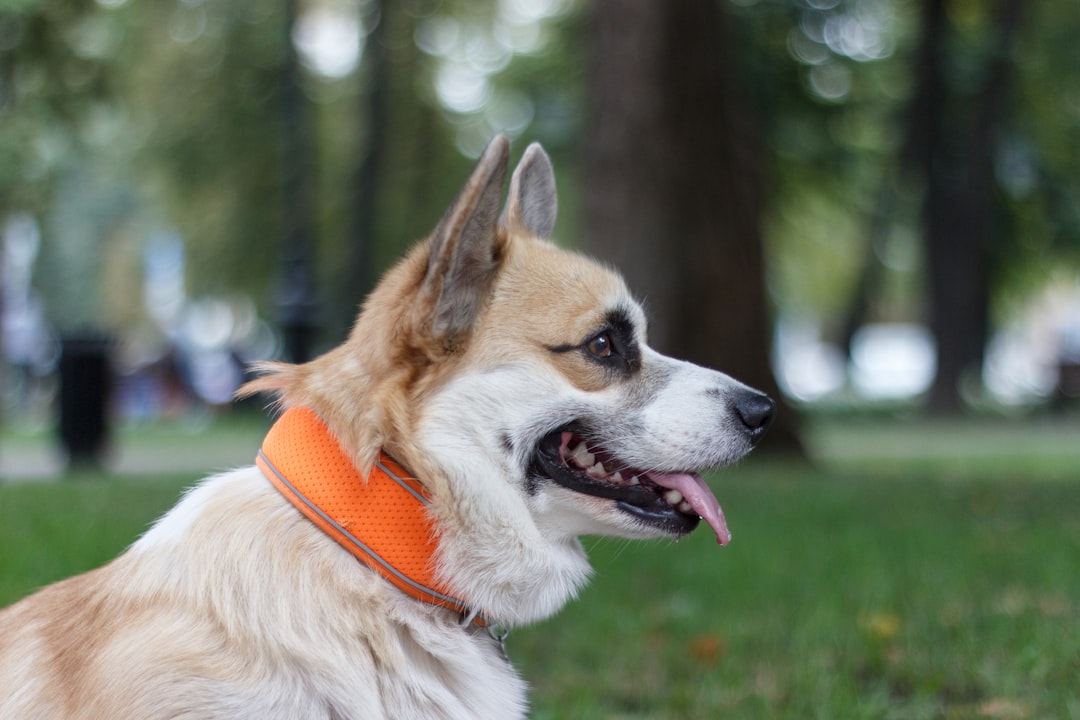
Photo by Roman Fadeev on Unsplash
Working from home while your dog is recovering from IVDD is one of the most disorienting experiences of the whole ordeal — and nobody warns you about it.
When Heidi came home from her IVDD surgery, I had a full client deadline the next morning. I remember sitting at my laptop, headphones on, trying to type while she whimpered from her crate two feet away. I cried into my coffee. I missed the deadline. And then I figured out a system — because I had to.
This is that system.
Setting Up Your Workspace Around the Crate
Move your work to your dog, not the other way around. During strict crate rest, your dog should not be moving around to find you, and you should not be running across the house every time you hear a sound.
I set up a folding table next to Heidi’s crate in our living room for the first two weeks. It was not ergonomically ideal. It worked perfectly. Being able to glance over and confirm she was resting — rather than wondering from another room — cut my anxiety in half.
A few things that made the workspace setup actually functional:
- Crate placement: Position the crate where you can see it from your desk without turning your whole body. Peripheral visibility is enough to catch anything alarming.
- Noise management: A white noise machine near (not inside) the crate can reduce the number of external sounds that trigger whimpering, which reduces your interruptions.
- Extension cord: Run power to wherever the crate lives so you’re not cabling across the house.
- Camera backup: A cheap pet camera pointed at the crate gives you a second set of eyes during the hours when you have to fully concentrate. I used mine mainly during video calls when I couldn’t glance over.
The medium dog cage Heidi used during crate rest was sized to fit comfortably in a corner of the living room without dominating the room — worth thinking about when you’re choosing crate size and location.
Building Your Workday Around a Care Schedule
A recovering IVDD dog on crate rest needs care at predictable intervals — typically every 4–6 hours for bladder expression, plus medication times your vet prescribes. These are not flexible. The good news is that fixed intervals map surprisingly well onto a standard workday if you treat them like blocked meetings.
Here is roughly what my weekday looked like during Heidi’s recovery:
- 7:00 AM — Morning care block: express, medicate, brief supervised stretch (as cleared by vet), back to crate
- 8:00–12:00 — Focused work, periodic visual check-ins
- 12:00 PM — Midday care block: express, check incision, reposition in crate
- 12:30–4:30 PM — Focused work
- 4:30 PM — Afternoon care block: express, medicate (if second dose), brief contact time
- Evening — More flexible
That midday break is the one most WFH owners underestimate. You need a full 15–20 minutes, not five. Rushing bladder expression leads to incomplete emptying, which leads to UTIs. The bladder expression guide on this site walks through the technique — if you’re still learning it, give yourself even more time at each break.
- Block care times as recurring calendar events so coworkers see you as unavailable, not unreliable
- Label them “medical appointment” — you don’t owe more detail than that
- Stack medication doses with expression breaks whenever your vet allows it, to reduce total interruptions
How Do You Handle Meetings During Care Breaks?
Schedule around your care blocks wherever you have control, and communicate briefly when you don’t. Most managers respond well to “I have a 6-week medical situation that requires set break times” — that framing is accurate, professional, and asks for nothing unreasonable.
For the meetings you can’t move, here is what actually works:
- Flag conflicts in advance: If a meeting lands on your midday care block, reach out the day before. “I have a medical appointment from 12:00–12:20 — can we start at 12:30 or I can join late?” is completely reasonable.
- Mute and step away briefly: For long meetings where a short expression break overlaps, it is often possible to mute, turn off camera for 10 minutes, and step away. Most calls have enough back-and-forth that a brief absence goes unnoticed.
- Have a backup plan for urgent situations: Know who can cover for you if your dog has a medical moment during something you cannot leave. A text to a trusted coworker — “heads up, I may need to drop suddenly today” — goes a long way.
What About the Dog-Interrupts-the-Zoom Moment?
It happens. Heidi whimpered loudly during a client call in week two of her recovery. I unmuted, said “I’m so sorry — I have a dog recovering from spinal surgery and she needs a moment,” and then muted again. The client responded with “Oh no, how is she doing?” The call went fine.
Most people are kind about this. The ones who are not were probably going to be difficult anyway.
A few things that reduce the frequency of Zoom interruptions:
- Time your care breaks before calls, not after. Express, medicate, and settle her down 10 minutes before a meeting starts.
- Cover the crate partially with a blanket if visual stimulation (people walking past, movement on your screen) triggers noise.
- Use a fan or white noise during calls to muffle ambient whimpers from your end.
That said, some days the dog whimpers and there is nothing to be done about it. You are caregiving and working simultaneously. That is hard. You are allowed to say so.
- Delaying bladder expression by more than an hour past schedule increases UTI risk in incontinent IVDD dogs
- A full bladder is uncomfortable and can cause agitation that disrupts your work more than the break would have
- If you consistently cannot make scheduled care breaks, it is time to bring in help — a midday pet sitter or neighbor
What About the Guilt?
The guilt is the part nobody talks about in the IVDD recovery guides. You are three feet away from your dog, staring at a spreadsheet, while she is confused and uncomfortable in a crate. It feels wrong.
Here is what helped me reframe it: the crate is the medicine. The rest is the treatment. A dog lying still in a crate while her owner works nearby is not being neglected — she is healing. Your presence matters even when you are not actively engaged with her.
The guilt gets worse, not better, if you burn yourself out trying to be both perfect employee and perfect caregiver simultaneously. I wrote more about IVDD caregiver burnout in a separate piece because it genuinely deserves its own conversation. The short version: build the schedule, stick to the schedule, and let yourself work during work time without apologizing for it.
- Remind yourself that proximity counts — she knows you’re there
- Use care breaks as real breaks for you too: step away from the screen, breathe
- Keep a short log of care completed — it’s concrete evidence that you are doing the job
- Accept that some days work suffers and some days care suffers — that is not failure, it is caregiving
When You Need More Help Than You Have
If your dog requires care more frequently than your workday allows — say, every 2–3 hours post-op, or if she is particularly distressed in the crate — working from home alone is not enough. That is not a personal failure. It is a logistics problem.
Options that other IVDD owners use during the acute phase:
- A midday pet sitter: Even one visit at noon takes the pressure off the hardest stretch of the day.
- A trusted neighbor or family member: Someone who can do the midday expression check on days when your schedule is impossible.
- Rotating shifts with a partner: If you have a partner who also works from home, a split shift can mean one person handles the heavy early morning care while the other covers the afternoon.
- Short-term FMLA or PTO: In the US, a few days of leave during the most acute post-op phase is worth considering if your job allows it. The first week of IVDD recovery is genuinely the hardest, and getting through it with more support reduces the chaos for the remaining five weeks.
- Your dog is crying continuously despite scheduled care — she may be in pain, not just boredom
- You are consistently missing scheduled expression by more than an hour
- You notice signs of a UTI: straining, blood in urine, strong odor — contact your vet same day
- You have not slept more than a few hours in several days — caregiver collapse affects your dog’s care quality
Related Reading
- IVDD Crate Rest: A Survival Guide
- IVDD Caregiver Burnout Is Real: Coping With the Hard Weeks
- Getting Your IVDD Dog to the Bathroom Post-Op
Working from home with an IVDD dog recovering in a crate beside your desk is exhausting, tender, and — if you let it be — oddly meaningful. Some of my clearest memories of Heidi’s recovery are the quiet hours when she slept and I typed and we were just in the room together. You will get through this stretch. The schedule helps more than almost anything else, and the guilt fades as she gets better.
This guide is based on real experience and should be used alongside professional veterinary care. Always consult your veterinarian before starting any new treatment or making changes to your dog’s care plan.
Frequently Asked Questions
How often does an IVDD dog need bladder expression during a workday?
Most dogs on crate rest need expressing every 4–6 hours, though your vet will give you a specific schedule based on your dog’s condition. For many owners, that means morning, midday, and late afternoon breaks — which maps reasonably onto a standard workday if you plan ahead.
Can I leave my IVDD dog alone while I work from home?
Short stretches of 2–3 hours in a properly set-up crate are generally fine during strict crate rest, but you should not leave an incontinent or newly post-op dog alone for a full workday. Build in check-ins every few hours, and consider a dog sitter or pet camera for peace of mind on heavy meeting days.
What do I tell my employer or coworkers about my dog’s medical situation?
You don’t owe anyone a detailed explanation, but a brief heads-up that you have a medically fragile pet requiring scheduled care breaks prevents confusion. Most managers respond better to “I have a 6-week medical situation with set break times” than to unexplained interruptions.
What’s the best way to set up my workspace during IVDD crate rest?
Put your desk or laptop within sight of the crate — close enough to monitor your dog without being so close that every whimper pulls you out of focus. A yoga mat or folding table near the crate works if your office setup isn’t flexible.