When to Get a Wheelchair for an IVDD Dog
Heidi's IVDD taught me the right wheelchair timing matters. Here's how to read the signs, pick the right cart, and get your paralyzed dog moving again.
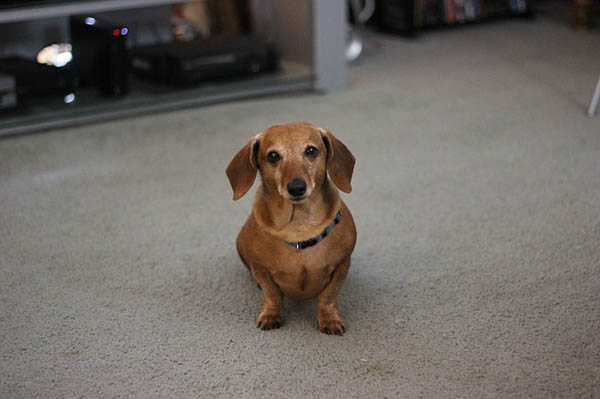
If your IVDD dog can’t reliably walk on their own, a wheelchair isn’t giving up — it’s giving them their life back.
I remember agonizing over this question for weeks. Heidi had been through her IVDD diagnosis, we’d done conservative management, and she was making some progress, but her back legs still weren’t dependable. I kept waiting for the “right” moment to try a cart, worried it meant I was accepting defeat. What I eventually figured out: there is no perfect moment, and the sooner I got her moving, the happier she was.
If you’re asking yourself whether it’s time for a wheelchair, this guide is for you.
What Does IVDD Actually Do to a Dog’s Legs?
IVDD (intervertebral disc disease) happens when the cushioning discs between the vertebrae in your dog’s spine rupture or bulge and press on the spinal cord. Depending on how much compression there is and where it occurs, a dog can lose some or all function in their rear legs — ranging from mild wobbliness to complete paralysis.
The severity is typically described in grades:
- Grade 1–2: Pain and some stiffness, but walking is intact
- Grade 3: Weak, wobbly rear legs — they walk, but stumble or knuckle over
- Grade 4: Rear leg paralysis, but your dog can still feel deep pain (a meaningful sign for recovery potential)
- Grade 5: Rear paralysis with no deep pain sensation, the most serious presentation
According to VCA Hospitals, Grade 4 and 5 dogs often benefit most from assistive devices like wheelchairs, though even Grade 3 dogs can use them to stay active while healing.
Wheelchairs are most relevant for Grades 3–5. But within that range, when you introduce the cart really matters. If you’re not sure which grade applies to your dog, our guide to the 5 IVDD stages walks through each one with symptoms and what to expect.
- Rear legs are paralyzed or too weak to bear weight consistently
- Your dog is dragging their back feet and developing sores or calluses
- They’re frustrated — whining, trying to move, unable to follow you around the house
- Conservative management or post-surgery recovery has plateaued
- It’s been 4+ weeks without meaningful improvement in rear leg function
How Do I Know If It’s Actually Time?
Most owners wait longer than they should — and an IVDD dog who isn’t moving is losing muscle, developing pressure sores, and losing confidence faster than most people realize. The general guideline: if your dog has been unable to walk reliably for more than 3–4 weeks and your vet hasn’t told you to hold off on mobility aids, it’s worth a serious conversation about a cart.
This is the question I see in every IVDD community, and the honest answer is: sooner than most of us think.
I kept waiting and hoping Heidi would “just start walking again.” Sometimes that does happen. But while you’re waiting, your dog is dragging themselves around, scraping their paws, losing muscle — and this part hit me hard — losing confidence. Heidi went from a dog who bounced around our kitchen to one who stopped trying to follow me anywhere. Getting her into a cart broke that pattern.
Here are the situations where I’d move even faster than the 3–4 week mark:
- Paw dragging that’s causing wounds: If your dog is scraping their knuckles raw trying to scoot, a cart protects them from injury and infection before serious damage sets in.
- A highly active dog: High-energy dogs who suddenly can’t move struggle mentally. The cart gives them an outlet before frustration turns into withdrawal.
- Grade 5 dogs: When deep pain perception is absent, neurological recovery is uncertain. A wheelchair lets your dog live fully right now, regardless of what happens later. Our IVDD Stage 4 care guide covers this in depth.
- Visible muscle wasting: If you can see or feel the rear muscles shrinking, your dog needs movement. A cart provides the kind of active engagement that passive range-of-motion exercises alone can’t fully replace.
- Pressure sores on hips, hocks, or paws from repeated dragging
- Noticeable muscle wasting in the rear legs from disuse
- Behavioral changes like withdrawal, appetite loss, or sudden irritability from frustration
- Recurring UTIs from incomplete bladder emptying related to reduced movement
Choosing the Right Wheelchair for an IVDD Dog
Not all carts are equal, and a bad fit causes more problems than no cart at all. Here’s what to look for:
- Rear-support design: For IVDD dogs with rear paralysis, you need a rear wheelchair — one that supports the hindquarters while leaving the front legs free to propel forward.
- Adjustability: Dogs’ needs change during recovery. A cart with adjustable height, width, and length lets you adapt as your dog progresses or as their body changes.
- Ring vs. saddle support: Some carts use a ring sling under the belly; others use a more structured saddle. Dogs with limited trunk control often do better with a saddle design that provides more lateral support.
- Wheel size: Larger wheels handle outdoor terrain better. If your dog will mainly use the cart indoors, smaller wheels are fine and easier to maneuver.
- Weight: The cart should be light enough that your dog isn’t exhausted just hauling it around the yard.
Brands Worth Looking At
From my experience with Heidi and from what I hear consistently in IVDD communities, Walkin’ Wheels and Eddie’s Wheels are the two most recommended brands. Walkin’ Wheels are more affordable and adjustable, making them a good starter cart for families who aren’t sure how long they’ll need one. Eddie’s Wheels are custom-built to your dog’s exact measurements, which some dogs — especially those with unusual proportions — respond to much better.
The LetPetRun 4-Wheel Adjustable Dog Wheelchair is another option worth knowing about; it spreads weight across all four wheels rather than putting the full load on the front legs, which can make a real difference for dogs with any front-leg weakness alongside their rear deficit.
- Measure your dog while standing (or propped in a natural standing position)
- You need: height at hips, width at hips, length from hips to where front legs begin
- When in doubt, contact the manufacturer — most have sizing support teams
- Have a towel or sling ready for early sessions to help your dog balance while they adjust
Is There Ever a Reason to Wait on a Wheelchair?
In most cases, earlier is better — but there are a handful of situations where your vet may recommend holding off.
During the acute phase of IVDD (the first few days after a disc event), the spine is inflamed and your dog is often on strict crate rest. Introducing a cart before inflammation has settled can be counterproductive and, in some cases, uncomfortable. Your vet or rehab specialist will tell you when your dog is stable enough for active mobility work.
If your dog is a Grade 3 who is actively regaining function week over week, your rehab vet may prefer to focus on physical therapy first and use the cart as a supplement rather than a primary tool. That’s a reasonable call — the key is that “waiting” in that context is an active strategy with a clear timeline, not indefinite postponement out of hope.
The situations where waiting is clearly not the right call: when your dog is dragging and developing wounds, when weeks have passed without progress, or when your dog’s mental state is visibly declining from immobility. In those situations, a wheelchair is the more compassionate choice.
What to Expect When You First Introduce the Cart
The first session will probably not go well. I say that kindly, because I want you to be prepared rather than devastated.
Heidi stood frozen the first time I put her in the cart. Then she tried to back out of it. Then she flopped sideways. This is completely normal — the cart is a strange, unfamiliar thing strapped to their body, and most dogs need several sessions before it starts to feel like freedom instead of a constraint.
Here’s what worked for us:
- Keep first sessions to 5 minutes max. Literally set a timer and stop, even if things seem to be going okay. Ending on a good note matters more than duration at first.
- Use high-value treats — cheese, chicken, whatever your dog loses their mind over — to lure them forward one step at a time.
- Go outside if you can: new smells and familiar territory motivate dogs to move in ways that a living room doesn’t. The first time Heidi moved purposefully in the cart, it was in the backyard chasing a scent trail.
- Don’t force it. If your dog is truly panicking, take a break and come back the next day. Negative experiences early make the adjustment longer.
Most dogs make a visible shift somewhere between day 3 and day 10. One day, something clicks, and they start going. Watching that happen is one of the best moments in this whole difficult journey.
- New sores or skin breakdown where the cart makes contact
- Your dog cannot support any weight through their front legs while in the cart
- Sudden regression — a dog who was improving starts getting worse
- Signs of pain when being placed in or removed from the cart
Building a Daily Routine Around the Wheelchair
Once your dog is comfortable, the goal is structured daily use — not all-day wear. Wheelchairs are exercise and enrichment tools, not permanent prosthetics. Most dogs do well with 2–3 sessions per day, starting at 10–15 minutes each and building toward 20–30 minutes as they build stamina.
Take it outside. Let them sniff. Let them explore. For a dog who’s been grounded by IVDD, that freedom is genuinely profound to watch.
Continue any physical therapy your vet or rehab specialist has recommended alongside the cart. The two complement each other. Passive range-of-motion exercises, hydrotherapy, and massage all support neurological recovery whether or not your dog ever walks independently again — and using a cart doesn’t interfere with any of those therapies.
One practical note: check the contact points after every session, especially early on. The saddle or ring sling, the belly area, and anywhere straps make contact are all spots where pressure sores can develop quietly, particularly in dogs who have reduced sensation. A quick visual check takes 30 seconds and catches problems before they become serious.
Related Reading
- IVDD Stage 4 Care Guide for Paralyzed Dogs
- The 5 IVDD Stages Explained
- IVDD Surgery vs. Conservative Care: How to Make the Right Call
There’s a moment that every IVDD caregiver talks about: the first time their dog runs in their cart. Not shuffles, not walks — runs. If you’re not there yet, I promise that moment is worth working toward. The wheelchair isn’t the end of something. It’s the start of a different chapter, and for so many dogs, it’s a genuinely good one.
This guide is based on real experience and should be used alongside professional veterinary care. Always consult your veterinarian before starting any new treatment or making changes to your dog’s care plan.
Frequently Asked Questions
Can a dog with IVDD use a wheelchair long-term?
Yes, absolutely. Some IVDD dogs regain the ability to walk over time, while others rely on their cart permanently. Either way, a wheelchair gives your dog freedom, exercise, and a real quality of life.
Will using a wheelchair stop my dog from recovering the ability to walk?
No — this is a common fear, but it’s unfounded. Wheelchairs don’t prevent neurological recovery. In fact, keeping your dog moving supports circulation and muscle health during the recovery window.
What if my dog hates the wheelchair at first?
Most dogs resist the cart for the first few sessions — that’s completely normal. Short, positive sessions with treats and praise go a long way. Give it at least two weeks before deciding it isn’t working.
How do I know if the wheelchair fits correctly?
Your dog’s hips should sit level in the saddle, the rear wheels should align just behind the hips, and your dog should be able to touch the ground with their front feet without straining forward. A cart that’s too long or too short causes sores and frustration.