IVDD Surgery: 12 Questions to Ask Your Vet First
Before you sign the consent form, ask these 12 questions. What I wish I'd known before Heidi's IVDD surgery — surgeon experience, risks, and real outcomes.
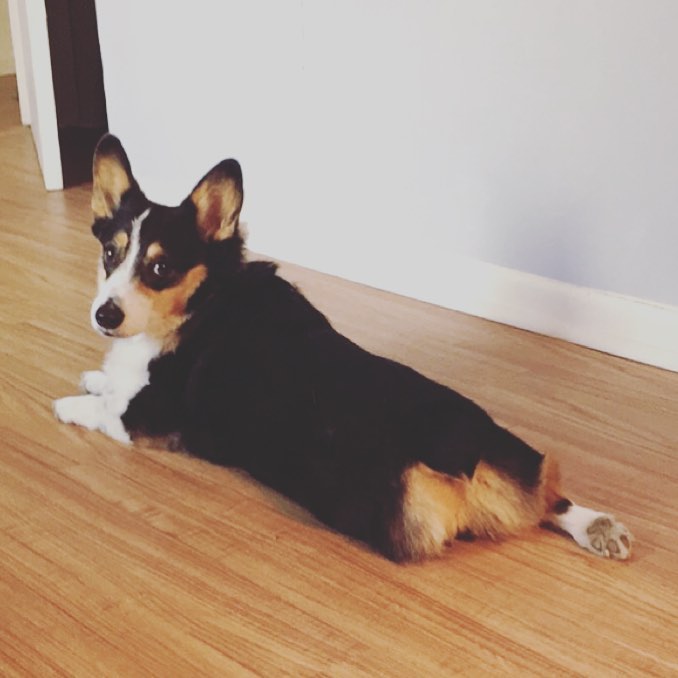
Walking into a surgical consultation scared and overwhelmed is normal, but walking out without the answers you need isn’t okay.
When Heidi was diagnosed with IVDD and surgery was on the table, I felt like I was drinking from a fire hose. There was so much information, so much emotion, and a clock ticking in the background. I wish someone had handed me a list of questions to ask before I signed anything. So that’s what this is: the questions I’d ask now, knowing what I know.
This isn’t about second-guessing your vet. It’s about making sure you have the information you need to make a truly informed decision for your dog.
- If your dog has suddenly lost the ability to walk or has lost deep pain sensation (no response to a firm toe squeeze), this is a time-sensitive emergency
- Don’t let this checklist delay emergency care — ask these questions in parallel, not instead of acting
- See IVDD Emergency Signs: When to Rush Your Dog to the Vet if you’re unsure whether you need to move now
What Should I Ask About the Surgeon’s Experience?
Not every vet who performs spinal surgery does it at the same volume or with the same outcomes. This isn’t about being rude. It’s about advocating for your dog. Here’s what to ask:
- Who will actually perform the surgery? Sometimes the specialist you’re consulting with delegates to a resident or associate. You have every right to know who is holding the scalpel.
- How many IVDD surgeries do you perform per year? There’s no magic number, but a board-certified veterinary neurologist or surgeon who does this frequently is generally preferable to a general practitioner who does it occasionally.
- Are you board-certified in veterinary neurology or surgery? These are the two primary specialties that handle IVDD surgery. You can verify credentials through the American College of Veterinary Internal Medicine (Neurology) or the American College of Veterinary Surgeons.
- Do you have experience with my dog’s breed? Dachshunds, for example, have specific anatomy that affects both the surgery and the recovery. Breed matters.
What Are the Real Risks and What Does Success Actually Look Like?
This is the section where I’d push the hardest. Vague reassurances like “we expect a good outcome” aren’t enough.
- What does “success” mean in my dog’s specific case? For a Stage 4 dog, success might mean regaining some walking ability, not necessarily full function. For a Stage 2 dog, success might mean complete recovery. Make sure you understand the realistic ceiling.
- What are the possible complications from this surgery? Spinal surgery carries real risks: infection, seroma (a pocket of fluid under the skin), worsening of neurological status (called “myelomalacia,” progressive spinal cord death), and anesthesia complications. Ask your vet to walk through each one specifically.
- What percentage of dogs with my dog’s presentation regain the ability to walk? Ask about outcomes for dogs at the same neurological stage as yours, not the best-case general statistic. According to VCA Hospitals, dogs who still have deep pain perception generally have significantly better surgical outcomes than those who have lost it.
- What happens if we don’t do surgery, or if we wait? This is critical. For some stages, time genuinely matters. For others, there may be more flexibility to weigh options. Your vet should be able to explain the tradeoff honestly.
- IVDD is graded on a scale of 1–5 based on neurological function
- The stage affects surgical urgency, expected outcomes, and whether conservative management is even an option
- Read The 5 IVDD Stages Explained before your consult so you can ask stage-specific questions
Questions About the Procedure Itself
- What type of surgery is being recommended, and why? The two most common procedures for IVDD are hemilaminectomy (removing part of the vertebra to relieve spinal cord pressure) and ventral slot (used for cervical/neck disc disease). Make sure you understand which one is proposed and why it’s the right choice for your dog’s disc location.
- Will you do imaging first, and what kind? An MRI is the gold standard for confirming disc location before surgery. A CT scan is also commonly used. If your vet is proposing surgery without advanced imaging, ask why.
- What does post-surgical care look like, and is it something I can manage at home? The answer to this shapes your whole life for the next several weeks. You’ll likely be doing crate rest, assisted bladder expression if your dog can’t urinate on their own, sling-assisted walking, and wound monitoring. Our Crate Rest for IVDD Dogs guide covers what that actually looks like day to day.
- Write down your questions before the appointment — bring this list with you
- Ask for the consultation to be recorded (or take notes) so you can review later
- Request copies of all imaging and reports — you’re entitled to them
- Consider asking for a 24–48 hour window to make your decision unless it’s a true emergency
Questions About Cost and What Comes After
I wrote a full breakdown of what we paid for Heidi’s IVDD surgery, because cost is real and nobody talks about it enough. But here are the specific questions to ask upfront:
- What is the full estimated cost, including imaging, hospitalization, and follow-up? Ask for an itemized estimate. Surprises after surgery are the worst kind of surprises.
- What does rehabilitation look like after surgery? Many dogs benefit significantly from hydrotherapy or physiotherapy after IVDD surgery. Ask whether your surgeon recommends it and whether they can refer you.
- What are the signs of post-surgical complications I should watch for at home? You need a specific list, not just “call us if something seems wrong.” Things like sudden return of pain, inability to urinate, wound discharge, or fever should prompt an immediate call.
The Help ‘Em Up Harness we used during Heidi’s recovery is worth asking your surgeon about too. Having the right support harness before you bring your dog home makes the first days considerably less stressful.
- Surgeon can’t or won’t tell you how many IVDD surgeries they’ve performed
- No advanced imaging (MRI or CT) is being proposed before surgery
- You’re being pressured to consent immediately without time to ask questions (unless it is a genuine neurological emergency)
- No discussion of conservative management as an alternative, even briefly
It’s Okay to Ask for Time — Within Reason
Unless your dog has lost deep pain sensation (in which case timing genuinely matters), most surgeons will give you a window to process and decide. You’re not being difficult by asking questions. You’re being a good caregiver.
And if something doesn’t feel right, a second opinion from another board-certified veterinary neurologist is always reasonable. Many will do phone or telemedicine consultations based on your imaging files if you can’t travel.
The goal of every question on this list is the same: to walk out of that consultation understanding what is happening to your dog, what the plan is, and what you’re agreeing to. You deserve that clarity, and so does your dog.
Related Reading
- IVDD Surgery vs. Conservative Management: How to Make the Right Call
- IVDD Surgery Recovery: A Week-by-Week Timeline
- IVDD Stage 4 & 5: Care Guide for Paralyzed Dogs
- Surgery or Euthanasia: How We Made the Hardest Decision of Heidi’s Life
- If you’re in crisis mode right now, our IVDD specialist finder lets you locate a board-certified neurologist or 24/7 emergency hospital in your state — fast.
Frequently Asked Questions
How do I know if my dog really needs IVDD surgery?
Surgery is most commonly recommended for dogs at IVDD Stage 3, 4, or 5, meaning significant weakness, paralysis, or loss of deep pain sensation. Your vet should explain what stage your dog is at and why surgery is being recommended over conservative management. If you’re unsure, it’s completely reasonable to ask for a second opinion.
What is deep pain perception and why does it matter for surgery decisions?
Deep pain perception (DPP) is the ability to feel a painful stimulus in the limbs. It’s tested by firmly squeezing a toe and watching for a conscious response. A dog that has lost DPP is in a more serious neurological state, and surgery timing becomes more urgent. Many surgeons consider loss of DPP a reason to operate as quickly as possible.
How soon after diagnosis does IVDD surgery need to happen?
Timing depends heavily on your dog’s neurological status. For dogs who have lost deep pain perception, many neurologists recommend surgery within 24–48 hours if possible, as outcomes may worsen with delay. For dogs who still have some function, there may be more flexibility. Your surgeon will give you guidance based on your dog’s specific presentation.
What happens if I choose conservative management instead of surgery?
Conservative management, strict crate rest combined with anti-inflammatory medication, is a legitimate option for dogs at lower IVDD stages (typically 1–3). It does require weeks of strict rest and close monitoring. You can read more about what that involves in the conservative management guide on this site.
This guide is based on real experience and should be used alongside professional veterinary care. Always consult your veterinarian before starting any new treatment or making changes to your dog’s care plan.