Understanding Your IVDD Dog's Full Medication Schedule
Discharged with 4+ IVDD meds and terrified of making a mistake? Here's how to build a realistic schedule, time meals around doses, and never miss a refill.
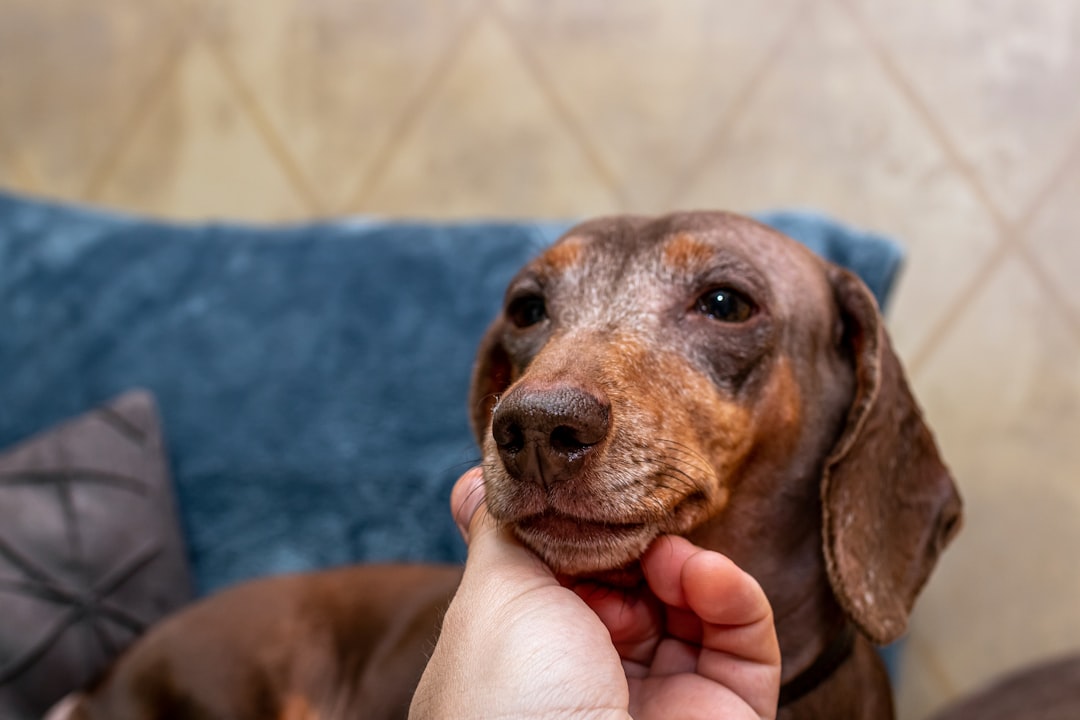
Photo by Artem Beliaikin on Unsplash
Coming home from the vet with a bag full of prescriptions is one of the most overwhelming moments in early IVDD caregiving — and the fear of making a dosing mistake on top of everything else is completely real.
When Heidi came home after her IVDD crisis, I counted six separate medications on the discharge sheet. I stood in the kitchen rereading the instructions three times, convinced I was going to poison her by giving the wrong thing at the wrong time. If that sounds familiar, this guide is for you.
Why Do IVDD Dogs Need So Many Medications?
IVDD dogs are often prescribed multiple medications at once because the condition attacks the body on several fronts simultaneously. Inflammation compresses the spinal cord, nerves fire in pain, muscles spasm to protect the area, and the dog is terrified and in agony — all at the same time. A single drug cannot address all of that.
Here is what the typical IVDD discharge medication stack looks like and why each piece exists:
- Prednisone or another steroid: Reduces spinal cord inflammation rapidly. Often prescribed short-term and tapered. See the full breakdown in our prednisone guide.
- Gabapentin: Targets neuropathic (nerve) pain that standard pain relievers miss. It also has mild sedative effects that help during crate rest. Our gabapentin article covers what to expect.
- Methocarbamol (Robaxin): A muscle relaxant that reduces painful spasms along the spine. Dogs on crate rest often need this to keep still without fighting their own muscles.
- Trazodone or another sedative: Keeps anxious dogs calm enough to actually rest during the critical recovery window. Without real rest, conservative management can fail.
- Sucralfate or omeprazole (stomach protectant): Steroids are hard on the GI tract. A stomach protectant is frequently added to prevent ulcers, nausea, or bloody stool.
- An NSAID (like meloxicam): Sometimes prescribed instead of steroids, or sequentially after the steroid course ends, for continued pain and inflammation control.
The overlap is intentional. Each drug handles a piece of the problem that the others cannot. For a full plain-language breakdown of what each medication does, the IVDD medications overview is a good companion to this guide.
- Never stop prednisone or any steroid abruptly — it must be tapered down gradually per your vet’s instructions
- Never combine a steroid (prednisone) with an NSAID (meloxicam) — the combination increases the risk of serious GI bleeding
- If you are unsure which category a medication falls into, call your vet before giving it
How Do I Build a Workable Medication Schedule?
The most practical approach is to anchor every dose to something your dog already does: eating and sleeping. Most IVDD medications are given two or three times daily, which maps cleanly onto breakfast, dinner, and sometimes a midday or bedtime dose.
Here is a simple framework to build from:
Step 1 — List every medication with its frequency. Write out drug name, dose, and how many times per day side by side. Your discharge sheet should have this.
Step 2 — Identify meal-sensitive drugs first. Steroids and NSAIDs should always be given with food. Anchor those to breakfast and dinner immediately.
Step 3 — Slot in the remaining medications. Gabapentin and methocarbamol can usually go alongside the meal-based drugs, which keeps the total number of “medication moments” in your day as low as possible.
Step 4 — Handle the odd-timed doses separately. Some drugs are prescribed every eight hours rather than twice daily. If gabapentin is three times a day, the middle dose often works best at midday or early afternoon — set a phone alarm.
Step 5 — Write the finalized schedule out and post it somewhere visible. The fridge door, the medication drawer, or next to the crate. Paper is your friend here.
A sample two-dog-meal schedule might look like this:
| Time | Medications |
|---|---|
| 7 AM (breakfast) | Prednisone, gabapentin, sucralfate |
| 1 PM | Gabapentin (if three times daily) |
| 6 PM (dinner) | Methocarbamol, gabapentin, sucralfate |
| 9 PM (bedtime) | Trazodone |
 disableddogcare.com
Yours will look different depending on what your dog was prescribed — this is just the pattern. The principle is the same: cluster around meals, minimize standalone alarm times.
- Give stomach-sensitive drugs (steroids, NSAIDs) in the middle of a meal, not on an empty stomach
- A small amount of food with any pill helps palatability — a pill pocket, peanut butter, or a piece of cheese works
- If your dog is nauseous and not eating, call your vet before skipping a dose — some medications need to be held, others need a stomach protectant added
Tracking Tools That Actually Work
The goal of a tracking system is not just to remember to give the medication — it is to know with certainty that you already gave it. Caregiver exhaustion is real, and “did I give that already?” is a dangerous question when you are running on four hours of sleep.
Printed paper tracker: A simple grid with date, time, and a checkbox for each drug. Tape it to the fridge. Check the box the moment you give the medication — not when you think you will. This is still the most reliable system I know.
Pill organizer: Sort each day’s pills into a seven-day organizer by time slot (AM/midday/PM). If the compartment is empty, the dose was given. Simple visual confirmation.
Phone alarms: Set a recurring alarm for every dose time, labeled with the drug name. Do not dismiss the alarm until the medication is in your dog’s mouth.
Medisafe app: A free medication tracking app (designed for humans but works for pets) that lets you log each dose as you give it and sends reminders. Several IVDD caregivers I have spoken with use this successfully.
Google Calendar: Create recurring events with medication names. Mark each as “done” when given. Easy to share with a partner or family member who shares caregiving duties.
Pick one system. Do not try to run two simultaneously — that is how errors happen.
What to Do When You Miss a Dose
Missing a dose happens, especially in the early days when the schedule is new and you are exhausted. The general rule for most IVDD medications is straightforward: give the missed dose as soon as you remember, unless the next scheduled dose is within approximately half the dosing interval. In that case, skip the missed dose and continue normally. Never double up.
Practical examples:
- Gabapentin every eight hours, last dose was nine hours ago: Give it now, then reset the eight-hour clock from that point.
- Prednisone once daily, you remember at 10 PM: Give it now unless your dog is about to sleep and you would be waking them up unnecessarily — use your judgment and ask your vet if unsure.
- Trazodone (as-needed or nightly): If your dog is already settled for the night, it is generally fine to skip one dose and resume the next night.
When in doubt, call your vet’s office. Most clinics have a nurse line or will return a quick call within the day for a question this specific.
- Count remaining pills every Sunday — note any prescription running below a 10-day supply
- Call for refills at least five to seven business days before you run out
- Ask your vet at discharge whether any medications will need a recheck appointment before they can be refilled
- Keep a photo of each prescription label on your phone so you have the drug name, dose, and prescribing vet’s number handy
Refill Planning: Avoid Running Out Mid-Treatment
Running out of prednisone mid-taper is not just inconvenient — abruptly stopping a steroid can cause real problems. Build refill planning into your weekly routine from day one.
Steroids prescribed on a taper schedule are typically pre-dispensed in the full quantity you will need, so running out early is a sign something has gone wrong with dosing. NSAIDs and gabapentin are often ongoing prescriptions that need regular refills. Trazodone may require a recheck appointment before the vet will renew it.
Keep a simple log of how many pills remain for each medication. Once any drug drops below a ten-day supply, call for a refill. Five to seven business days is a reasonable lead time for most veterinary pharmacies, and more for compounded medications that need to be prepared to order.
If cost is a factor, ask your vet whether any of the medications can be filled at a human pharmacy (gabapentin and methocarbamol often can be, at significantly lower cost). VCA Hospitals notes that some veterinary medications are available as human generics at a fraction of the veterinary pharmacy price — it is always worth asking.
Related Reading
- IVDD Medications Explained: Prednisone, Gabapentin & Safe Combos
- Post-Op IVDD Care: The First 30 Days at Home
- Trazodone for IVDD Dogs: Sedation During Crate Rest
You will not remember all of this perfectly in the first week, and that is okay. The first few days of managing an IVDD medication schedule are genuinely hard. But it gets faster and more automatic than you can imagine right now — within ten days, what feels like a complicated pharmaceutical operation becomes just a part of your morning and evening routine. Keep your tracker visible, set your alarms, and give yourself some grace. You are doing a hard thing, and you are doing it because your dog needs you.
This guide is based on real experience and should be used alongside professional veterinary care. Always consult your veterinarian before starting any new treatment or making changes to your dog’s care plan.
Frequently Asked Questions
Is it normal to come home from the vet with 4 or more IVDD medications?
Yes — polypharmacy is standard in IVDD treatment because the condition involves several overlapping problems at once: inflammation, nerve pain, muscle spasm, and anxiety. Each medication targets a different component, so four to six prescriptions at discharge is common and expected.
What should I do if I miss a dose of my dog’s IVDD medication?
For most IVDD medications, give the missed dose as soon as you remember — unless the next scheduled dose is within a few hours. In that case, skip the missed dose and continue the normal schedule. Never double-dose. When in doubt, call your vet’s office for guidance specific to that drug.
Can I give my dog’s IVDD medications with food?
Most IVDD medications, especially steroids like prednisone, should be given with food to protect the stomach lining. Gabapentin and methocarbamol are generally tolerated with or without food, but a small amount of food can help with palatability and reduce nausea. Confirm timing with your vet for each specific drug.
How do I keep track of a complex IVDD medication schedule without making mistakes?
A printed paper tracker kept on the fridge or next to the medication drawer is one of the most reliable systems — simple and always visible. Pill organizers sorted by time of day, or free apps like Medisafe or Google Calendar reminders, also work well. The key is picking one system and being consistent.