Traveling With an IVDD Dog: Road Trips
Road tripping with an IVDD dog takes real planning — crate setup, break timing, emergency vet mapping, meds. Here's what caregivers need to know before they…
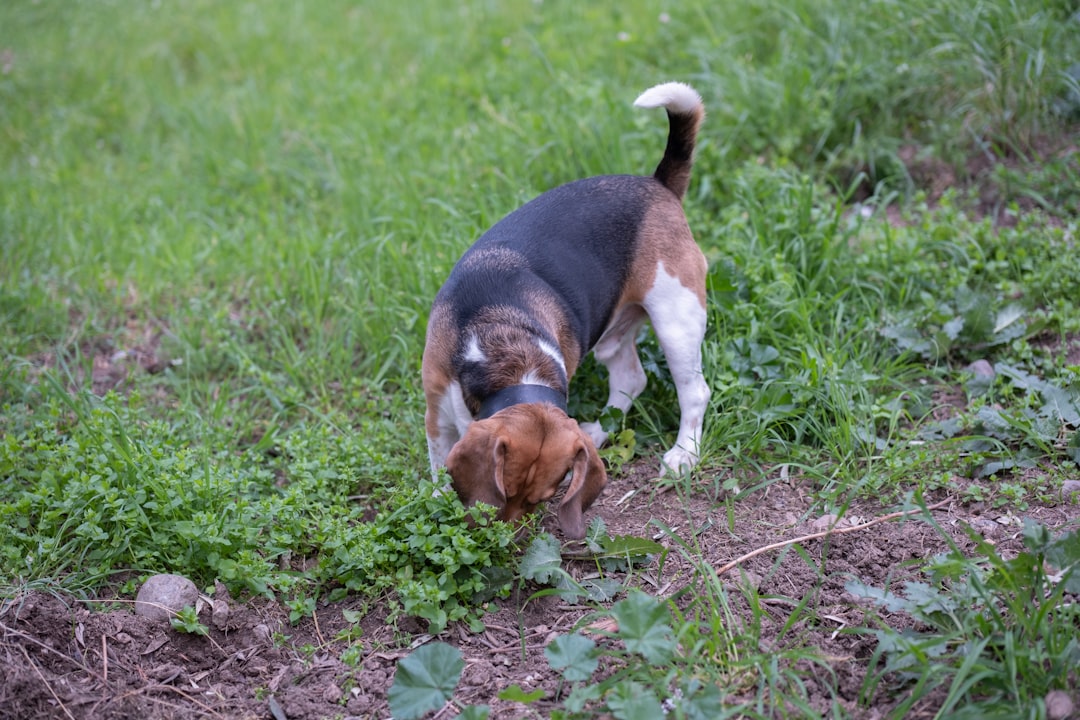
Photo by Doğan Alpaslan DEMİR on Unsplash
A road trip with an IVDD dog is absolutely possible — it just requires more pre-trip planning than most people expect.
Heidi has been in the car more times than I can count since her diagnosis — vet appointments, rehab visits, and yes, actual trips. The first time we drove more than two hours with her, I was convinced something was going to go wrong. Mostly it didn’t, but the things that did go sideways were all things I could have anticipated. This guide is everything I wish I had known before that first long drive.
Setting Up the Crate in Your Car
The single most important thing you can do for a road trip with an IVDD dog is secure their crate so it cannot shift, slide, or tip during the drive. An unsecured dog — even one who’s been traveling in laps or loose in the back seat for years — is a serious risk after an IVDD diagnosis.
In a moving vehicle, any sudden stop sends your dog’s body forward with real force. For a disc-compromised spine, that jolt can be enough to trigger a setback or, in the worst case, a new episode. Securing the crate to the floor or seatbelt anchors removes that variable entirely.
Crate Size and Padding
Use the same crate your dog already associates with rest — familiar smells reduce anxiety on the road, and an anxious IVDD dog who scrabbles around in a strange crate is exactly what you don’t want. Line the floor with a non-slip mat and add a layer of memory foam padding. The goal is that when the car turns or brakes, your dog barely moves inside the space.
If your dog uses a medium dog cage at home, that’s exactly what belongs in the car. Consistency matters.
Crate Placement in the Vehicle
- Back seat, seatbelt anchor: Most portable crates can be run through with a seatbelt on one side. It won’t hold against a full collision, but it prevents the crate from sliding during normal driving.
- Cargo area with a barrier: For SUVs and wagons, a fitted cargo crate braced against the seat back works well. Make sure the cargo door opening doesn’t allow the crate to slide toward it.
- Temperature awareness: Rear cargo areas heat up faster than back seats. In warm weather, check the temperature at dog level before closing your dog in.
- A dog with spinal disease can sustain a disc injury or worsen an existing one from the impact of a sudden stop
- Even a dog who is “fine” between appointments is not fine unsecured at highway speed
- Harnesses clipped to seatbelts are a partial solution for dogs without mobility needs — for an IVDD dog, a secured crate is always the better choice
How Often Should You Stop?
Every 2–3 hours is the right rhythm for most IVDD dogs. This isn’t just a bathroom schedule — it’s also a chance for your dog to change position, get a brief assisted walk or sling-supported stretch, and for you to check on skin, incontinence management, and general comfort.
For dogs with any degree of bladder involvement, the 2-hour mark is non-negotiable. A full bladder under the pressure of a car ride is uncomfortable at best and can contribute to accidents that soak into the crate padding and cause skin problems. If your dog wears diapers, check and change them at every stop regardless of whether they look soaked.
What to Do at Each Stop
- Move to a shaded, quiet area away from parking lot traffic.
- Lift your dog out of the crate using your full two-handed support — don’t let them jump.
- Support the rear with a sling if they need it, and allow a short assisted bathroom break on grass if possible.
- Let them rest on a blanket outside the crate for 5–10 minutes if weather allows.
- Check the crate padding for moisture and swap if needed.
- Give any timed medications that fall within the stop window.
- Offer a small amount of water — not a full drink right before getting back in.
For reference on safe lifting technique, the guide on how to safely move an IVDD dog is worth reviewing before any trip.
- Portable water bowl and a small water bottle
- Extra crate liner or absorbent pad
- Clean diapers or belly bands (bring double what you think you’ll need)
- Baby wipes for quick incontinence cleanup
- Sling or rear-support harness
- Plastic bags and paper towels
Mapping Emergency Vets Before You Leave
This is the step most people skip, and it’s the one I feel most strongly about. Do not leave for a road trip with an IVDD dog without knowing where the nearest 24-hour emergency veterinary clinic is at every major point along your route.
IVDD can worsen suddenly. A dog who was walking this morning can be dragging a leg by evening. That kind of escalation does not wait for business hours, and it does not wait until you’re back home. If you’re eight hours from your usual neurologist and your dog shows signs of rapid decline, you need a number you can call right now.
The American Animal Hospital Association maintains a clinic locator that can help you identify accredited facilities along your route. Use it before you go. Save the names, addresses, and phone numbers as a notes file that doesn’t require cell service to access.
Knowing what constitutes a true emergency is equally important. If you haven’t read through the IVDD emergency signs guide recently, do that before you pack the car.
What to Save for Each Emergency Clinic on Your Route
- Name and address (for offline navigation)
- Phone number (saved in your contacts, not just bookmarked)
- Whether they have a neurologist on staff or on call — many emergency clinics can stabilize and manage pain but cannot perform spinal surgery; knowing this in advance helps you make faster decisions
Packing Medications
An IVDD dog on a road trip needs their full medication supply, plus buffer. I pack the current supply plus two to three extra days’ worth, stored in a small labeled bag that travels in the passenger compartment — not buried in luggage in the trunk.
What Goes in the Medication Kit
- All current prescriptions with their original labeled bottles
- Written dosing schedule — times, doses, with-food or without; do not rely on memory when you’re tired and driving
- Your regular vet’s contact number
- The prescribing neurologist’s number if your dog is post-surgical
- Your dog’s most recent records or discharge summary — a printed or downloaded copy, not one that requires logging into a portal
- Any OTC supplements your dog takes daily
If your dog is on gabapentin, steroids, or a muscle relaxant, missing a dose on the road matters more than forgetting a vitamin. Build a phone alarm for every dose before you leave your driveway.
- Full current supply plus 2–3 day buffer
- Written schedule with dose times and amounts
- Original labeled prescription bottles
- Regular vet phone number saved offline
- Dog’s medical records downloaded or printed
- Dosing alarms set on your phone before departure
Hotel Logistics and Overnight Bathroom Setup
Hotels require a bit of pre-planning for an IVDD dog. Call ahead and confirm a pet-friendly room — ideally on the ground floor to avoid elevator logistics. A room that requires stairs is a problem you want to rule out before you arrive at 10 p.m.
Once you’re in the room, spend five minutes setting up your dog’s sleep area before anything else. Bring their orthopedic bed or foam topper from home. Hotel floors are often slippery tile or thin carpet with no traction, which is a real hazard for a dog with any hindlimb weakness. If you’re not bringing their bed, pack grip socks or ToeGrips.
Overnight Bathroom Routine
For dogs who need assisted bathroom trips, find the outdoor relief area when you check in — in daylight, before you need it at 2 a.m. Identify whether there’s grass nearby or whether you’ll be working with pavement.
- Set an alarm for your dog’s usual overnight bathroom window, even if you think they can make it through.
- Line the sleeping area with absorbent pads in case there’s an accident overnight — hotel floors and bedding are not your responsibility to ruin.
- Keep your sling, wipes, and clean supplies at the bedside, not in a bag across the room.
If your dog regularly uses training pads at home, bring a stack for the hotel stay. It takes five seconds to set one up and saves a lot of cleanup stress.
Related Reading
- IVDD Emergency Signs: When to Rush Your Dog to the Vet
- How to Safely Move an IVDD Dog: Lifting and Transport
- Best Rear-Support Harnesses & Slings for IVDD Dogs
Road trips with Heidi have become something I actually look forward to now. The first few were stressful because I was learning. Once the systems were in place — the crate secured, the meds organized, the emergency contacts saved — the trip itself felt manageable. Your dog doesn’t need to stay home just because they have IVDD. They just need you to do a little more homework before you turn the key.
This guide is based on real experience and should be used alongside professional veterinary care. Always consult your veterinarian before starting any new treatment or making changes to your dog’s care plan.
Frequently Asked Questions
Is it safe to road trip with an IVDD dog?
Yes, with the right setup. The key risks are unsecured movement in the car, missed medication doses, and being caught far from emergency neurological care. Planning for all three before you leave makes road trips genuinely manageable for most IVDD dogs.
How often should I stop for an IVDD dog on a road trip?
Every 2–3 hours is a reasonable target for most IVDD dogs. Longer periods in a static position — even in a padded crate — can stiffen the spine and complicate bladder management for dogs with any degree of incontinence.
What should I pack in a medication kit for an IVDD dog road trip?
Pack the full current medication supply plus a 2–3 day buffer, written dosing instructions, your vet’s contact number, and the dog’s most recent medical records or discharge summary. A printed list of medications with doses is useful if you need to visit an unfamiliar emergency vet.
How do I find an emergency vet along my route before I leave?
Search for 24-hour emergency veterinary clinics or veterinary neurology specialists along your planned route before you go. Save the addresses and phone numbers offline — do not rely on cell service. The American Animal Hospital Association’s online locator is one starting point for finding accredited facilities.