The First IVDD Post-Op Recheck: What to Expect
Your dog's first post-op recheck usually happens 10–14 days after IVDD surgery. Here's what the vet checks, questions to bring, and red flags to catch first.
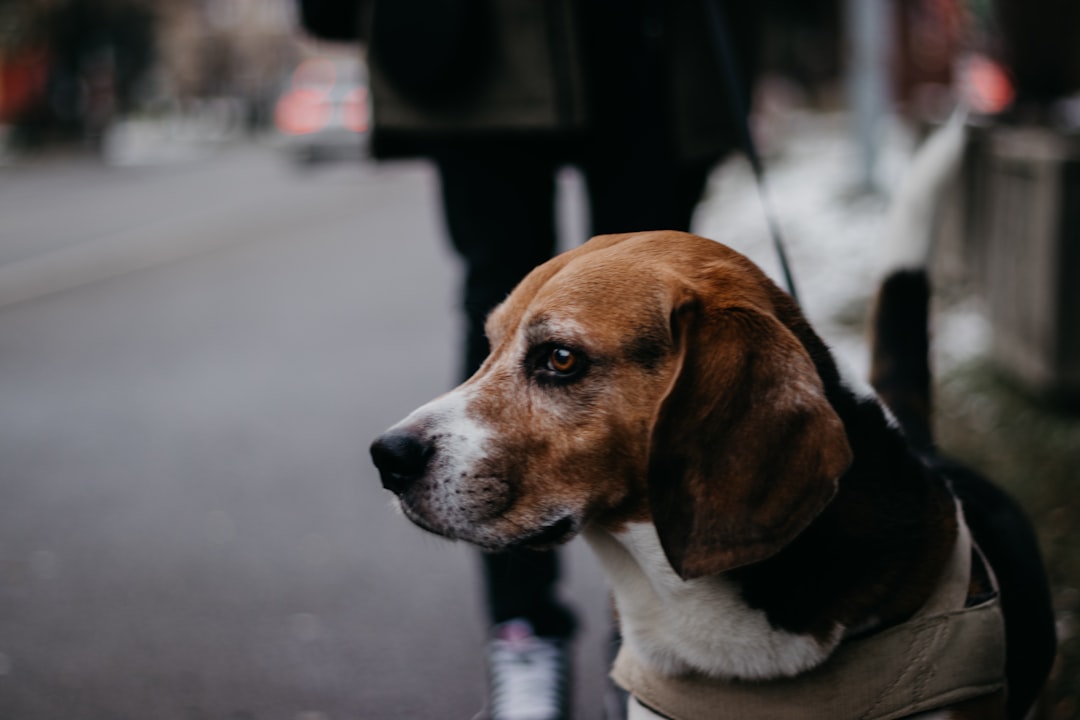
Photo by Ľuboš Felčík on Unsplash
Walking into your dog’s first post-op recheck doesn’t have to feel like a pop quiz — if you know what the vet is checking and you show up with the right questions, it becomes one of the most reassuring appointments of the whole recovery.
When Does the First Recheck Happen?
Most IVDD surgeons schedule the first post-op recheck between 10 and 14 days after surgery. That window isn’t arbitrary — it lines up with when most sutures or staples are ready to come out, and it gives the spinal cord enough time to show early signs of recovery without leaving you in the dark for too long.
Some practices will do a brief phone check around day seven, but the formal in-person visit usually lands in that second week. If you haven’t received a specific date in your discharge paperwork, call the surgical practice to confirm. You shouldn’t be guessing.
Before that appointment, keep a simple daily log. Note whether your dog is weight-bearing, how bladder and bowel function looks, any changes in comfort level, and anything about the incision. That log becomes incredibly valuable when the vet asks, “How has she been doing?” and your exhausted brain goes blank.
- Your daily progress log (even rough notes in your phone work)
- A list of all current medications and doses
- Any photos or short videos of concerning behaviors you’ve noticed
- Written questions — the appointment moves fast
- Your discharge paperwork if you weren’t given a copy at the surgery center
What Does the Vet Actually Check at the Recheck?
The recheck covers four core areas: the incision, a repeat neurological exam, bladder function, and your dog’s weight. Each one tells the vet something different about where recovery stands.
Incision Assessment
The surgical site is examined for signs of proper healing — the edges should be coming together cleanly with no separation, redness, swelling, or discharge. If your dog had staples, this is when they typically come out. The vet is also looking for signs of seroma (a pocket of fluid under the skin that sometimes forms post-surgery) or infection. If anything looks off, they may clean the area, take a culture, or recommend a delay in staple removal.
This is also a good moment to ask about incision care at home going forward, especially if your dog has been trying to lick or scratch the site.
The Repeat Neurological Exam
This is the most important part of the recheck. The vet will repeat many of the same tests done before surgery: checking for conscious proprioception (does your dog know where her feet are?), voluntary movement, deep pain sensation, and overall coordination. They’re comparing where your dog is now against where she was at surgery.
Progress doesn’t always look dramatic at this stage. Even subtle improvement — a toe that twitches, a paw that self-corrects when placed knuckled down — is meaningful data. As explained in the article on deep pain sensation in IVDD, the presence or return of deep pain sensation is one of the strongest indicators of long-term recovery potential.
Bladder Function
If your dog has been incontinent or needing manual bladder expression, the vet will assess whether there’s any return of voluntary control. They may gently palpate the bladder to check how well it’s emptying on its own. If you’ve been expressing at home, bring your honest observations about how full the bladder feels before you express and whether there’s any spontaneous urination happening.
Weight Check
This one surprises some people, but weight matters. Dogs often lose muscle mass quickly during crate rest, and any weight gain puts extra stress on a healing spine. The vet may have specific recommendations based on what they see on the scale.
What Questions Should I Bring?
These are the questions I’d have written down before walking in:
- Neurological progress: “Is what you’re seeing on the exam consistent with where she should be at two weeks?”
- Activity level: “What exactly does ‘strict rest’ mean now — can she have any more freedom in the crate?”
- Rehab clearance: “Are we ready to start formal rehabilitation, and if so, what does that look like?”
- Medications: “Which medications can we start tapering, and which should we continue?”
- Bladder: “Is the bladder function I’m seeing normal for this stage, and when might we expect more voluntary control?”
- Next appointment: “When do you want to see her again, and what should prompt an earlier call?”
Don’t feel like you have to remember these in the room. Print them out or keep them on your phone. Vets genuinely appreciate owners who come organized.
- Incision is clean, dry, and closing without discharge
- Any return of voluntary movement or paw correction, even small
- Dog is eating, drinking, and engaged with surroundings
- Bladder is emptying more fully or spontaneous urination is occurring
- Pain level appears well-managed (no yelping, no guarding)
What Does “Cleared for Stage 2 Rehab” Actually Mean?
Being cleared for stage 2 rehabilitation means the vet has confirmed that the incision is healed enough, the neurological picture is stable or improving, and your dog’s body is ready to move beyond strict crate rest into structured, progressive movement.
It does not mean normal life resumes. It means a new, carefully graduated phase begins — usually short leash walks on a leash and harness, passive range-of-motion exercises at home, and possibly referral to a certified canine rehabilitation therapist for underwater treadmill work or guided land exercises. The IVDD surgery recovery timeline explains how these phases typically stack up week by week.
If your dog hasn’t been cleared yet, that’s also useful information. It means the incision or neuro picture needs more time, and pushing ahead with activity could set recovery back significantly.
For post-op movement support, the Help ‘Em Up Harness is what we used with Heidi during the transition out of crate rest — it gives you genuine control when you’re helping a wobbly or weak dog take those first assisted steps without pulling on the spine.
- Incision that is opening, oozing yellow or green discharge, or has a foul smell
- Sudden neurological worsening — hind legs that were improving begin dragging again
- Fever, loss of appetite, or extreme lethargy beyond what’s expected post-op
- Bladder that suddenly stops functioning after showing improvement
- Signs of pain that aren’t controlled by prescribed medications
What Happens After the Recheck?
The recheck appointment usually ends with a clear next step: either a follow-up date (often around the six-week mark), a referral to a rehabilitation specialist, or both. If rehab is recommended, don’t delay — early structured rehabilitation is widely thought to support better outcomes, and the window matters.
If you leave the recheck still feeling unsure about your dog’s trajectory, ask your vet directly: “Based on what you saw today, what’s your honest read on where she’s headed?” A good surgeon will give you a straight answer. Understanding the IVDD staging framework can also help you contextualize whatever they tell you.
The first recheck is really a checkpoint, not an endpoint. It confirms the surgical work is holding, gives you a read on nerve recovery, and sets the direction for the next six weeks. Walking in prepared makes it a productive visit instead of an overwhelming one.
Related Reading
- Post-Op IVDD Care: The First 30 Days at Home
- IVDD Recovery Days 8–14: What to Watch For
- IVDD Recovery Setbacks: What’s Normal vs. a Vet Call
Frequently Asked Questions
When does the first IVDD post-op recheck usually happen?
Most surgeons schedule the first post-op recheck between 10 and 14 days after IVDD surgery, which aligns with suture or staple removal. Some practices do a brief phone or telehealth check at the one-week mark before that in-person visit.
What does “cleared for stage 2 rehab” mean at the recheck?
It means the vet or rehab specialist has determined your dog’s incision is healed, their neuro status is stable or improving, and their body is ready to move beyond strict crate rest into guided, progressive exercises. It does not mean normal activity — just a structured next phase.
What warning signs mean I should call before the recheck appointment?
Go earlier if you see the incision opening, oozing, or smelling bad; if your dog develops a fever, stops eating, suddenly worsens neurologically, or loses bladder and bowel function they had previously regained. Any of these warrant a call or visit the same day.
How long is the full IVDD recovery after surgery?
Most dogs need six to eight weeks of restricted activity after IVDD surgery, though the exact timeline depends on their grade at surgery and how well rehab progresses. Some dogs, especially those who were severely affected, may need several months of ongoing rehabilitation.
This guide is based on real experience and should be used alongside professional veterinary care. Always consult your veterinarian before starting any new treatment or making changes to your dog’s care plan.