Sudden Paralysis in Dogs: The First 72 Hours
Your dog was fine yesterday — now they can't stand. What to do in the first 72 hours of sudden paralysis, from safe transport to down-dog care basics.
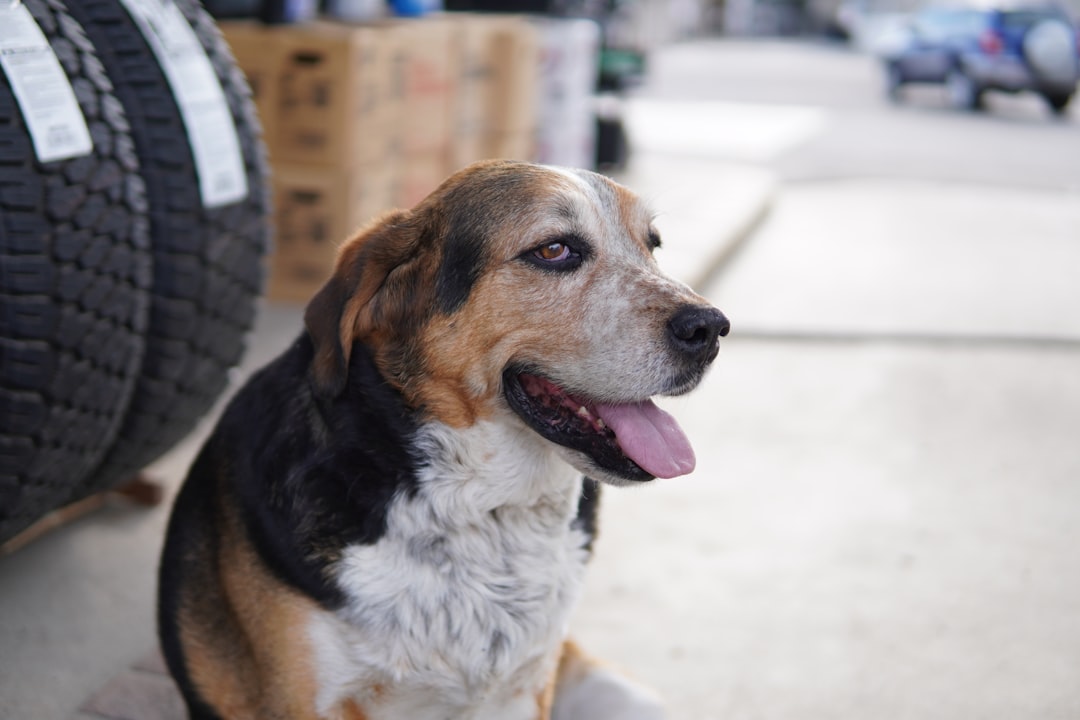
Photo by Brett Wharton on Unsplash
The moment you realize your dog can’t move their back legs — not just weakly, not just slowly, but not at all — is one of the most frightening moments in a dog owner’s life.
I know that moment. With Heidi, my dachshund, it was early morning. She’d been fine the night before. By sunrise she was completely down, unable to stand, unable to take a single step. The shock of it is hard to describe — your brain keeps expecting them to just get up.
This article is written for that moment: the first 72 hours of sudden, complete paralysis in a dog. If your dog is still moving their legs — even dragging them, even weakly — that’s a different picture. Check out Dog Dragging Back Legs: Causes, Urgency & What to Do for that situation. This guide is specifically for dogs who have gone from normal to completely unable to stand, often overnight.
How Is This Different From a Dog Dragging Their Legs?
Complete sudden paralysis means the dog cannot stand or bear any weight at all, typically developing within hours or overnight. This is distinct from the gradual or partial hind-leg weakness — knuckling, wobbling, or dragging — that often signals earlier-stage IVDD or progressive conditions like degenerative myelopathy.
The distinction matters because the causes, urgency, and caregiving approach differ. A dog who is completely down and cannot move their hind limbs at all needs emergency imaging and neurological assessment right away. Partial weakness still warrants an urgent vet call, but the diagnostic and care path looks different.
If your dog still has some leg movement, even poor or inconsistent movement, Dog Dragging Back Legs: Causes, Urgency & What to Do is the better starting point for you.
What to Do in the First Hours (Before the Vet Visit)
The single most important thing you can do in the first hours is keep your dog still and get to a vet as fast as possible.
Here’s the immediate priority list:
- Stay calm and confine your dog. Panic leads to thrashing, and thrashing can worsen a spinal injury. Speak in a low, steady voice.
- Create a flat stretcher. Slide a rigid surface — a cookie sheet, a cutting board, a piece of cardboard — under your dog. Support the chest and hindquarters simultaneously and keep the spine neutral.
- Do not let them walk or drag. Dragging on a hard floor can cause abrasions to paralyzed limbs that the dog cannot feel.
- Note the timeline. When did you last see them walking normally? Were there any earlier signs — yelping, reluctance to move, hunched posture? Write this down. Your vet will ask.
- Check for a tick. Run your fingers through the coat, especially around the neck, ears, and between the toes. Finding a tick immediately changes the diagnostic conversation.
- Don’t give human medications. No ibuprofen, no aspirin, no acetaminophen — all are toxic to dogs.
- Call the emergency vet while loading the car. Give them a heads-up so they can prepare.
- Complete sudden paralysis in a dog is always an emergency
- Some causes — tick paralysis, acute disc compression — are time-sensitive; faster treatment generally leads to better outcomes
- Loss of deep pain sensation (the vet’s key prognostic test) becomes more significant the longer it’s absent
- If your regular vet is closed, go to the nearest emergency animal hospital now
When you arrive, tell the vet the exact timeline, any preceding symptoms, the dog’s breed, age, and whether you found or suspect a tick. For more on what the neurological exam looks like, Your Dog’s IVDD Neurologist Visit: What Actually Happens gives a clear walkthrough.
What Causes Sudden Complete Paralysis in Dogs?
Several distinct conditions can cause a dog to go from walking normally to completely paralyzed, often overnight. A veterinary exam — and likely imaging — is needed to distinguish them.
| Cause | Onset | Key Feature | Prognosis |
|---|---|---|---|
| Acute IVDD (disc rupture) | Hours to overnight | Pain common; chondrodystrophic breeds at highest risk | Depends on severity and speed of treatment |
| Fibrocartilaginous Embolism (FCE) | Minutes to hours | No pain after onset; asymmetric often | Often good with supportive care |
| Tick paralysis | Hours to days | Ascending weakness; tick must be present | Excellent once tick removed |
| Coonhound paralysis | 7–10 days after raccoon exposure | Progressive ascending weakness | Weeks to months of recovery; usually good |
 disableddogcare.com
Acute IVDD: A disc in the spine ruptures suddenly, sending disc material into the spinal canal and compressing the spinal cord. This is the most common cause in chondrodystrophic breeds — dachshunds, Corgis, Beagles, French Bulldogs. It is often but not always painful. With Heidi, this is exactly what happened. Treatment ranges from strict crate rest to emergency surgery depending on severity. The 5 IVDD Stages article explains the grading system that guides treatment decisions.
Fibrocartilaginous Embolism (FCE): A fragment of disc material enters the blood supply to the spinal cord, cutting off circulation. Onset is typically sudden — sometimes triggered by exercise or a jump — and the dog is often not in pain after the initial moment. FCE and IVDD can look very similar in the first hours; imaging is usually needed to distinguish them. IVDD vs FCE: How to Tell These Spinal Emergencies Apart covers this in detail.
Tick paralysis: A neurotoxin produced by certain feeding ticks (most commonly Dermacentor species in North America) causes ascending paralysis — weakness that starts in the hind legs and moves forward. Removing the tick typically leads to rapid improvement. This is why checking for ticks is step one at home.
Coonhound paralysis: Covered in its own section below.
Down-Dog Care Basics: What You Must Do Before Diagnosis
The hours between “something is wrong” and “we have a plan” are scary, and they can stretch longer than you’d expect — imaging, specialist referrals, and surgery schedules all take time. Here is what to do for a completely paralyzed dog while you wait.
Bladder Expression
A paralyzed dog typically cannot urinate on their own. The bladder will fill, and if it’s not emptied, it can become dangerously overdistended or lead to infection. Plan to express the bladder every six to eight hours. This sounds intimidating, but it is a learnable skill, and the vet or vet tech should show you how before you leave with your dog. Our detailed Bladder Expression for IVDD Dogs: Step-by-Step Guide walks through the full technique.
Signs the bladder needs to be expressed: the abdomen feels firm or round, your dog hasn’t urinated in six or more hours, or you notice dribbling (which can mean overflow from an overfull bladder rather than voluntary urination).
Positioning and Pressure Sore Prevention
A dog who cannot reposition themselves will develop pressure sores within hours on bony prominences — hips, shoulders, elbows, knees, and the sides of the ankles. These sores can become serious infections quickly, especially in paralyzed tissue with compromised circulation.
Reposition every two to four hours. Alternate sides. Use a thick foam or orthopedic surface — never a hard floor or thin blanket alone. Check the skin at every repositioning. Redness that doesn’t fade within thirty minutes after pressure is removed warrants attention.
- Thick orthopedic or foam surface — never bare floor
- Reposition every 2–4 hours; alternate sides
- Check skin for redness, sores, or moisture at every turn
- Keep paralyzed limbs in a neutral, natural position — not tucked awkwardly
- Keep food and water accessible without requiring movement
- Line sleeping area with absorbent pads for leaking urine
Hydration
A dog in shock or pain may refuse to drink. Encourage water intake actively — use a syringe to offer small amounts at the lips if needed, or offer a low-sodium broth. Dehydration compounds every other problem.
Preventing Skin Abrasions
Paralyzed limbs drag on surfaces and develop abrasions fast — often without the dog feeling it. Keep them on soft surfaces, and if they need to be moved, lift rather than drag. Covering the hind limbs loosely during transport or movement helps protect the skin.
Coonhound Paralysis: What It Is and What Caregiving Looks Like
Coonhound paralysis — the common name for acute canine polyradiculoneuritis — is a condition in which the dog’s immune system attacks the peripheral nerves following exposure to a trigger, most often a raccoon bite or scratch. The disease is not limited to coonhounds; any breed can develop it.
Onset typically occurs seven to ten days after raccoon exposure. Weakness begins in the hind limbs and progresses forward over days, potentially reaching the front limbs, neck, and in severe cases, respiratory muscles. Unlike IVDD, the condition is not generally painful — though sensation is intact, so dogs can still feel pain even if they cannot move to express it. Unlike tick paralysis, there is no quick fix — removing a tick will not resolve it.
As described by VCA Animal Hospitals, coonhound paralysis is a lower motor neuron disease affecting the peripheral nerves and nerve roots rather than the spinal cord itself. It is considered the veterinary equivalent of Guillain-Barré syndrome in humans.
There is no specific treatment. Care is entirely supportive: bladder expression, repositioning, nutrition, respiratory monitoring, and preventing secondary infections. Most dogs begin improving around three weeks in and recover within two to four months with committed nursing care.
If raccoon exposure occurred in the weeks before sudden paralysis, this diagnosis needs to be on the table. Tell your vet immediately.
How the Caregiving Arc Differs by Diagnosis
Once you have a diagnosis, the path forward changes meaningfully.
IVDD: The immediate question is surgery versus conservative management. Grade (severity) and deep pain sensation are the key factors. Surgery timelines matter — the window for best outcomes with severe IVDD is generally thought to be within the first 24–48 hours of complete paralysis, though outcomes vary. The IVDD Surgery vs. Conservative Care article covers how to think through that decision. Conservative management means strict crate rest for typically six to eight weeks, with active nursing care throughout. Living With a Paralyzed IVDD Dog: A Real Daily Routine is what that actually looks like day to day.
FCE: There is no surgical fix for FCE. Treatment is supportive nursing care and rehabilitation. Many dogs with FCE begin improving within the first week, and outcomes are often good — though recovery timelines vary widely.
Tick paralysis: Remove the tick. Improvement typically begins within hours to a day. Supportive care is needed in the meantime, including respiratory monitoring in severe cases.
Coonhound paralysis: Weeks to months of the kind of intensive nursing care described in this article — bladder expression, repositioning, skin care, nutrition. Most dogs recover with committed care.
- Getting to a vet immediately — before trying to diagnose it yourself
- Keeping detailed notes on timing, triggers, and any preceding symptoms
- Learning bladder expression technique before leaving the vet’s office
- Setting up a proper nursing station at home before your dog arrives back
- Asking your vet explicitly: what are the signs that things are getting worse, and when do I call you?
What to Tell Your Vet (and Ask Them)
Walking into an emergency vet with a paralyzed dog is overwhelming. Having this information ready helps the team work faster:
- Exact timeline: When was the last time your dog walked normally? When did you notice the problem?
- Breed and age: Certain breeds and age groups carry very different risk profiles.
- Any preceding signs: Yelping, reluctance to move, hunched back, slower on stairs in the days before.
- Raccoon or wildlife exposure: In the past two to three weeks.
- Tick check result: Whether you found one or didn’t.
- Any medications: Current medications and any you’ve given since the episode started.
And ask clearly before you leave: How do I express the bladder? What are warning signs that require an emergency call? What imaging do you recommend and why? What is the treatment plan if it’s IVDD?
For the full list of questions to bring to a neurologist or surgeon, IVDD Surgery: 12 Questions to Ask Your Vet First is a good companion once a diagnosis is established.
Related Reading
- IVDD vs FCE: How to Tell These Spinal Emergencies Apart
- Dog Dragging Back Legs: Causes, Urgency & What to Do
- Bladder Expression for IVDD Dogs: Step-by-Step Guide
Frequently Asked Questions
What causes a dog to suddenly become completely paralyzed?
The most common causes of sudden complete paralysis in dogs include acute IVDD disc rupture, fibrocartilaginous embolism (FCE), tick paralysis, and coonhound paralysis (polyradiculoneuritis). A vet or veterinary neurologist needs to examine your dog urgently — the cause determines the treatment and prognosis.
Should I take my dog to the emergency vet for sudden paralysis?
Yes, immediately. Complete sudden paralysis is always a veterinary emergency. Do not wait until morning. Time matters enormously with spinal cord conditions, and some causes like tick paralysis require a fast, specific fix that resolves the problem quickly once identified.
How do I move a suddenly paralyzed dog safely?
Keep the spine as still as possible. Slide a firm, flat surface — a cutting board, a cookie sheet, a piece of cardboard — under your dog and use it as a stretcher. Support the chest and hindquarters together. Avoid bending or twisting the back. Do not let the dog struggle or thrash during transport.
How do I care for a paralyzed dog at home while waiting for a diagnosis?
Keep your dog on a cushioned surface, reposition them every two to four hours to prevent pressure sores, manually express the bladder every six to eight hours if they cannot urinate on their own, keep them hydrated, and prevent them from dragging on hard floors. Our step-by-step bladder expression guide walks through the technique in detail.
The first 72 hours with a suddenly paralyzed dog are brutal — I won’t pretend otherwise. But the families who come out the other side in the best position are almost always the ones who moved fast, kept their dog still and comfortable in the meantime, and learned the nursing basics before leaving the vet’s office. You can do this. One step at a time.
This guide is based on real experience and should be used alongside professional veterinary care. Always consult your veterinarian before starting any new treatment or making changes to your dog’s care plan.