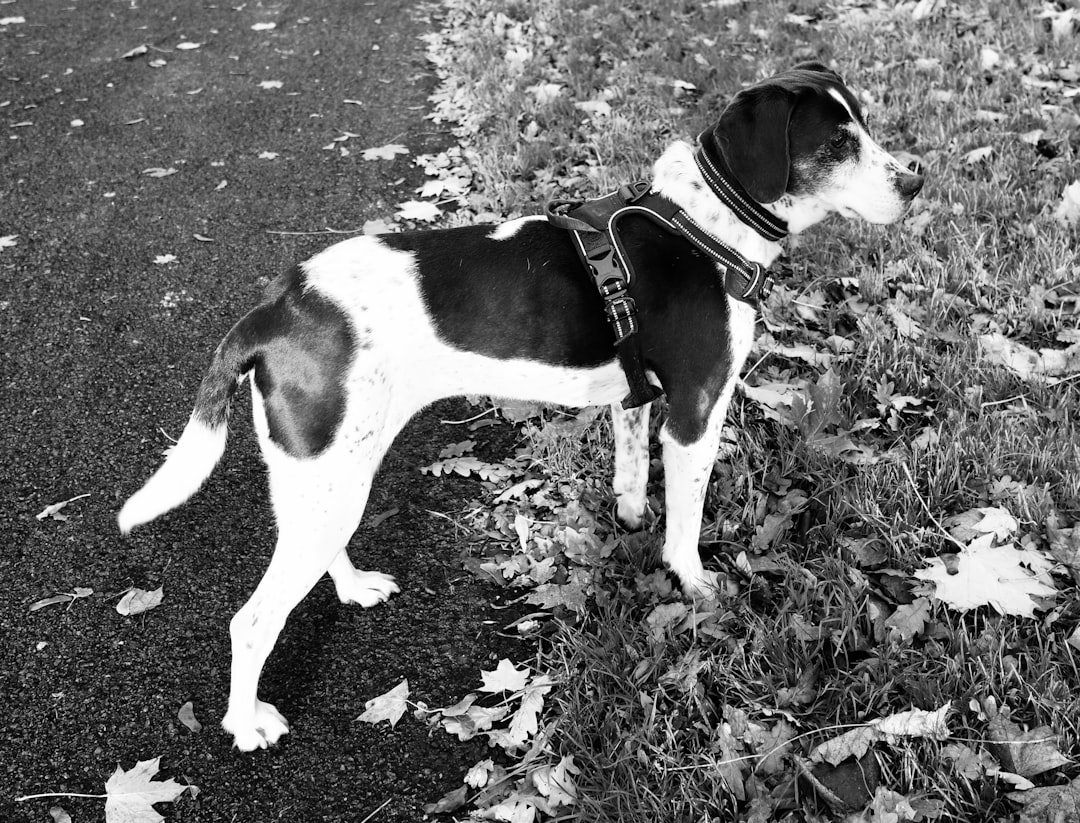
The first night home after your dog’s IVDD surgery is one of the hardest nights you will have as a caregiver.
I remember sitting on the floor next to Heidi’s crate at 2 a.m. the night we brought her home, whispering through the door while she cried and I cried and neither of us slept much. Nobody warned me how disorienting that first night would be. So this is the article I wish I’d had — the honest, practical breakdown of what to actually expect and what to actually do when the lights go out.
Where Should the Crate Go?
The crate should be in your bedroom — specifically, where your dog can see or smell you without you having to reach in and touch them.
This matters more than most discharge papers let on. Dogs who just had surgery are in pain, on medications that make them groggy and disoriented, and in a strange-feeling body. Being alone in a dark living room amplifies all of that. Proximity to you is genuinely calming, and it costs you nothing to move the crate to your room for the duration of crate rest.
A few practical placement notes:
- Floor level only: Do not stack the crate on a table or chair. Even a short fall can injure a post-op dog who is confused and unsteady.
- Away from heating and AC vents: Post-op dogs have disrupted thermoregulation. Temperature stability matters.
- Facing your bed if possible: Heidi could see me from her crate. I genuinely believe that helped her settle faster.
- Accessible from both sides: You will need to get in and out of bed multiple times overnight. Don’t box yourself into a corner.
Some owners feel strongly that the crate belongs in a quiet room to promote rest. In my experience, the quiet-room approach works better for dogs who are already crate-trained and calm. For a freshly post-op dog in pain and on new medications, being near you almost always wins.
- Line the bottom with a waterproof pad, then a soft layer on top — your dog may have incontinence in early recovery
- Keep the crate covered on three sides to reduce visual stimulation
- Leave the side facing you open or mesh-visible so your dog can orient to you
- Place a worn t-shirt of yours inside — scent is calming
For the crate itself, the medium dog cage we used for Heidi is sized well enough to hold a proper sleeping pad without allowing enough room for the dog to pace or spin — which is exactly what you want during strict crate rest.
Is That Crying Pain or Protest?
Night crying from a post-op IVDD dog is almost universal in the first 72 hours, and the most stressful part of it is not knowing what it means.
Here is the honest breakdown: most nighttime crying after IVDD surgery is protest, not acute pain. Your dog has been through a traumatic day, is in an unfamiliar environment, and is separated from you. That’s a lot for any dog, and many of them vocalize about it.
How to Tell the Difference
Pain crying tends to have these features:
- Sudden onset: It starts abruptly, often out of nowhere
- Doesn’t stop when you approach: Sitting next to the crate doesn’t quiet a pain cry
- Accompanied by other signs: Panting, trembling, inability to get comfortable, flinching near the incision
- Occurs during position changes: If the cry spikes when your dog shifts in the crate, that’s worth a call to your vet
Protest crying tends to look like this:
- Escalates when you leave and softens when you return: Classic separation behavior
- Intermittent: Cry, pause, look at you, cry again
- Settles with your voice: Talking calmly through the crate door often quiets it
- Better by night two or three: Protest crying usually improves as the dog adjusts
The hard part is that you’ll be exhausted and these lines blur at 3 a.m. When Heidi cried in the first couple of nights, I developed a simple rule: if I could calm her by sitting next to the crate within two minutes, it was protest. If sitting next to her did nothing, I called the emergency line.
- Crying that does not stop when you are physically next to the crate
- Panting continuously, especially without overheating
- Trembling or shaking that isn’t cold-related
- Swelling, redness, or discharge at the incision site
- Your dog cannot urinate at all despite several attempts
Do not reward protest crying by opening the crate. I know that sounds harsh at 2 a.m., and I also know how hard it is to follow. But opening the crate every time your dog cries teaches them that crying opens the crate, and you will be doing that for eight weeks. Sit next to it. Talk through the door. Slide your fingers in for a sniff. But keep it closed.
Nighttime Bathroom Trips: What to Actually Expect
This is the part no one fully prepares you for: your post-op dog will likely need to go outside at least once overnight in the first week, sometimes twice.
Steroids, which many IVDD dogs are on in early recovery, dramatically increase thirst and urination frequency. Some pain medications do too. Plan for it rather than hoping it won’t happen.
If Your Dog Can Urinate Voluntarily
Set an alarm for once overnight in the first week — roughly 4–5 hours after their last trip out. Take them outside using a proper support method. Keep the trip short, controlled, and boring. No sniffing, no exploring, no jumping. Bathroom, then back to the crate.
If you need a system for supporting your dog during outdoor bathroom trips, the getting your IVDD dog to the bathroom post-op guide covers the lifting and sling technique in detail.
If Your Dog Cannot Urinate Voluntarily
This is more common than people expect, especially with Grade 4 and 5 cases. If your dog had significant spinal cord compression before surgery, bladder function may not return right away. Your vet will tell you before discharge whether to expect this, and they should demonstrate bladder expression before sending you home.
If you’re in this situation, overnight expression every 4–6 hours is the standard recommendation during early recovery — which means no full night of sleep for you for a while. It is exhausting. Bladder expression for IVDD dogs has a step-by-step guide that’s worth bookmarking.
- Keep a harness or sling next to the crate so you’re not hunting for it at 3 a.m.
- Use a slip-resistant mat between the crate and door — groggy dogs fall
- Keep a small flashlight on your nightstand for incision checks during trips
- Have wipes and a fresh waterproof pad staged near the crate for quick crate cleanup
What About Letting Them Sleep in the Bed?
I know why you’re asking this. It’s because your dog is crying, you’re exhausted, and the easiest solution in the world is to just put them in bed with you and everyone sleeps.
Please don’t — at least not yet.
The bed-sharing problem during IVDD recovery isn’t about sentiment. It’s about physics. A post-op dog in a bed can fall off, can shift suddenly and torque their spine, and — crucially — can develop a habit that will be incredibly hard to break when you try to transition back to the crate. I’ve heard from so many owners who let their dog sleep in the bed during week one and spent weeks three through six in a full standoff at crate bedtime.
The standard guidance from most veterinary neurologists is crate rest for 6–8 weeks after IVDD surgery, with the crate as the primary sleeping location throughout that period. IVDD recovery days 1–7 has a good breakdown of why the first week in particular is so critical for spinal cord healing.
When crate rest is officially cleared, you can start thinking about the bed again — but even then, jumping up and down independently is off the table. A ramp or low platform bed is a much safer transition than resuming full bed-sharing on a regular height mattress.
Heidi eventually slept in the bed again. It took much longer than I wanted. But she got there.
- Last bathroom trip: 10–11 p.m., fully supported
- Into crate with worn t-shirt and covered on three sides
- Crate in bedroom, facing my side of the bed
- Alarm set for 3–4 a.m. bathroom check
- If she cried: voice only, fingers through the door, no opening
- By night four: she was settling within 15 minutes
The first week is brutal. Night two is somehow harder than night one. Night four starts to turn a corner. You will sleep again.
For the full picture of what to expect in the first month at home after surgery, post-op IVDD care: the first 30 days at home lays it out week by week.
Related Reading
- IVDD Recovery Days 1–7: The Critical First Week
- Crate Rest for IVDD Dogs: A Survival Guide
- Getting Your IVDD Dog to the Bathroom Post-Op
Frequently Asked Questions
Should I put my dog’s crate in my bedroom after IVDD surgery?
Yes, in most cases. Keeping the crate in your bedroom lets your dog hear and smell you, which reduces anxiety-driven crying without requiring physical contact. It also makes nighttime bathroom checks easier. The goal is proximity, not access to the bed.
How do I know if my post-op IVDD dog is crying from pain or just protesting the crate?
Pain crying tends to be urgent, sudden, and doesn’t stop when you sit next to the crate. Protest crying usually escalates when you leave and calms when you return. Watch for other pain signals too: panting, restlessness inside the crate, flinching when touched near the incision. When in doubt, call your vet.
How many times will I need to take my dog out to the bathroom overnight after IVDD surgery?
Typically once or twice in the first week, depending on your dog’s medications and bladder control. Steroids and some pain medications increase urination frequency. If your dog can’t urinate voluntarily, you may need scheduled bladder expression every 4–6 hours overnight during early recovery.
When can a post-op IVDD dog sleep in the bed with me?
Most vets recommend waiting until after full crate rest is cleared — typically 6–8 weeks post-surgery. Even then, your dog should not jump up or down from the bed unassisted. A ramp or a floor-level sleeping arrangement is a safer transition than resuming full bed-sharing right away.
This guide is based on real experience and should be used alongside professional veterinary care. Always consult your veterinarian before starting any new treatment or making changes to your dog’s care plan.