Ruptured Disc in Dogs: Signs and Treatment
A ruptured disc can go from yelping to paralysis in hours. Here's how to spot the signs fast, what extrusion vs. protrusion means, and when to rush to the vet.
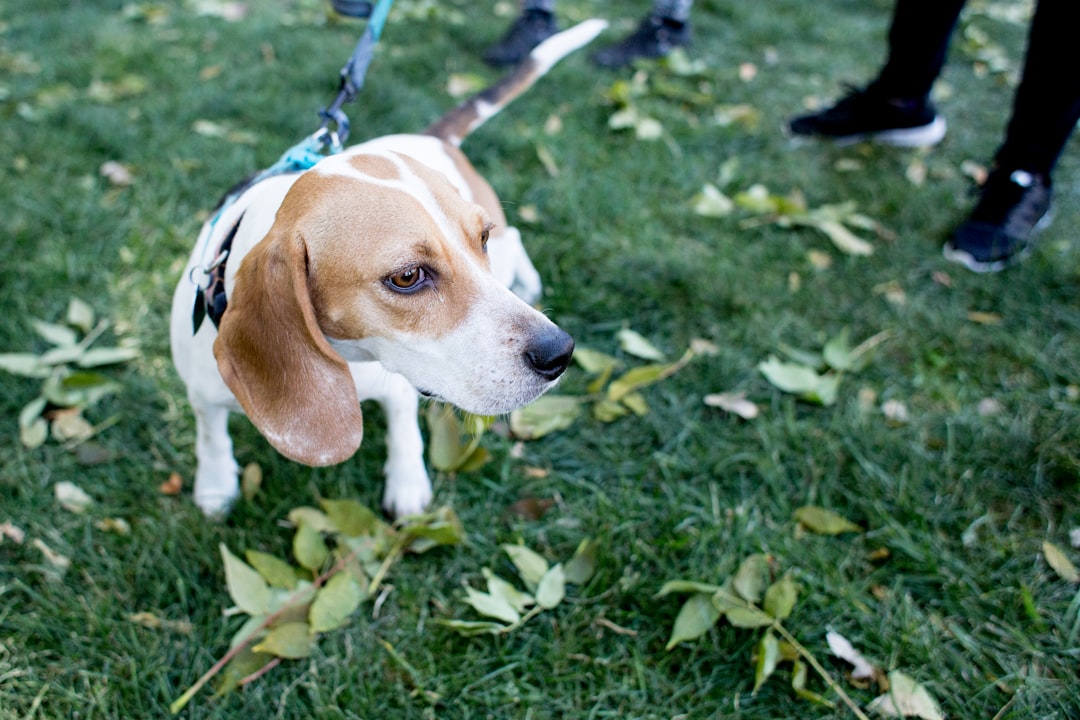
Photo by Audrey Fretz on Unsplash
A ruptured disc in a dog is a true emergency — one that can escalate from painful yelping to full paralysis within hours.
When Heidi had her IVDD episode, “ruptured disc” wasn’t a phrase our regular vet used at first. But as soon as I started reading about what had happened inside her spine, that’s exactly what it was — a disc that had failed, suddenly and dramatically, and compressed her spinal cord. If you’ve landed here because your dog just yelped in pain and won’t move right, I want to help you understand what might be happening and what to do about it.
What Actually Happens When a Disc Ruptures?
A ruptured disc means the shock-absorbing disc between two vertebrae has broken down and pushed material into the spinal canal, compressing the spinal cord or the nerve roots around it. The spinal cord doesn’t like pressure — even brief compression can cause pain, weakness, or lasting damage.
There are two main types, and they behave very differently.
Extrusion: The Sudden Rupture
Disc extrusion is what most people picture when they hear “ruptured disc.” The tough outer wall of the disc (called the annulus fibrosus) tears, and the gel-like inner material (the nucleus pulposus) explosively shoots out into the spinal canal. This is a Hansen Type I injury, and it tends to strike fast — often in chondrodystrophic breeds like dachshunds, Corgis, Beagles, and French Bulldogs, typically in dogs under eight years old.
The speed of extrusion matters. A slow leak causes pain and some inflammation. A forceful, high-velocity extrusion can cause severe spinal cord bruising (called contusion) within minutes. That’s why dogs can go from seemingly fine to completely paralyzed in the span of a morning walk.
Protrusion: The Slow Bulge
Disc protrusion is a Hansen Type II injury. Here, the outer wall of the disc stays mostly intact but bulges inward, gradually compressing the spinal cord over weeks or months. This type is more common in larger breeds and older dogs. The onset is slower — gradual wobbliness, increasing weakness — which is why owners sometimes assume it’s just aging or arthritis before the real cause is identified.
- Extrusion (Type I): Sudden onset, inner disc material bursts out, common in small chondrodystrophic breeds, often severe
- Protrusion (Type II): Gradual onset, disc bulges without fully rupturing, common in larger breeds over age 5, slower progression
- Both compress the spinal cord — both need veterinary attention
- Extrusion is more likely to be a same-day emergency
Our article on Hansen Type I vs. Type II IVDD goes deeper on the biological differences between these two disease types if you want the full picture.
What Are the Signs of a Ruptured Disc in a Dog?
The signs of a ruptured disc in a dog follow a rough progression from mild to catastrophic. Where your dog falls on this spectrum tells you how urgently you need to move.
The most common signs, roughly in order of severity:
- Sudden yelping or crying out: Especially when picked up, touched near the back or neck, or during normal movement. This often comes as a shock — your dog was fine and then screamed.
- Hunched or arched posture: Dogs in spinal pain often curl inward, tuck their belly, and hold their head low. It looks like they’re trying to protect their spine.
- Reluctance to move: Won’t go up stairs, won’t jump onto furniture, hesitates before taking a step. Sometimes they just freeze.
- Trembling or shaking: Pain-related shivering, especially when standing still.
- Wobbly, uncoordinated hindquarters: The back legs drift, cross, or slip out from under them. This is called ataxia, meaning their movement signals are getting scrambled.
- Knuckling: The paw flips under and the dog walks on the top of the foot without realizing it — a sign of significant nerve involvement.
- Dragging back legs: One or both legs are being pulled rather than lifted. This is a red flag for serious spinal cord compression.
- Loss of bladder or bowel control: The dog cannot urinate on their own, or urine or stool is leaking without them knowing. This means the compression has reached the nerves controlling those functions.
- Complete inability to use back legs: The dog cannot stand or move their hind limbs at all.
- Sudden inability to walk or dragging back legs
- Loss of bladder or bowel control
- Deep pain has been lost — the dog doesn’t react when toes are firmly pinched (this test must be done by a vet)
- Rapid worsening — new symptoms appearing within hours of others
- Any sudden paralysis, even partial
How Is a Ruptured Disc Diagnosed?
A ruptured disc cannot be confirmed with a standard X-ray — bones show up, but soft tissue like disc material doesn’t. Vets use X-rays to rule out fractures and look for indirect clues (narrowed disc spaces, calcified discs), but an MRI is the gold standard for seeing exactly where disc material has compressed the spinal cord and how severe the damage is. CT scans and myelograms are also used, especially in emergency settings where MRI isn’t immediately available.
The IVDD Imaging Explained article breaks down what each type of scan shows and when your vet is likely to recommend each one.
Your vet will also do a neurological exam — checking reflexes, assessing how your dog walks, and testing for deep pain sensation. Deep pain is one of the most important prognostic indicators: dogs who retain it have a much better chance of recovery than those who have lost it.
What Are the Treatment Options?
Treatment depends on severity. The five IVDD grades guide how aggressively your vet will recommend intervening.
Conservative Management
For dogs who are still walking — even if wobbly or in pain — strict crate rest combined with anti-inflammatory medications and pain control is often the first approach. “Strict” means your dog is not running, jumping, climbing stairs, or playing. Just controlled, brief bathroom walks on a leash. This approach typically lasts four to six weeks.
Many dogs with milder disc events recover well with conservative management. The risk is that without imaging, you don’t always know how much compression is actually present, and activity restrictions need to be taken seriously.
Surgery
Surgery becomes the strong recommendation when a dog cannot walk, has lost bladder or bowel control, or is not improving with conservative care. The goal of surgery is to remove the disc material pressing on the spinal cord. The most common procedure for thoracolumbar disc disease (the lower back, where most ruptures happen) is a hemilaminectomy — the surgeon removes a small portion of bone to access and clear out the extruded disc material.
The American College of Veterinary Surgeons notes that surgical outcomes are strongly tied to how quickly the procedure is performed after onset of severe signs, and to whether the dog still has deep pain sensation before surgery. A dog who has been paralyzed for more than 24–48 hours and has lost deep pain has a reduced, though not zero, chance of regaining function.
The article on IVDD surgery vs. conservative care walks through the decision framework in practical terms if you’re trying to figure out which path fits your dog.
- Restrict all jumping, stairs, and vigorous movement immediately
- Keep your dog as still and calm as possible — carry them rather than letting them walk
- Call your vet or an emergency vet now if your dog is showing moderate to severe signs
- Don’t give human pain medications — ibuprofen and acetaminophen are toxic to dogs
- If your dog cannot urinate on their own, this is an emergency — a full bladder causes additional pain and risk
After a Ruptured Disc: What Recovery Looks Like
Recovery from a ruptured disc — whether managed conservatively or surgically — takes time. Weeks of restricted activity, medications, and then gradual rehabilitation. The spinal cord can heal, but it does so slowly. Many caregivers are surprised by how much progress happens in the weeks after the initial crisis passes.
If you’re in the early days after a diagnosis, the first 72-hour guide is a good practical starting point. And if your dog is heading into surgery, knowing the week-by-week recovery timeline will help you pace your expectations and recognize what’s normal versus what needs a call to the vet.
A rear-support harness like the Help ‘Em Up Harness can make a real difference during recovery — it lets you assist a wobbly dog on bathroom trips without putting stress on their spine, and it saved my back as much as it helped Heidi.
Related Reading
- IVDD Emergency Signs: When to Rush Your Dog to the Vet
- Hansen Type I vs Type II IVDD: The Two Very Different Diseases
- Slipped Disc in Dogs: Symptoms, Treatment, and Recovery
Frequently Asked Questions
What is the difference between a ruptured disc and a slipped disc in dogs?
They’re often used interchangeably, but “ruptured disc” typically suggests a more sudden, forceful event — usually disc extrusion — where the inner disc material bursts out and hits the spinal cord. “Slipped disc” is a broader lay term that covers both extrusion and the slower protrusion type. Both are forms of intervertebral disc disease (IVDD).
Can a dog recover from a ruptured disc without surgery?
Yes, but it depends heavily on the severity. Dogs at lower grades (mild pain, some wobbliness, still walking) often recover with strict crate rest and medications. Dogs who have lost the ability to walk, or who have lost deep pain sensation, generally need surgery quickly for the best chance of recovery.
How fast can a ruptured disc cause paralysis in a dog?
Frighteningly fast. A dog with disc extrusion can progress from mild back pain to complete hind-leg paralysis within hours. This is why sudden symptoms — especially yelping, back-arching, or leg weakness — should be treated as an emergency, not a “wait and see” situation.
What does a ruptured disc feel like to a dog?
It likely ranges from sharp, intense pain to numbness or complete loss of sensation depending on severity. Dogs in the early stages often act as if their back hurts badly — hunched posture, reluctance to move, crying out when touched. At more severe stages, the spinal cord compression may cause weakness, loss of coordination, or total paralysis.
If you’re in the middle of this right now and your dog is getting worse by the hour, please don’t wait. Call your vet, call an emergency clinic, and get there. A ruptured disc is one of those situations where the next few hours genuinely matter.
This guide is based on real experience and should be used alongside professional veterinary care. Always consult your veterinarian before starting any new treatment or making changes to your dog’s care plan.