Pekingese IVDD: The Neck-Disc Risk in a Flat-Faced Breed
Pekingese are far more likely to herniate a neck disc than a back disc — and their flat face adds surgical risk most owners don't know about until it's a…
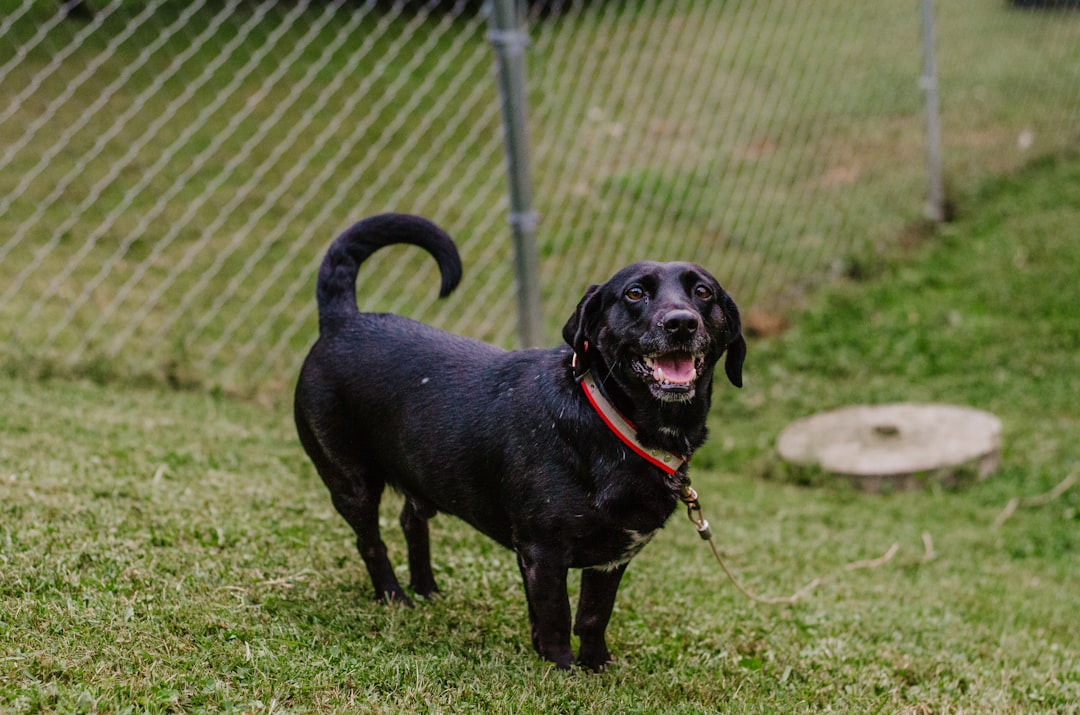
Photo by thebugadi ㅤ on Unsplash
If your Pekingese is moving stiffly, holding their head low, or yelping when you touch their neck, IVDD — and specifically cervical (neck) IVDD — needs to be on your radar immediately.
What Makes Pekingese So Vulnerable to IVDD?
Pekingese are a chondrodystrophic breed, meaning their cartilage — including the cartilage inside their spinal discs — ages far faster than it should. Instead of staying soft and shock-absorbing, disc material mineralizes and hardens, sometimes as early as two or three years of age. When a hardened disc ruptures, it sends material into the spinal canal, compressing the cord or nerve roots.
What sets Pekingese apart from the Dachshunds and Corgis most people associate with IVDD is where the herniations tend to happen. While thoracolumbar (mid-back) disease gets most of the attention, Pekingese herniate cervical (neck) discs at a much higher rate. The American Kennel Club recognizes Pekingese among the chondrodystrophic breeds with elevated spinal disease risk, and breed-community experience consistently confirms the cervical pattern.
The genetics behind this are covered more thoroughly in the article on IVDD genetics: CDDY, FGF4, and chondrodystrophy explained, but the short version is that the same genetic mutation that gives Pekingese their distinctive low-slung body contributes directly to premature disc degeneration.
The Cervical Difference
Cervical IVDD is its own animal. Because the discs involved are in the neck rather than the lower back, the symptoms look different, the treatment approach differs in some ways, and the complications can affect the front legs rather than (or in addition to) the back legs. If you want a deeper dive into how neck-disc disease behaves compared to the thoracolumbar variety, the article on cervical IVDD is worth reading carefully.
- Yelping, crying, or flinching when touched around the head, neck, or shoulders
- Head held low or to one side; reluctance to look up or down
- Stiff, slow, or hunched gait — especially in the front end
- Stumbling, scuffing, or weakness in the forelimbs
- Refusing stairs, jumping, or any movement that stretches the neck
- Sudden onset of these signs, often with no clear injury
How Is Cervical IVDD Different From What Most People Picture?
Most dog owners picture IVDD as a back problem — a dachshund whose hind legs go suddenly weak or paralyzed. That’s the thoracolumbar picture, and it is extremely common. But cervical IVDD compresses a different part of the spinal cord, and the resulting signs are different.
Instead of hind-leg paralysis, cervical disease often presents as neck pain first, then front-end weakness, then (in severe cases) weakness in all four limbs. Because the neck is involved, dogs may be reluctant to eat from floor-level bowls, turn to look at you, or do anything that requires neck movement. Many owners — and even some general-practice vets at first pass — interpret this as general stiffness, aging, or even behavioral change.
The staging system for IVDD applies to cervical cases too. The 5 IVDD stages explained article walks through what each grade looks like — which is helpful context before your neurology appointment, because your neurologist will almost certainly use this language.
The Brachycephalic Complication No One Warns You About
This is the part most Pekingese owners don’t learn until they’re already facing a surgical decision under pressure.
Pekingese are brachycephalic — their flat-faced conformation means a compressed upper airway: a narrowed trachea, elongated soft palate, and narrowed nostrils. Under normal circumstances, this causes snoring and exercise intolerance. Under general anesthesia, it becomes a genuine risk factor.
Brachycephalic dogs are harder to intubate, more prone to airway obstruction during recovery, and require more attentive post-op monitoring. This doesn’t mean surgery is off the table — many Pekingese have IVDD surgery with excellent outcomes. But it does mean the surgical team needs to have specific experience with brachycephalic patients.
If your regular vet recommends a referral for IVDD workup, the question to ask the surgical specialist is not just “have you done this surgery?” but “how much experience do you have with brachycephalic patients?” A veterinary neurologist affiliated with a specialty center will typically be well-equipped for this. The American College of Veterinary Surgeons maintains a board-certified surgeon finder that can help you locate someone with the right credentials.
- Mention the brachycephalic conformation explicitly — don’t assume they’ll factor it in without you raising it
- Describe any history of breathing difficulty, snoring, or exercise intolerance
- Note any prior episodes of apparent neck pain, even if they resolved on their own
- Bring video if your dog is showing subtle signs that may not appear in the exam room
What Does Treatment Actually Look Like?
Treatment for Pekingese IVDD follows the same general framework as IVDD in other breeds, though the cervical location and brachycephalic status shape some specifics.
Conservative management (strict crate rest, pain medication, anti-inflammatories) is often the starting point for mild-to-moderate cases where the dog still has good neurological function. The IVDD surgery vs. conservative care article lays out the decision framework in detail. The short version: conservative management is reasonable when pain is controlled, the dog is not deteriorating, and neurological deficits are mild.
Surgery becomes much more strongly indicated when there’s significant forelimb weakness, when the dog is deteriorating despite rest, or when pain is not controlled medically. For cervical IVDD, the most common surgical approach is a ventral slot procedure — the surgeon accesses the disc from below the neck rather than from above. This is a procedure that requires specialist skill and a team experienced with the airway challenges in flat-faced dogs.
Recovery after cervical IVDD surgery is generally measured in weeks to a few months, with most dogs showing meaningful improvement when surgery is done before severe deficits set in. The exact timeline varies considerably based on how compressed the spinal cord was and for how long — your neurologist will give you a more individualized picture.
A well-fitted front-and-rear support harness can make a real difference during recovery for dogs with forelimb involvement. Many owners find something like the Help ‘Em Up Harness useful for supporting a Pekingese who is wobbly or weak in the front end during this phase.
- Keep your Pekingese at a lean, healthy body weight — excess weight increases disc load
- Avoid activities that involve jumping down from furniture or repeated neck strain
- Use elevated food and water bowls so your dog doesn’t have to bend the neck sharply downward
- Harness instead of collar for all walks — no pressure ever on the neck
- Learn the early signs of cervical IVDD so you can act before the situation becomes urgent
Where to Find Support in the Pekingese Community
IVDD in Pekingese is a recognized issue within the breed community, and you don’t have to navigate it alone. Dodgerslist is the most established IVDD owner support resource online — it’s not Pekingese-specific, but it covers cervical IVDD extensively and has active community forums where owners of chondrodystrophic small breeds share real experiences. Many Pekingese owners also connect through the Pekingese Club of America and breed-specific Facebook groups where cervical IVDD comes up frequently.
If your Pekingese has already been diagnosed, the article on what to do in the first 72 hours after an IVDD diagnosis is a good practical starting point while you’re arranging specialist care.
Related Reading
- Cervical IVDD: The Neck-Disc Disease Owners Underestimate
- IVDD Surgery vs. Conservative Care: How to Decide
- The 5 IVDD Stages Explained: Symptoms & Recovery Odds
Watching your Pekingese struggle to hold their head up or flinch when you reach for them is one of the scariest moments you can face as an owner. The good news is that when cervical IVDD is caught before severe deficits develop, the odds are genuinely in your dog’s favor. Trust your gut if something seems off, move quickly to a specialist, and ask every question you have — that’s not overreacting, that’s exactly the right response.
This guide is based on real experience and should be used alongside professional veterinary care. Always consult your veterinarian before starting any new treatment or making changes to your dog’s care plan.
Frequently Asked Questions
Are Pekingese at high risk for IVDD?
Yes. Pekingese are a chondrodystrophic breed, meaning their disc cartilage ages abnormally fast and is prone to early degeneration. Most of their disc herniations occur in the neck (cervical spine) rather than the mid-back, which is a different pattern than breeds like Dachshunds.
What are the signs of cervical IVDD in a Pekingese?
The most common signs are neck pain (yelping when touched around the head or neck, reluctance to look down), a lowered head posture, stiff or slow movement, and forelimb weakness or stumbling. Some owners mistake early cervical IVDD for stubbornness or aging.
Does being brachycephalic affect IVDD surgery in a Pekingese?
It does. Brachycephalic dogs — those with flat faces and compressed airways — carry higher anesthetic risk than other breeds. Your surgical team needs experience with brachycephalic patients specifically, and pre-surgical airway assessment is important.
Can a Pekingese recover from cervical IVDD without surgery?
Many mild-to-moderate cases of cervical IVDD are managed conservatively with strict rest, pain medication, and anti-inflammatories. Severe cases — especially those with significant forelimb weakness or signs of deterioration — often require surgery. Your veterinary neurologist is the right person to guide that decision for your individual dog.