My Dog Yelped in Pain and Won't Move: What It Means
Your dog yelped and won't move — it may be IVDD. Here's what that combination of signs means, what to do right now, and when to rush to the ER.
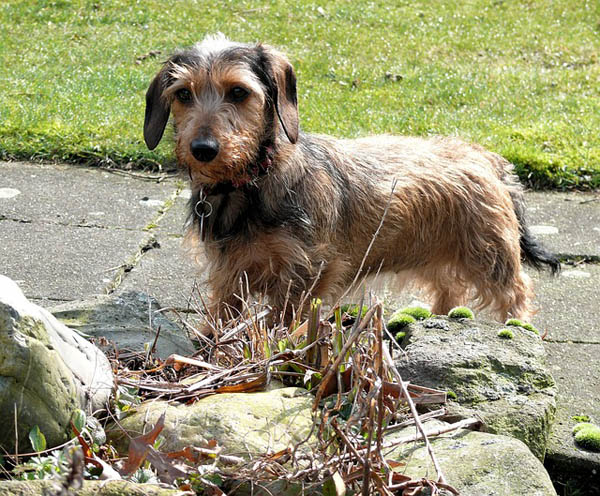
If your dog just yelped out of nowhere and is now refusing to move, that combination is a red flag for a spinal disc injury — and it needs veterinary attention today.
What Is Actually Happening in Your Dog’s Spine?
When a spinal disc herniates, material from inside the disc pushes outward and presses on the spinal cord or the nerves branching off it. That sudden compression triggers an intense pain response — the yelp you heard. Then, because movement makes the pain worse, your dog freezes. The body is doing exactly what it should: protecting the spine. The problem is that if the disc material keeps pressing, the damage can escalate quickly.
IVDD (intervertebral disc disease) is the most common reason a dog yelps and suddenly won’t move, particularly in breeds with long backs and short legs — dachshunds, corgis, beagles, basset hounds, and French bulldogs among them. But it can happen in any dog.
The yelp-and-freeze pattern is so characteristic of acute disc herniation that many neurologists treat it as a strong presumptive sign before any imaging is done.
What Does the Full Picture Look Like?
Beyond the yelp and the stillness, there are other signs that point toward a disc injury. You don’t need to see all of them — even two or three together should send you to the phone.
- Hunched or roached back: The spine curves upward as the muscles tighten to splint the painful area
- Head held low: Especially with neck disc problems — the dog resists lifting their head or turning it to one side
- Trembling or shaking: Not from cold, but from the effort of holding still against pain
- Reluctance to jump or climb: Your dog refuses the couch they normally leap onto without thinking
- Crying when touched along the spine: Even gentle contact over the back or neck triggers a reaction
- Stiff, choppy gait: If they do take a few steps, they move carefully, often with a tucked-up belly
- Hind-leg weakness or wobbling: The legs slip or give out, especially on slick floors
If you’re seeing any leg weakness or instability alongside the yelping, the situation is more urgent. That means the disc material is already affecting nerve function, not just causing pain.
- Hind legs dragging or knuckling under
- Dog cannot stand or walk at all
- Loss of bladder or bowel control
- No reaction when you pinch between the toes on a back paw (this is called deep pain sensation loss — a serious sign)
- Rapid progression: went from yelping to wobbly to collapsed within an hour or two
Neck vs. Back: Why the Location Matters
The location of the disc problem changes what you’ll see. Knowing which region is affected helps you describe the situation clearly to your vet and understand their assessment.
Neck (Cervical) Disc Injuries
Neck disc problems often cause intense pain — sometimes more severe, more sudden, and harder to localize than thoracolumbar injuries. Signs that point to the neck include:
- Head held low and forward, resisting looking up or turning side to side
- Crying when you try to lift the head or touch the neck
- Front-leg weakness or stumbling — the dog may pace with an odd, stiff-legged gait
- Reluctance to eat or drink from a bowl on the floor because bending the neck hurts
Back (Thoracolumbar) Disc Injuries
This is the more common location in long-backed breeds. Signs tend to involve the hind end:
- Hunched posture with a visibly arched back
- Hind-leg weakness, wobbling, or crossing
- Difficulty squatting to urinate or defecate
- Loss of bladder or bowel control in more severe cases
Both locations are serious. Neither is a “mild” problem just because your dog isn’t paralyzed yet.
- Grade 1: Pain only, no weakness — dog yelps but walks normally
- Grade 2: Pain plus mild weakness — wobbly but still ambulatory
- Grade 3: Significant weakness — can’t walk well, may drag legs
- Grade 4: Paralysis with bladder dysfunction, but still has deep pain sensation
- Grade 5: Paralysis and loss of deep pain sensation — the most severe stage
The yelp-and-won’t-move picture you’re describing is most often a Grade 1 or Grade 2 presentation. That’s actually the best window for intervention. For a full breakdown of what each grade means for recovery odds, The 5 IVDD Stages Explained walks through each one clearly.
What to Do Right Now
Do these things in the next few minutes, before your vet appointment.
- Stop all movement. No walks, no stairs, no jumping onto or off furniture.
- Confine your dog to a small, safe space. A crate or a small gated room with non-slip flooring. The goal is preventing any sudden motion.
- Carry your dog if you must move them. Support the chest and hindquarters together so the spine stays level — don’t let the back end hang.
- Call your vet or emergency clinic now. Describe the yelping, the refusal to move, and any leg weakness. They’ll tell you whether to come in urgently or be seen today.
- Do not give any pain medication from your medicine cabinet. Human NSAIDs are toxic to dogs, and even dog-safe options can mask the neurological signs your vet needs to assess.
- Take a short video if your dog tries to walk. Thirty seconds of footage showing their gait, posture, and any leg weakness is enormously helpful for your vet.
- Confine immediately — even a playpen or bathroom works in a pinch
- Keep the environment calm and quiet; stress makes pain worse
- Support the full spine when picking your dog up
- Note when the yelping started and whether it’s gotten worse since
- Bring a video of any walking attempts to your vet appointment
What to Avoid
This is just as important as what to do. Many owners inadvertently make the situation worse in the minutes after that first yelp.
- Don’t let your dog “walk it off.” Movement is not therapeutic at this stage — it can push more disc material into the spinal canal.
- Don’t let them jump down from the couch or bed. That landing impact is particularly dangerous for a partially herniated disc.
- Don’t massage the spine. It feels intuitive, but pressure along a painful, inflamed disc can cause more harm.
- Don’t wait several days to see if it improves. IVDD can deteriorate from mild pain to paralysis within hours. The window for the best outcomes is narrow.
Many caregivers I’ve spoken with say the same thing: “I thought he just pulled a muscle and I’d see how he was in the morning.” By morning, things were significantly worse. Acting the same day matters. For a clear breakdown of whether this is an ER visit or a morning appointment, ER Vet or Wait Till Morning? An IVDD Decision Guide is worth a read.
What Your Vet Will Do
Your vet will perform a neurological exam — checking your dog’s reflexes, their ability to feel a pinch between the toes (deep pain sensation), and how well they place their paws when walking. This exam usually determines whether the case needs imaging and whether surgery is something to discuss.
From there, the path splits into conservative management (strict crate rest, anti-inflammatories, pain relief) or surgical referral, depending on the grade. For a grounded look at how those two paths compare, IVDD Surgery vs. Conservative Care lays it out honestly.
If your dog is sent home for conservative management, IVDD Recovery Days 1–7: The Critical First Week covers exactly what that looks like in practice.
- Complete hind-leg paralysis — dog cannot move back legs at all
- No response to a firm toe pinch on the back paws
- Sudden complete loss of bladder or bowel control combined with paralysis
- Rapid deterioration over minutes or hours — went from yelping to unable to stand
Related Reading
- IVDD Emergency Signs: When to Rush Your Dog to the Vet
- The 5 IVDD Stages Explained: Symptoms & Recovery Odds
- First Aid for IVDD: What to Do Before Reaching the Vet
Frequently Asked Questions
My dog yelped once and now seems stiff — is that an emergency?
It can be. A single yelp followed by stiffness, a hunched back, or reluctance to move is a classic early IVDD presentation. Call your vet the same day — don’t wait to see if it resolves on its own, because disc injuries can worsen within hours.
How do I tell if my dog’s pain is in the neck or the back?
Neck disc injuries typically cause a dog to hold their head low and resist looking up or sideways, sometimes with front-leg weakness or stumbling. Back (thoracolumbar) injuries more often cause a hunched posture, reluctance to jump, and hind-leg weakness or dragging.
Should I give my dog pain medication I have at home while I wait to see the vet?
No. Human NSAIDs like ibuprofen and naproxen are toxic to dogs. Even dog-safe medications can mask symptoms your vet needs to assess neurological grade accurately. Keep your dog still and confined, and call your vet before giving anything.
What is the most important thing to avoid doing when my dog yelps and won’t move?
Avoid letting your dog jump, climb stairs, or move freely. Even a short burst of activity can push a partially herniated disc further into the spinal cord. Confine your dog to a small, safe space immediately and limit all movement until you’ve spoken with a vet.
I know how terrifying that yelp is. Your instinct to search immediately was the right one. Keep your dog still, make that call, and take a breath — catching this at the yelp-and-freeze stage, before any weakness appears, puts you in the best position possible.
This guide is based on real experience and should be used alongside professional veterinary care. Always consult your veterinarian before starting any new treatment or making changes to your dog’s care plan.