Meloxicam and Metacam for IVDD Dogs
Your vet prescribed meloxicam for your IVDD dog — here's what it does, what to watch for, and why the kidney conversation matters more than most owners expect.
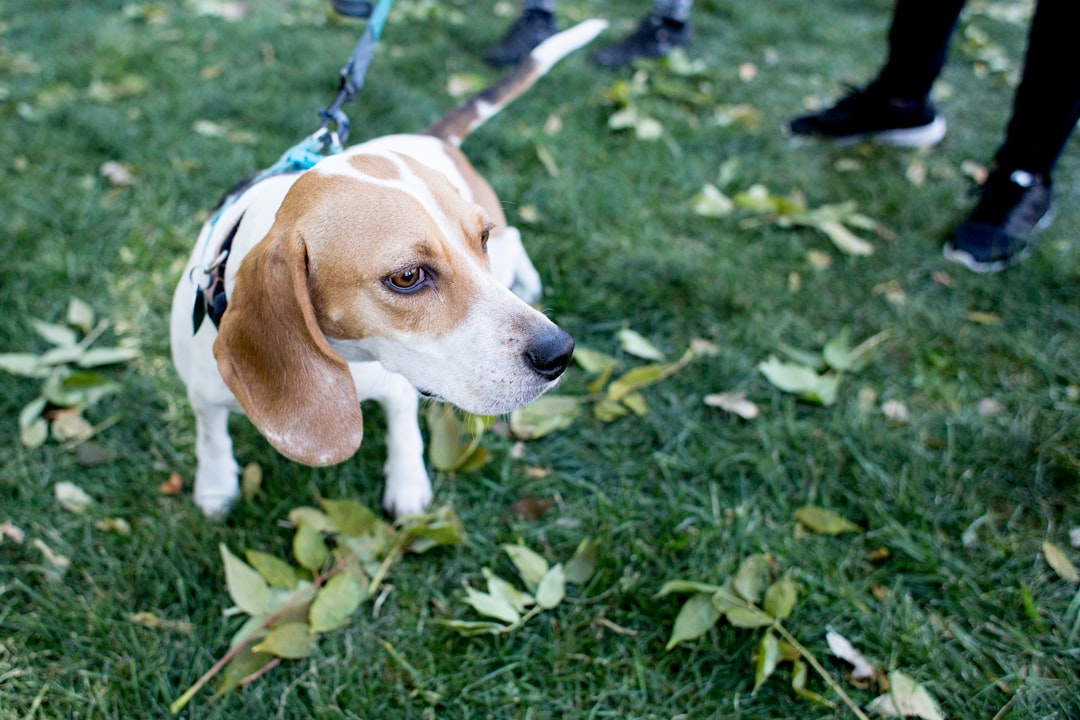
Photo by Audrey Fretz on Unsplash
If your vet just sent you home with meloxicam or Metacam for your IVDD dog, understanding exactly what you’re giving — and what to watch for — is one of the most important things you can do right now.
When Heidi was in her acute IVDD phase, meloxicam was part of her pain management plan for the first stretch of conservative management. I remember staring at that little bottle thinking, “okay, but what is this actually doing?” This guide is the explanation I wish I’d had from day one.
How Does Meloxicam Actually Work?
Meloxicam reduces pain and inflammation by blocking enzymes called COX-1 and COX-2 — specifically, it targets COX-2 more selectively than older NSAIDs. COX enzymes produce prostaglandins, which are signaling chemicals that cause the swelling, heat, and pain that follow a disc injury.
In plain terms: when a disc herniates in an IVDD dog, the surrounding tissue becomes inflamed and that inflammation amplifies pain signals. Meloxicam dials down that chemical cascade. It doesn’t fix the underlying disc problem, but it makes the inflammatory response less intense — which means less pain and, theoretically, a better environment for nerve healing.
The COX-2 selectivity matters because COX-1 enzymes also help protect the stomach lining. Older, less selective NSAIDs like aspirin hit both equally, which is why they’re so hard on the GI tract. Meloxicam is gentler — but “gentler” isn’t the same as “safe without precautions.” The stomach protection still applies.
- Metacam is the original brand-name oral suspension made by Boehringer Ingelheim
- Generic meloxicam is the same active ingredient at a lower price point
- Generic tablets are available at most human pharmacies with a vet prescription
- The Metacam oral liquid comes with a dosing syringe — useful for tiny dogs where precision matters
- Both are equally effective; your vet may prefer one over the other for dosing accuracy
What Does a Typical Dose Look Like?
The dose varies based on your dog’s weight and the formulation prescribed. Meloxicam is typically dosed once daily, which is one of its advantages over some other pain medications. There’s usually a slightly higher “loading dose” on day one, followed by a lower maintenance dose from day two onward — though not every vet uses this approach.
I’m not going to list specific milligram amounts here, because getting the dose right for your dog’s exact weight requires your vet’s calculation. What I will say is this: more is not better with NSAIDs. Giving an extra dose “because she seems to be in more pain today” is one of the most common mistakes that leads to GI emergencies. If you feel the current dose isn’t managing pain adequately, that’s a conversation for your vet — not a reason to double up at home.
For context on where meloxicam fits in the broader picture of IVDD pain management, the IVDD medications overview covers the full medication toolkit your vet might draw from.
The Kidney and Liver Conversation
This is the part most owners hear at the pharmacy counter and then promptly forget. Please don’t.
Meloxicam is metabolized (processed) by the liver and excreted through the kidneys. That means extended use puts both organs under additional load. In a young, healthy dog with no pre-existing kidney or liver disease, short-term meloxicam use is generally well-tolerated. But in older dogs, dogs with any history of kidney issues, or dogs on other medications, the picture gets more complicated.
Your vet should run baseline bloodwork before starting meloxicam if the course will be longer than a few days, and follow-up bloodwork if your dog is on it for several weeks. The specific values they’re watching are kidney markers (BUN and creatinine) and liver enzymes (ALT and ALP). If those numbers drift outside normal range, the medication may need to be adjusted or stopped.
If your vet hasn’t mentioned bloodwork and your dog has been on meloxicam for more than a few weeks, it’s worth asking. Not because something is necessarily wrong — but because catching a problem early is always better than finding it after the fact.
- Vomiting — especially repeated or with blood
- Black, tarry, or unusually dark stools (this indicates GI bleeding — call your vet immediately)
- Loss of appetite or refusing food
- Drinking significantly more water than usual
- Urinating much more or much less than normal
- Pale gums or visible weakness
Always Give With Food
This is the single most practical thing you can do to protect your dog’s stomach while they’re on meloxicam: give it with a meal, every time. Not a tiny treat — an actual meal, or at minimum a good handful of food.
NSAIDs can irritate the stomach lining even when dosed correctly, and an empty stomach makes that irritation significantly worse. If your dog is on strict crate rest and eating less enthusiastically than normal (which is common with IVDD dogs in pain), make sure they’ve actually eaten before the dose goes down.
If your dog genuinely won’t eat before a dose, that’s worth flagging with your vet. Sometimes an additional stomach-protective medication called a proton pump inhibitor (like omeprazole) is added alongside the NSAID to reduce GI risk.
Why You Cannot Mix Meloxicam With Steroids
This comes up constantly in IVDD situations because both steroids (like prednisone) and NSAIDs like meloxicam are used for spinal inflammation — just through different pathways. The critical rule: you cannot give both at the same time.
Combining an NSAID with a corticosteroid dramatically increases the risk of gastrointestinal ulceration and bleeding. When vets switch from one to the other, there’s typically a washout period of 24–48 hours (sometimes longer, depending on the steroid) before starting the new medication.
If you were given prednisone in the ER and then sent home with meloxicam from your regular vet without explicit transition instructions, call and ask. Don’t assume the handoff was communicated clearly between clinics. The prednisone for IVDD dogs article goes deeper on the steroid side of this equation if you want to understand the comparison.
- Prednisone, prednisolone, dexamethasone, or any corticosteroid
- Aspirin or any human NSAID (ibuprofen, naproxen, etc.)
- Another veterinary NSAID (Rimadyl/carprofen, Previcox/firocoxib, Deramaxx/deracoxib)
- Always tell your vet about every supplement and medication your dog is taking — some fish oil doses at therapeutic levels may also interact
What the Owner Experience Is Really Like
In practice, most dogs tolerate meloxicam well for the short courses typically used in acute IVDD management. Heidi didn’t have any GI side effects during her course, though I was paranoid enough to check her stools for the first week.
What I’ve heard from other IVDD caregivers is that the first few days sometimes bring a bit of soft stool or mild stomach gurgling, which often settles once the dog is consistently eating before the dose. The ones who run into real trouble are usually dogs who were given the medication on an empty stomach, dogs who were given too high a dose, or dogs who had underlying kidney issues that weren’t caught beforehand.
The question many owners ask is whether they can just stop the medication if their dog seems better. Generally, yes — unlike steroids, meloxicam doesn’t require a taper. But “seems better” during conservative management can be deceptive. A dog who’s less painful may try to move more, and movement during the critical rest period can set back recovery. Check the IVDD conservative management guide if you’re navigating that balance.
- Give the dose with a full meal, at the same time every day
- Never give a double dose if you miss one — skip it and resume the next day
- Keep a simple log: date, dose, whether your dog ate, and any symptoms
- Store it away from heat and check the expiration date
- Report any change in drinking, urination, or stool color to your vet promptly
Related Reading
- IVDD Medications Explained: Steroids, Gabapentin & More
- Prednisone for IVDD Dogs: What Every Owner Should Know
- IVDD Without Surgery: Conservative Management That Works
Frequently Asked Questions
Can I give my dog meloxicam with food?
Yes — and you should. Giving meloxicam with a meal significantly reduces the risk of stomach upset and GI irritation. Even a small amount of food is better than giving it on an empty stomach.
How long can a dog stay on meloxicam?
That depends on the individual dog, the reason it’s prescribed, and how their kidneys and liver are holding up. For IVDD pain, it’s often used short-term during the acute phase. Long-term use is possible but requires periodic bloodwork to monitor organ function — your vet will guide the timeline.
What’s the difference between Metacam and generic meloxicam?
Metacam is the brand name; meloxicam is the active ingredient. Both work the same way. Generic meloxicam is typically less expensive and widely available at human pharmacies with a veterinary prescription. Some vets prefer the Metacam oral suspension because the dosing syringe makes accurate small-dose delivery easier for tiny dogs.
Can I give my dog ibuprofen instead of meloxicam?
Never. Ibuprofen, naproxen, and other human NSAIDs are toxic to dogs even in small doses. Meloxicam is veterinary-formulated with a safe dose range for dogs. Human NSAIDs can cause severe GI bleeding, kidney failure, and death in dogs.
This guide is based on real experience and should be used alongside professional veterinary care. Always consult your veterinarian before starting any new treatment or making changes to your dog’s care plan.