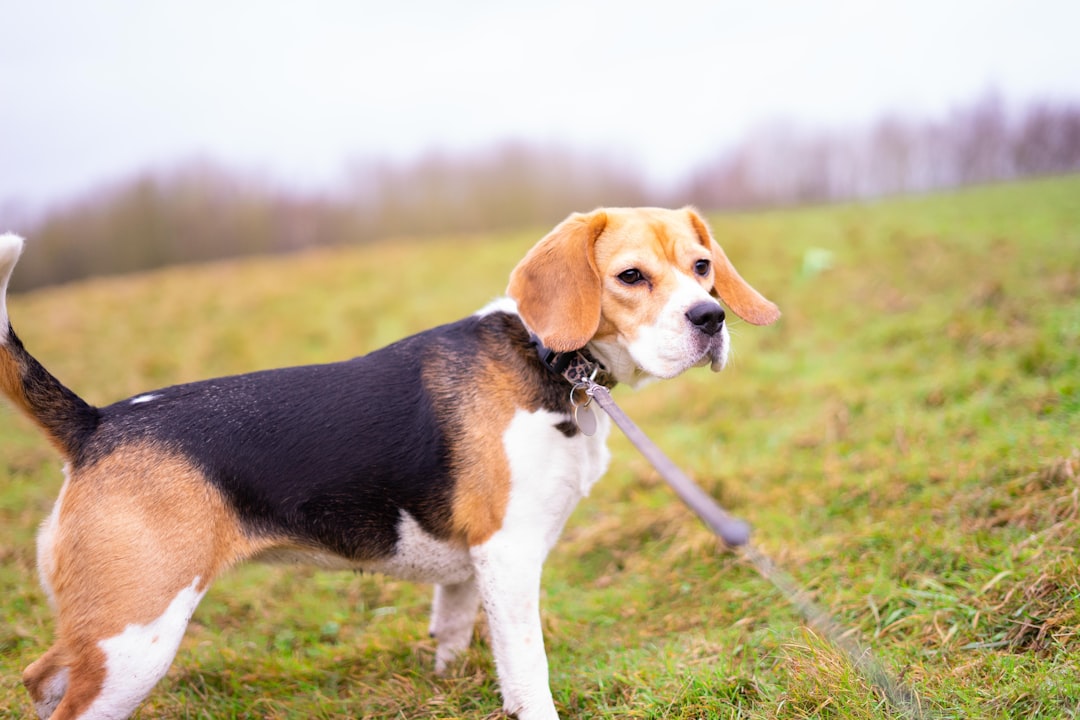
Managing an IVDD dog in a multi-dog home is one of the most exhausting logistical puzzles caregivers face — but it is absolutely doable with the right systems in place.
When Heidi was in the thick of her IVDD recovery, one of my biggest stressors wasn’t the medications or the bladder care — it was managing the energy of the other living creatures in my house. Even calm dogs can be unpredictable. A rowdy sibling makes crate rest feel like a three-ring circus. If you’re in that situation right now, I want you to know that it gets more manageable once you have a system. Here’s everything I’ve learned.
Why Separation Matters More Than You Think
Physical separation during IVDD recovery is not just a nice-to-have — it is part of your dog’s medical protocol. A disc injury leaves the spine vulnerable. Even a dog who means absolutely no harm can cause a serious setback with one enthusiastic body slam or surprise leap onto a resting dog’s back.
IVDD grades 1 through 5 each carry different risks, but across all of them, the shared recommendation from vets and neurologists is strict rest and controlled movement. The sibling dog does not understand this. It is your job to engineer the environment so that danger cannot happen, regardless of good intentions on anyone’s part.
The first week, especially, is brutal. Your IVDD dog may be in pain, medicated, and confused. Your other dog can smell that something is wrong and may be anxious, clingy, or amped up in response. Getting the separation system right in those first 72 hours makes every subsequent week more manageable.
- Any jumping onto, stepping over, or collision with an IVDD dog mid-recovery can cause a setback or reinjury
- This applies even to gentle, well-meaning sibling dogs — intent does not change physics
- Supervised time together should not happen until your vet explicitly says activity can increase
How Do You Set Up Separation at Home?
The most effective separation system for a multi-dog home during IVDD recovery uses layered barriers — not just a closed door, but a physical structure the sibling dog cannot breach.
Baby Gates and Exercise Pens
A pressure-mounted baby gate works for most situations, but if your sibling dog is a jumper or a pusher, stack two gates or use a tall exercise pen folded into a barrier. Dedicate one room or one corner of a room entirely to your IVDD dog. That space should have their crate, their water, their medication supplies, and nothing that would require you to carry them out unexpectedly.
For the IVDD dog’s crate itself, the medium dog cage Heidi used during her crate rest is worth considering — it’s solid, doesn’t rattle when another dog brushes past it, and doesn’t require awkward assembly when you’re already running on no sleep.
Feeding Separately
Feed your dogs in completely different spaces and pick up bowls immediately after meals. Food is a reliable excitement trigger for most dogs, and the last thing you need is your sibling dog bolting toward the kitchen with your IVDD dog standing vulnerable in the middle of the floor.
Feed the sibling first if needed to keep them calm, then attend to your IVDD dog without distraction. Slow feeders or puzzle feeders for the sibling can extend the meal window and keep their focus occupied.
Walking Separately
Separate walks are non-negotiable during recovery. Your IVDD dog’s walks are short, controlled, and purposeful — often just a slow lap around the yard for bathroom purposes. The sibling needs real exercise, which means you are now doing double duty.
If you have a partner, split the duty. If you’re solo caregiving, walk the sibling first to take the edge off their energy, then take your IVDD dog out on a leash for their brief outing. Do not attempt tandem walks with a dog who pulls or lunges. One sudden jerk of the leash to your IVDD dog is enough to cause real harm.
- Separate feeding zones with bowls removed after meals
- Individual walks on leash — no tandem outings during recovery
- Dedicated safe room or pen for the IVDD dog, unreachable by the sibling
- Sibling dog’s exercise needs met separately so their energy doesn’t build up
What If the Sibling Dog Caused the Injury?
This is more common than people talk about. A dog gets tackled in the yard, lands wrong, and the next morning can barely stand. And now you are caring for the injured dog while also living with the dog who caused it.
The guilt you feel on behalf of the sibling is understandable. But that dog acted like a dog. They played too hard, or jumped at the wrong moment, or landed with all their weight on a spine that was already vulnerable. They did not do it to be malicious. And they have no idea that anything is wrong.
What matters now is acknowledging that the household structure going forward needs to change permanently — not just during recovery. IVDD dogs have compromised discs that are at risk for future episodes. Rough play, wrestling, jumping, and high-speed chasing are off the table for the long term. If the sibling is a high-drive dog who lives for exactly that kind of play, you need to find other outlets for them: fetch, training sessions, sniff walks, solo runs — energy expenditure that doesn’t involve body contact with your IVDD dog.
The Reintroduction Phase
Most dogs can begin carefully supervised shared time once the vet clears your IVDD dog for increased activity. That timeline varies, but many owners begin cautious reintroduction somewhere around the six-week mark — always following the specific guidance of their vet.
Reintroduction should be leashed, slow, and in a neutral space where neither dog is resource-guarding anything.
Here is the framework I’d recommend:
- Start with parallel presence. Both dogs in the same room, both on leash, both calm. No interaction yet — just proximity.
- Allow a brief greeting. Sniffing is fine. Watch for any signs of over-excitement in the sibling: stiff posture, hard stare, beginning of play-bow leading into a charge.
- End on a calm note. Do not let the greeting escalate. End the session while both dogs are relaxed, not when things start getting rowdy.
- Gradually extend time together. Add a few minutes each day, always supervised, always ready to separate.
- Never leave them unattended together. This is a permanent rule for many IVDD households, not just a recovery-phase precaution.
- Both dogs are relaxed and not fixating on each other
- Sibling dog greets calmly without jumping or initiating rough contact
- IVDD dog moves freely without flinching away or guarding themselves
- You can redirect the sibling dog’s attention easily if things escalate
Long-Term Household Management
Once recovery is behind you, the goal is not to return to how things were. IVDD dogs need a permanently modified environment — and preventing a second episode means keeping rough play off the table for good.
In practical terms, this means:
- No unsupervised access together. Especially if your sibling dog has a history of rough play.
- Gates stay up. Not as punishment — as structure. The safe zones you created during recovery can become the normal layout of your home.
- Teach the sibling dog a “leave it” or “off” cue. A dog who can be reliably called off is a much safer companion for an IVDD dog.
- Watch for resource competition. Toys, resting spots, your attention — any of these can trigger a scuffle. Manage them proactively.
- Know your IVDD dog’s signals. If they are flinching away, seeking escape, or showing stress behaviors around the sibling, that is information. Take it seriously.
Many families manage this beautifully for years. The dogs learn the new rules. The sibling settles down. Life finds a rhythm. But it requires you to keep paying attention rather than assuming everything has returned to normal just because recovery is over.
- Your IVDD dog was knocked down or landed on by the sibling during recovery
- Any sudden return of weakness, wobbling, or dragging that wasn’t present before
- Yelping, flinching from touch, or complete refusal to move after a contact incident
- These may signal a setback or second episode — do not wait and see
Related Reading
- Crate Rest for IVDD Dogs: A Survival Guide
- IVDD Dog and Small Kids in the House
- Preventing IVDD Relapse: 5 Rules I Follow
Frequently Asked Questions
Can my other dog hurt my IVDD dog during recovery?
Yes. Even a gentle nudge to the back or a surprise jump can cause a serious setback during the critical weeks after an IVDD episode. Physical separation is not optional during crate rest — it is part of the medical protocol.
How long do I need to keep them separated?
Typically through the full crate rest period, which is often 4–8 weeks depending on the grade and whether surgery was involved. Your vet sets that timeline — reintroduction should only begin once your IVDD dog is cleared for increased activity.
What if my sibling dog was the one who caused the injury?
Guilt is a normal reaction, but the sibling dog did not act with intent. What matters now is restructuring the environment so rough play is not possible going forward — which means permanent management changes, not just a recovery phase.
Will my dogs ever be able to play together again?
Many do. The goal is supervised, calm interaction rather than the rough wrestling that’s risky for any IVDD dog long-term. IVDD dogs can and do live happily alongside other dogs — the game just has new rules.
Managing a rowdy sibling while an IVDD dog recovers is genuinely hard, and if you’re doing it solo, it is even harder. But you are not the first caregiver to pull this off, and you will find your rhythm. The system matters more than perfection — every day you keep your IVDD dog safe is a good day.
This guide is based on real experience and should be used alongside professional veterinary care. Always consult your veterinarian before starting any new treatment or making changes to your dog’s care plan.