Paralyzed IVDD Dog: A Real Daily Routine
What does daily care for a paralyzed IVDD dog actually look like? A realistic routine covering bladder care, skin checks, meals, and wheelchair time.
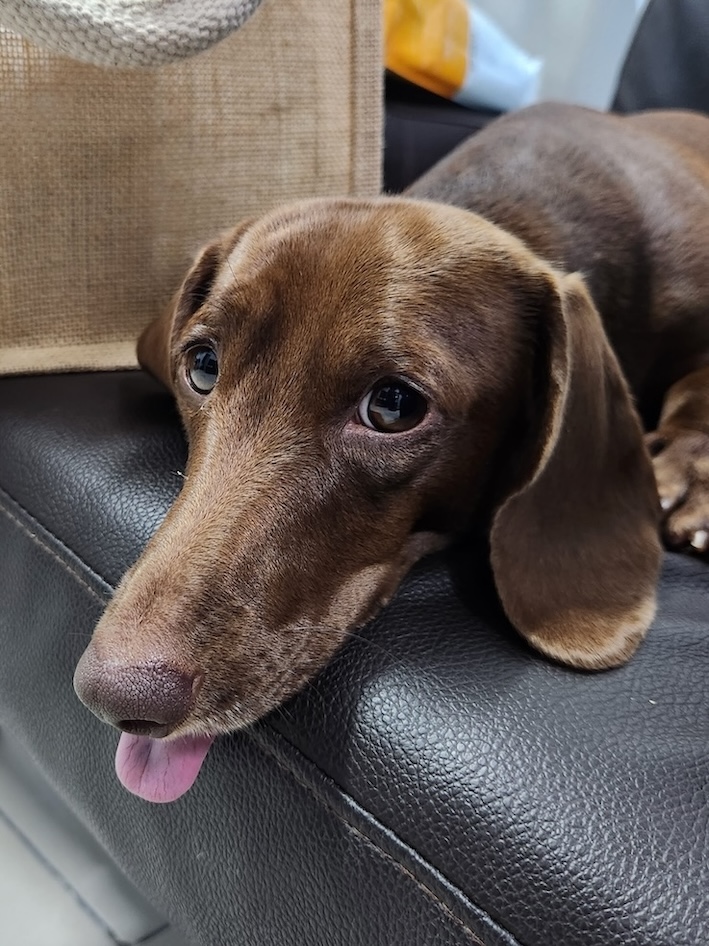
A paralyzed IVDD dog can live a full, joyful life, but it takes a consistent daily routine to make that possible.
When a dog loses the use of their hind legs to IVDD, the first question most owners ask is whether life is still worth living. I’ve heard from so many caregivers who are terrified they’re being selfish by keeping their dog going. What I can tell you (from years inside the disabled dog community) is that dogs are remarkably present. They don’t mourn their old life the way we do. What they need is an owner who shows up every single day with a plan.
What Does a Typical Day Actually Look Like?
A realistic day for a paralyzed IVDD dog is built around a handful of anchor tasks that repeat every morning, midday, and evening. Missing any of them, especially bladder expression, can lead to serious complications like urinary tract infections or bladder damage within days. The routine isn’t optional; it’s the entire foundation of your dog’s health.
Here’s the framework most caregivers work from:
Morning (first thing, before your own coffee):
- Bladder expression or diaper check: Empty the bladder manually or check and change any incontinence diaper
- Skin and bedding check: Look for wet spots, redness, or early pressure sore formation
- Feeding and medications: Timed consistently to help regulate bowel movements
- Passive range-of-motion exercises: 5–10 minutes of gentle joint movement while the dog is calm
- Wheelchair session: 15–30 minutes of supervised mobility time
Midday:
- Bladder expression: The one task that genuinely can’t be skipped
- Position change: Reposition your dog if they’ve been lying in the same spot
- Short enrichment break: Sniff mat, chew, or lap time
Evening:
- Bladder expression and diaper change
- Skin check, especially hips, elbows, and sternum
- Second wheelchair session (optional but beneficial)
- Bedding check: Fresh pads underneath; dry and clean
- Anchor bladder expressions to things you already do (wake-up, lunch break, bedtime)
- Prep your supplies: wipes, pads, Vaseline, diapers, in one dedicated station so each session takes under 5 minutes
- Write the schedule out for anyone who helps care for your dog; consistency between caregivers matters enormously
How Do I Handle Bladder and Bowel Care Every Day?
Bladder expression is the single most important daily task for a paralyzed dog. Most paralyzed IVDD dogs cannot voluntarily empty their bladder, which means manual expression (gently applying pressure to the bladder through the abdomen) must happen every 6–8 hours without fail. I have a full walkthrough on the technique in my bladder expression guide for IVDD dogs, which I’d strongly encourage you to read and practice with your vet before you’re on your own at home.
For day-to-day management, dog diapers are a practical tool, especially overnight and during wheelchair sessions when you can’t watch every second. Between expressions, I also wipe down the skin with dog-safe wipes and apply a thin layer of Vaseline around any diaper contact areas to prevent chafing and urine scald.
Bowel management is often more variable. Many paralyzed dogs still have reflex defecation (the bowel empties on its own), while others need gentle manual stimulation or dietary adjustments to stay regular. Work with your vet to find the right fiber balance. A stool that’s too soft is very difficult to manage with a dog in diapers; a stool that’s too hard creates straining and discomfort.
- Cloudy, dark, or foul-smelling urine
- Blood in the urine
- Fever, lethargy, or loss of appetite alongside bladder changes
- Urine that’s difficult to express or the bladder feels unusually firm
Paralyzed dogs are highly prone to urinary tract infections. If you notice any of these signs, contact your vet the same day. UTIs can escalate quickly in dogs who can’t fully empty their bladders.
Skin Care and Pressure Sore Prevention
Paralyzed dogs can’t shift their weight or reposition themselves the way healthy dogs do, which means pressure sores (also called decubital ulcers) are a constant risk. The bony prominences to check every single day are the hips (greater trochanter), the outer elbows, the sternum, and the sides of the ankles.
What you’re looking for is any area of redness, hair loss, warmth, or skin that feels thickened compared to the surrounding tissue. Early redness caught in the first day or two is almost always reversible with better padding and repositioning. Left for a week, it can become an open wound that takes months to heal.
Practical prevention checklist:
- Memory foam bedding: Distributes weight more evenly than standard dog beds; a thick foam mattress topper works just as well as expensive purpose-made beds
- Waterproof liner under bedding: Wet skin breaks down fast — keep it dry
- Repositioning every 2–4 hours: If your dog sleeps heavily, set a gentle alarm at night until you’ve assessed their skin tolerance
- Daily inspection: Run your hands over all bony areas as part of your morning routine — it takes 60 seconds and catches problems early
For detailed guidance on treating early sores, the pressure sores guide for paralyzed dogs is the most thorough resource I’ve found.
Wheelchair Time and Mobility
A wheelchair transforms a paralyzed IVDD dog’s life. Most dogs take to their cart within a few sessions — the look on their face when they realize they can move again is something you’ll never forget. If you’re still deciding whether a wheelchair is the right fit or wondering about timing, my IVDD wheelchair guide covers everything from sizing to training.
Start with short sessions, 10 to 15 minutes, and gradually build toward 20–30 minutes twice a day as your dog builds strength and stamina. Watch for signs of fatigue: slowing down, stopping, or leaning heavily to one side. Always supervise wheelchair time; unsupervised use can lead to tipping and injury.
Between wheelchair sessions, passive range-of-motion (PROM) exercises keep joints flexible and stimulate circulation. With your dog lying on their side, gently flex and extend each hind leg through its natural range of movement, 10 repetitions per joint, once or twice daily. This also tends to be a calm, bonding moment for both of you.
- Urine is pale yellow and expresses easily at each session
- Skin over bony prominences stays pink and intact
- Your dog is alert, interested in food, and engaged with their environment
- Bowel movements are regular and formed
- Your dog shows visible excitement when the wheelchair comes out
The Emotional Side Nobody Talks About
Caregiving for a paralyzed dog is rewarding, and it’s also hard. There will be days when you’re exhausted before 8am, when a UTI shows up out of nowhere, when the laundry pile of soiled pads feels never-ending. That’s real, and it’s okay to name it.
What helps, in my experience and from talking to other long-term caregivers, is focusing on what your dog is actually telling you. Paralyzed dogs who are well-managed eat enthusiastically, seek out their favorite people, wag their tails, and find joy in sniffing and exploring during wheelchair time. Quality of life isn’t measured in leg function; it’s measured in engagement and comfort. And with a good routine, you give your dog both.
Related Reading
- IVDD Stage 4 & 5: Care Guide for Paralyzed Dogs
- Bladder Expression for IVDD Dogs: Step-by-Step
- Pressure Sores in Paralyzed Dogs: Prevention & Care
- Looking for a rehab vet near you? Our IVDD specialist finder lists practices with PT, hydrotherapy, and conservative-care experience by state.
Frequently Asked Questions
Can a paralyzed IVDD dog have a good quality of life?
Yes. Many paralyzed IVDD dogs live happy, comfortable lives for years. They don’t grieve the loss of leg function the way humans imagine. With consistent daily care, a good wheelchair, and proper bladder management, quality of life can be genuinely excellent.
How often does a paralyzed dog need bladder expression?
Most paralyzed dogs need manual bladder expression every 6–8 hours, though your vet will guide you to the right schedule for your dog. Skipping or stretching expressions increases the risk of urinary tract infections and bladder overdistension.
How do I prevent pressure sores on my paralyzed IVDD dog?
The key is a combination of good bedding (memory foam or thick orthopedic padding), frequent repositioning every few hours when resting, keeping skin clean and dry, and checking bony prominences daily. Catching early redness and treating it immediately prevents deep wounds.
Do paralyzed IVDD dogs need physical therapy?
Passive range-of-motion exercises are widely recommended even for permanently paralyzed dogs. They help maintain joint flexibility, improve circulation, and are calming for the dog. A canine rehab therapist can show you exactly which movements to do at home.
This guide is based on real experience and should be used alongside professional veterinary care. Always consult your veterinarian before starting any new treatment or making changes to your dog’s care plan.