IVDD vs Back Injury: How to Tell the Difference
Your dog yelped and won't move — but is it IVDD or a muscle strain? The key signs I look for, and what to ask your vet right away.
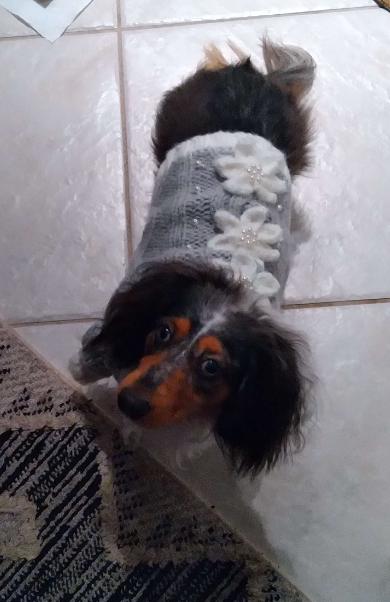
If your dog suddenly yelped, hunched their back, or stopped wanting to move, the question you need answered fast is: is this IVDD, or could it be a simpler back injury?
I know exactly how terrifying that moment is. One wrong step, a sudden cry, and you’re standing there trying to figure out how serious this really is. The frustrating truth is that IVDD (intervertebral disc disease) and a plain muscle or soft tissue injury can look surprisingly similar in those first hours. But there are specific signs that point toward one over the other, and knowing what to look for can help you act faster and ask your vet the right questions.
What Are We Actually Comparing?
Before we get into the signs, it helps to understand what each condition actually is.
IVDD happens when the cushioning discs between the vertebrae of the spine degenerate and either bulge or rupture (herniate) into the spinal canal. That disc material presses on the spinal cord or nerve roots, causing pain, and potentially nerve damage. It’s most common in chondrodystrophic breeds (those bred to have short legs and long spines) like dachshunds, Corgis, Basset Hounds, and French Bulldogs.
A back strain or soft tissue injury involves the muscles, tendons, or ligaments surrounding the spine, not the spinal cord itself. It’s painful, yes, but there’s no disc pressing on neural tissue, which makes a critical difference in how the injury behaves.
- Dachshunds (by far the highest risk, up to 25% are affected, according to the Merck Veterinary Manual)
- French Bulldogs and Bulldogs
- Basset Hounds, Beagles, Shih Tzus, Lhasa Apsos
- Corgis (Pembroke and Cardigan)
- Any dog with a long back and short legs
What Does a Simple Back Strain Look Like?
A muscle strain is painful, and a dog with one will definitely tell you about it. Common signs include:
- Back tenderness: Your dog flinches or tenses when you touch a specific area of their back.
- Stiffness: They move carefully, especially first thing in the morning or after lying down.
- Reluctance to jump or climb stairs: They hesitate but can usually still manage it slowly.
- Hunched posture: The back may be slightly arched, and the dog moves carefully.
- Yelping during certain movements: Especially twisting, jumping, or being picked up.
The thing about a muscle strain is that the legs usually work fine. The dog is sore, maybe very sore, but they’re walking normally, they’re not wobbling, and their bladder and bowel control are intact.
How Is IVDD Different?
With IVDD, especially as it progresses beyond mild, you start seeing signs that go beyond simple pain. These are the ones that should immediately shift your concern level:
- Neurological weakness: The back legs look weak, wobbly, or uncoordinated. This is called ataxia, and it means the spinal cord is involved.
- Knuckling: The paw turns under and the dog walks on the top of their foot instead of the pad, a sign of nerve dysfunction. I have a detailed overview of this in Knuckling in Dogs: Causes, Care & Prevention.
- Paralysis or dragging: In severe cases, the dog can’t move one or both back legs at all.
- Loss of bladder or bowel control: This is a serious neurological red flag. If your dog suddenly can’t control when they go, treat this as an emergency.
- Pain that’s out of proportion: IVDD pain can be intense. Dogs sometimes scream when touched or moved in ways that seem minor.
- Rapid worsening: A muscle strain doesn’t typically get dramatically worse hour by hour. IVDD can.
- Any weakness, stumbling, or dragging of the rear legs
- Knuckling (walking on the top of the paw)
- Sudden loss of bladder or bowel control
- Symptoms worsening within hours, not improving
- Total rear leg paralysis — even briefly
Does Your Dog’s Breed Change the Calculus?
Absolutely yes. If you have a dachshund, Corgi, or French Bulldog and they’re showing even mild back pain, I’d lean toward treating it as IVDD until proven otherwise. These breeds have structurally different discs that are prone to early degeneration, sometimes starting in young adulthood. A “simple back strain” in a three-year-old dachshund warrants a lot more urgency than the same presentation in a Labrador.
That’s not to say Labs and other non-chondrodystrophic breeds can’t get IVDD — they can, and it can be severe — but the baseline risk is different, and that context matters for how quickly you act.
What to Ask Your Vet
Getting a fast, accurate diagnosis matters enormously with spinal issues, because time affects outcomes. Here are the specific questions worth asking:
- “Can you do a neurological exam right now?” A good neuro exam checks reflexes, muscle tone, pain responses, and the dog’s ability to feel deep pressure. This is different from just watching them walk.
- “Do you think this is disc-related or a soft tissue injury, and what signs are pointing you one way or the other?”
- “Should we be considering imaging? What are we looking for on X-ray vs. MRI?”
- “Is there a risk this could get worse quickly, and what should I watch for at home?”
- “What activity restrictions should I put in place right now, before we have a diagnosis?”
X-rays can sometimes reveal calcified discs or narrowed disc spaces that suggest IVDD, but they can’t show soft tissue directly. An MRI is the definitive tool: it shows exactly where a disc has herniated and how much pressure is on the spinal cord. If surgery is being discussed, an MRI is almost always required first.
- Restrict activity immediately — no jumping, running, or stairs until you see a vet
- Don’t pick your dog up under the belly in a way that bends their spine — support both ends
- Keep a note of exactly when symptoms started and whether they’ve changed
- If you see any leg weakness or bladder issues, call an emergency vet, not your regular clinic’s next available slot
What Happens After Diagnosis?
If it turns out to be a muscle strain, the typical treatment is rest, pain management, and gradual return to normal activity. Most soft tissue injuries respond well within a couple of weeks.
If it’s IVDD, the next decisions are bigger: whether to pursue conservative management (strict crate rest plus medication) or surgery. That decision depends on the severity of the neurological signs, the dog’s history, and how quickly they’re worsening. I’ve written about the nuances of that choice in IVDD Surgery vs. Conservative Management: How to Make the Right Call, and if you’re in that moment right now, it’s worth reading.
If your dog is already showing signs like paralysis or rapid worsening, please read IVDD Emergency Signs: When to Rush Your Dog to the Vet before anything else.
- Complete rear leg paralysis (even if it came on suddenly and then seemed to improve)
- No bladder or bowel control at all
- Screaming or extreme distress when touched
- Rapid progression from mild signs to severe in under 12 hours
The window for intervention in severe IVDD, particularly for preserving the ability to walk, can be narrow. The Merck Veterinary Manual notes that dogs who undergo surgery within 24–48 hours of losing the ability to walk tend to have better outcomes than those who wait. Don’t let uncertainty about what you’re dealing with cause dangerous delay.
Related Reading
- IVDD in Dogs: Early Symptoms Every Owner Should Watch For
- IVDD Emergency Signs: When to Rush Your Dog to the Vet
- Just Diagnosed with IVDD: What to Do in the First 72 Hours
- It’s worth knowing where your nearest board-certified neurologist is before you need one — our IVDD specialist finder lets you search by state.
If your dog is in pain right now and you’re not sure what you’re looking at — trust your gut. You know your dog. If something feels wrong, it probably is. Get them seen today, bring your notes, and ask for a neurological exam specifically. You are their best advocate, and the fact that you’re already asking the right questions puts you ahead of where most of us were in that terrifying first hour.
Frequently Asked Questions
Can a dog have a back injury without IVDD?
Yes. Dogs can strain back muscles or sprain spinal ligaments just like humans can, and these injuries often look similar to mild IVDD at first. The key difference is that muscle strains don’t typically cause neurological symptoms like wobbling, knuckling, or weakness in the legs.
How quickly does IVDD progress compared to a muscle strain?
A muscle strain usually peaks within 24–48 hours and then begins improving, especially with rest. IVDD can worsen rapidly, sometimes within hours, because disc material pressing on the spinal cord causes progressive nerve damage. Any worsening after 24 hours is a serious warning sign.
What tests does a vet use to diagnose IVDD?
A neurological exam is usually the first step: your vet will assess reflexes, limb strength, and pain sensation. Imaging like X-rays can suggest disc changes, but an MRI is considered the gold standard for confirming disc herniation and its exact location.
Should I wait to see if my dog improves before going to the vet?
For a suspected back injury with no neurological signs, a same-day vet appointment is appropriate. If you see any leg weakness, stumbling, knuckling, or loss of bladder control, treat it as urgent and get to an emergency vet. Don’t wait overnight.
This guide is based on real experience and should be used alongside professional veterinary care. Always consult your veterinarian before starting any new treatment or making changes to your dog’s care plan.