IVDD Surgery vs. Conservative Care: How to Decide
IVDD Grades 1–5 explained, when surgery is urgent vs. optional, recovery odds, and how we made the call for Heidi when minutes felt critical.
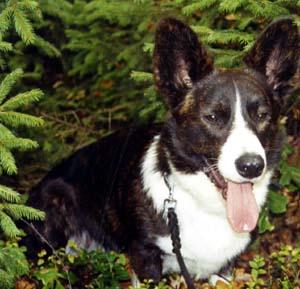
The surgery-vs.-conservative-care decision is one of the hardest moments in IVDD caregiving, and how you decide matters just as much as what you decide.
When your dog gets an IVDD diagnosis, most people get hit with two things at once: a flood of scary medical information and a pressure to make a major decision fast. Surgery or no surgery. Thousands of dollars or strict crate rest. Neurologist now or wait and see.
I remember sitting on the floor of an emergency vet at 11pm with Heidi, completely overwhelmed, nodding along to things I didn’t fully understand. If I could go back and hand myself a plain-English guide to this exact decision, it would look something like this.
What IVDD Actually Does to Your Dog’s Spine
IVDD (intervertebral disc disease) happens when one of the cushioning discs between your dog’s vertebrae (the bones of the spine) bulges, ruptures, or herniates. That disc material then presses on the spinal cord, causing pain, weakness, and sometimes paralysis.
The severity of that compression is what drives the surgery conversation. Vets use a grading system, typically Grades 1 through 5, to describe how serious the neurological damage is:
- Grade 1: Pain only. Your dog is uncomfortable but moving normally.
- Grade 2: Weakness or wobbly walking (called ataxia). Can still walk, but something’s clearly off.
- Grade 3: Can’t walk without support, but still has some voluntary movement in the legs.
- Grade 4: Paralyzed, but still feels deep pain (when you pinch a toe firmly, they react).
- Grade 5: Paralyzed, and no deep pain response. This is the most serious grade.
That deep pain test (where a vet pinches the toes firmly enough to check for a conscious reaction, not just a reflex) sounds brutal, but it’s one of the most important pieces of information in this entire decision. If you want to understand more about what that test actually measures, I’ve written about deep pain perception in dogs in more detail.
- Loss of deep pain sensation means severe spinal cord compression
- Surgery within 24–48 hours gives the best chance of recovery
- After 48 hours without deep pain, the odds of walking again drop significantly
- If your vet mentions “no deep pain,” ask about emergency surgical referral immediately
When Surgery Is the Clearest Answer
I’m not going to sugarcoat this: there are situations where surgery isn’t really optional if you want your dog to have a realistic shot at walking again.
Surgery is typically the strongest recommendation when:
- Your dog is Grade 4 or 5, paralyzed with weak or absent deep pain response
- Your dog is deteriorating quickly, meaning they were wobbly yesterday, and today they can’t stand
- Conservative care has already failed, and you tried crate rest and they got worse or didn’t improve after 4–6 weeks
- Imaging shows severe compression, with an MRI or CT scan revealing a large disc herniation pressing hard on the cord
The surgery (most commonly called a hemilaminectomy, where the surgeon removes a small section of bone to relieve the pressure and clean out the disc material) doesn’t guarantee full recovery. But for dogs with significant neurological deficits, it removes the compression that’s causing the damage. Without it, that pressure can continue destroying spinal cord tissue even as you’re waiting and hoping.
- Most common procedure: hemilaminectomy (removal of bone over the spinal cord to access and remove disc material)
- Performed by a veterinary neurologist or specialist surgeon
- Hospitalization is typically 2–4 days post-op
- Recovery still requires 6–8 weeks of restricted activity — surgery is not a quick fix
- Cost ranges widely: $4,000–$10,000+ depending on location and facility
One thing that surprised me: even after surgery, the recovery process looks a lot like conservative management, with strict rest, controlled movement, and a very gradual return to activity. The surgery removes the source of compression, but the spinal cord still needs time to heal. For a detailed look at what that timeline looks like, the IVDD recovery timeline guide walks through it week by week.
When Conservative Management Is a Real Option
Here’s the thing nobody tells you loudly enough: conservative care genuinely works for many IVDD dogs, especially Grades 1 through 3.
Conservative management means strict crate rest (we’re talking almost no movement for 4–8 weeks), medications to control pain and inflammation, and a very gradual, supervised return to activity. It’s hard. The first week is brutal because your dog wants to move and you have to stop them. With Heidi, I had to sit next to her crate for hours some evenings just to keep her calm. But for the right dog, it absolutely can work.
Conservative care is typically a reasonable first choice when:
- Your dog is Grade 1 or 2, with pain or mild weakness but still walking
- This is a first episode, with no history of repeated flare-ups
- Imaging shows mild-to-moderate compression, not a full rupture pressing severely on the cord
- Your dog still has a strong deep pain response, meaning the cord isn’t critically compromised
- Surgery is not immediately accessible, as financial constraints or no specialist nearby are real factors, and conservative care can still produce good outcomes in lower grades
What Conservative Management Actually Looks Like Day to Day
This is where a lot of people underestimate what they’re signing up for. Conservative care is not “keep the dog calm and give the medications.” It’s a structured, weeks-long protocol:
- Strict crate rest: A small crate, just big enough to stand and turn around, for 4–8 weeks. No stairs, no jumping, no running, no unsupervised movement of any kind. We used a medium dog cage for Heidi that kept her contained without feeling like a punishment.
- Anti-inflammatory medications: Usually steroids like prednisone or NSAIDs. Your vet will prescribe based on the individual case. Do not skip doses or taper early without guidance.
- Pain management: Often includes gabapentin (a nerve pain medication that targets the type of pain IVDD causes) alongside the anti-inflammatory.
- Sling-assisted bathroom breaks: Short, controlled walks on leash, with no sniffing detours, no greeting other dogs, no getting excited. A rear support sling or harness helps keep weight off the spine and gives you control during these trips.
- Weekly progress checks: Watch closely and document what you see. Photos and short videos of your dog walking (or trying to) are genuinely useful for your vet.
- Environmental management: No access to furniture, no slippery floors. Flooring and traction matters more than most people realize during recovery.
- Pain decreasing within the first 1–2 weeks on medication
- Gait slowly improving — less wobbling, more confidence on the feet
- Your dog seems more comfortable and less reluctant to move
- No new symptoms appearing (new weakness, loss of bladder or bowel control)
The Hardest Part: When You’re Sitting on the Fence
Grades 2 and 3 are where the decision gets genuinely murky, and where I see caregivers (including past me) spiral into anxiety. Both options carry real risk: surgery has anesthesia and surgical complications to consider; conservative care risks inadequate treatment if the injury is more serious than it appears.
My honest take: if you have any access to a veterinary neurologist, get their eyes on your dog before you commit to a path. A neurologist can perform a more thorough neurological exam, review imaging with specialist-level expertise, and give you a much clearer picture of what you’re actually dealing with. The consult fee is worth the clarity, even if you ultimately choose conservative management.
If surgery isn’t accessible or affordable right now, don’t give up. Conservative care with careful monitoring has helped many Grade 2 and 3 dogs. What you cannot do is pursue conservative care casually. It requires genuine, strict confinement. A dog that “seems fine” and gets to wander the house is not doing conservative management. They’re doing hope-and-pray management, and those are very different things with very different outcomes.
If you’re newly navigating all of this, the newly diagnosed IVDD first steps guide is a good companion to this one. It covers the practical setup questions you’ll be facing at the same time.
- Your dog loses bladder or bowel control suddenly
- A dog who was walking can no longer support their weight
- Your dog cries out in pain when touched or moved
- Any rapid change in neurological status — always treat this as an urgent situation, not a “wait and see”
The Cost Comparison
I’ve written in detail about what we actually paid for Heidi’s surgery, so I won’t repeat all of it here. But here’s the honest overview:
Surgery costs:
- Specialist consultation and imaging (MRI): Often $1,500–$2,500 before the surgery itself
- Hemilaminectomy: Typically $3,000–$6,000+ depending on your location and hospital
- Post-surgical rehab: Can add hundreds to thousands more
Conservative management costs:
- Vet visits and imaging: Varies, but you may still need an MRI to confirm the diagnosis
- Medications: Anti-inflammatories and pain meds for 4–8 weeks
- Rehab therapy: Highly recommended and not free
- Your time: This one doesn’t show up on a bill, but it’s real
CM costs less upfront. But if conservative management fails and you end up pursuing surgery anyway (after weeks of rest) you’ve paid for both. That’s a scenario worth thinking through honestly before you decide.
- What stage is my dog, based on the neurological exam and imaging?
- Given this stage, what does the data say about CM vs. surgery outcomes?
- If we try CM and it fails, is surgery still a viable option at that point?
- What specific signs should prompt an immediate return visit?
Does It Matter Which Path You Choose Long-Term?
This is a question I’ve thought about a lot, and the honest answer is: it depends on the grade and the individual dog.
For Grade 1 and 2 dogs, outcomes between surgery and conservative care are often comparable when conservative management is done correctly. For Grade 4 and 5 dogs, surgery is generally associated with much better outcomes, particularly when performed quickly. The middle grades (2–3) are genuinely where it can go either way, which is exactly why the neurologist consultation matters so much.
What both paths have in common is this: recovery is not passive. The dogs that do best, surgically or conservatively, are the ones with caregivers who are engaged, consistent, and paying close attention. That’s the part you actually control.
If you’re thinking about what long-term care looks like after the acute phase is over, caring for an IVDD dog long-term covers the ongoing management side of things.
What I’d Tell Myself That Night in the ER
Ask the vet clearly: “What grade is this, and does my dog still have deep pain?” Those two answers will do most of the work for you.
Then ask: “If this were your dog, and cost wasn’t a factor, what would you do?” Good vets will give you a real answer.
You don’t have to be a medical expert to make this decision. You have to ask the right questions and then trust the process, whether that’s a surgical suite or a small crate in your bedroom for six weeks.
Either path requires you to show up every single day. And you clearly already have that in you, or you wouldn’t be here reading this.
If you want the human side of this decision, the part the clinical comparison doesn’t cover, I wrote about how we chose surgery over euthanasia for Heidi when she reached the most severe stage of IVDD.
Related reading
- Conservative Management for IVDD: What to Do When Surgery Isn’t the Answer
- IVDD in Dogs: Early Symptoms Every Owner Should Watch For
- Just Diagnosed with IVDD: What to Do in the First 72 Hours
- IVDD Surgery Recovery: A Week-by-Week Timeline
If you’re in crisis mode right now, our IVDD specialist finder lets you locate a board-certified neurologist or 24/7 emergency hospital in your state — fast.
Frequently Asked Questions
How do vets decide between IVDD surgery and conservative management?
The decision is largely based on neurological grade (1–5), how quickly symptoms appeared, and whether the dog still has deep pain sensation. Grades 1–3 with intact deep pain are often candidates for conservative care, while Grades 4–5, especially with absent deep pain, typically require urgent surgical evaluation.
Can a paralyzed dog recover without IVDD surgery?
Some Grade 3 and even Grade 4 dogs have recovered with strict conservative management, but the odds are generally lower than with surgery, and recovery tends to take longer. If your dog has lost deep pain sensation (Grade 5), surgery within 24–48 hours gives significantly better chances. Conservative care alone is not typically recommended at that point.
How strict does crate rest actually need to be during conservative management?
Very strict. Your dog should be confined to a small crate for 4–8 weeks, large enough to stand and turn around, nothing more. No stairs, no jumping, no running, and no unsupervised movement. Controlled, leash-assisted bathroom trips only. Partial compliance is one of the most common reasons conservative management fails.
What are the warning signs that conservative management isn’t working?
Watch for any new neurological changes: a dog who was walking losing the ability to stand, sudden loss of bladder or bowel control, increased pain or crying out, or any rapid deterioration. If you see these, call your vet immediately. Your dog may need to be reassessed for surgery.
This guide is based on real experience and should be used alongside professional veterinary care. Always consult your veterinarian before starting any new treatment or making changes to your dog’s care plan.