IVDD Stage 3 Recovery: Severe-but-Walking Dogs, Week by Week
Grade 3 IVDD leaves dogs walking but severely wobbly. What week 1 vs. week 8 looks like — and when to escalate to a neurologist.
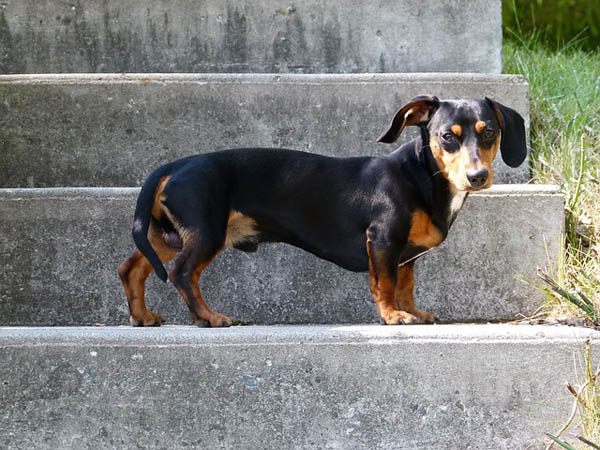
Grade 3 IVDD is the grade that fools you — your dog is still walking, but something is clearly and seriously wrong.
Grade 3 sits in an uncomfortable middle ground. Your dog hasn’t lost the ability to walk entirely, so it’s tempting to underestimate how serious this is. But Grade 3 means real spinal cord compression with neurological deficits, and without proper management, dogs at this stage can slide to Grade 4 or 5. The good news: with the right treatment and patience, many Grade 3 dogs make strong recoveries.
What Exactly Is Grade 3 IVDD?
Grade 3 IVDD means the dog is still ambulatory (able to walk) but shows significant neurological impairment: typically weakness in the hind limbs, ataxia, and proprioceptive deficits. Deep pain sensation is still intact at this grade, which is an important prognostic sign.
If you want to understand how Grade 3 fits into the full picture, the 5 IVDD stages explained article covers each grade’s symptoms and recovery odds in detail.
At Grade 3, the spinal cord is being compressed enough to disrupt normal nerve signaling, but not enough to eliminate it completely. The result is a dog that walks but looks wrong doing it, stumbling, crossing legs, walking with their hindquarters swinging wide, or placing their paws incorrectly.
Key signs you’re dealing with Grade 3:
- Ataxia: A wobbly, uncoordinated gait (looks almost drunk)
- Hind-leg weakness: Struggles to rise, tires quickly, back end may sway or collapse under effort
- Proprioceptive deficits: Knuckling paws, leaving feet in odd positions without correcting them, stumbling over their own feet
- Pain: Still present, including yelping, guarding the back, reluctance to be touched along the spine
- Intact deep pain: When toes are firmly pinched, the dog reacts. This is a critical positive sign.
- Grade 3 can deteriorate to Grade 4 (non-ambulatory) or Grade 5 (no deep pain) within hours if the disc continues to herniate
- If your dog suddenly loses the ability to walk, or stops reacting to deep toe pinches, treat it as an emergency — see the IVDD emergency signs guide
- Don’t wait until morning if you notice rapid downhill change
Surgery vs. Conservative Care: What’s the Right Call at Grade 3?
Most veterinary neurologists consider Grade 3 IVDD a strong case for surgery, though conservative management remains a viable option for some dogs. The honest answer is: surgery generally gives faster and more predictable results at this grade, but many dogs do recover conservatively if the timing is right and the owner is committed.
| Surgery | Conservative | |
|---|---|---|
| Typical recovery timeline | 6–10 weeks | 10–16 weeks |
| Success rate | Higher, especially if done within 24–48 hrs | Good, but slower and less certain |
| Best for | Dogs with significant deficits, rapid onset, or failed conservative rest | Mild Grade 3, owner constraints, or dogs too fragile for anesthesia |
| Risk | Surgical and anesthetic risk | Risk of progression if rest is incomplete |
 disableddogcare.com
For more on how to think through this decision, the IVDD surgery vs. conservative care guide walks through the factors honestly.
One thing I hear from rehab specialists: timing matters enormously at Grade 3. A dog that gets surgical decompression within 24–48 hours of onset tends to do significantly better than one who waits several days. If you’re considering conservative management, the commitment required is intense. Strict crate rest means strict, not “mostly resting with a short walk to potty.”
- Typically 4–6 weeks of strict crate rest: no jumping, stairs, or running
- Anti-inflammatory medications as prescribed (usually steroids or NSAIDs, never both)
- Controlled leash walks for bathroom only in weeks 1–3
- Transition to short, supervised rehab walks in weeks 4–6 if improving
- Reassess with your vet at 3–4 weeks. If not improving, get a neurologist referral.
What Does Week-by-Week Recovery Actually Look Like?
Grade 3 IVDD recovery doesn’t follow a neat linear path, but there’s a general pattern that helps set realistic expectations. Whether your dog had surgery or is on conservative management, the early weeks are about protection and inflammation control, not pushing for movement.
Weeks 1–2: Strict Rest and Pain Control
The first two weeks are the hardest emotionally. Your dog may be wobbly but still want to move around, and you’ll feel like the bad guy keeping them confined. Trust the process.
What to expect:
- Pain management: Anti-inflammatory medications do most of the heavy lifting here; you may see some improvement just from reducing swelling around the cord
- Weakness and stumbling: Still very present. Don’t panic if your dog seems worse on day 3 than day 1, as inflammation can peak a day or two after onset.
- Bladder monitoring: Some Grade 3 dogs have mild bladder dysfunction; watch that they’re urinating fully and normally
- Crate rest: The crate rest survival guide is worth bookmarking. Keeping a dog calm at this stage is genuinely hard.
For surgical dogs, the first two weeks post-op involve incision monitoring and the same strict movement restriction.
Weeks 3–4: First Signs of Progress (or a Plateau)
This is the window where improving dogs start to show glimmers of real change. Gait quality slowly improves, knuckling becomes less frequent, and the dog may rise more easily. Some dogs surprise you here. The relief from inflammation can unlock noticeable improvement.
If your dog is NOT improving by week 4 of conservative management, this is the moment to call a veterinary neurologist. Not “give it a little more time.” Call now. A neurologist can order an MRI to assess the compression more precisely and determine whether surgery is still a viable option.
Weeks 5–8: Active Rehabilitation
For dogs on a good trajectory, weeks 5–8 are when structured rehab begins in earnest. This is also where the right supportive gear makes a real difference. A support harness like the Help ‘Em Up Harness can help you safely assist a wobbly Grade 3 dog during rehab walks without straining your back or theirs.
- Short, frequent leash walks on non-slip surfaces: 5–10 minutes, 2–3 times daily
- Proprioception exercises: standing on uneven surfaces, slow stepping over low obstacles
- Assisted standing if needed. Support the rear but let the dog do as much work as possible.
- Swimming or underwater treadmill if available: excellent for Grade 3 recovery
- At-home exercises from the IVDD physical therapy guide
Knuckling is common at this stage and can cause paw abrasions quickly. Check your dog’s paws daily and keep walks on soft grass or carpet when possible.
Weeks 9–16: Consolidation and Return to Function
By this stage, most Grade 3 dogs on a good trajectory are walking with noticeably improved coordination. Some will regain essentially normal function; others will have a slight permanent wobble or tire more easily than before. Both outcomes are livable.
Don’t rush return to full activity. Many owners lift restrictions too early at week 8 because the dog looks fine, and then face a setback. Ease back gradually: short off-leash time before full freedom, ramps instead of stairs for another month, and a realistic permanent commitment to not letting your dog jump from heights.
When Should I Escalate to a Neurologist?
You should consult a veterinary neurologist (not just your regular vet) in any of these situations: your dog isn’t improving after 4 weeks of conservative care, the dog worsens at any point during treatment, initial diagnosis was made without MRI or CT imaging, or your dog loses deep pain sensation at any stage.
A board-certified veterinary neurologist has access to advanced imaging and surgical expertise that general practitioners typically don’t. Getting a neurologist involved early at Grade 3, even just for a consultation, is rarely a waste of time. They can give you the most accurate read on prognosis and help you avoid the regret of waiting too long for intervention.
Related Reading
- The 5 IVDD Stages Explained: Symptoms & Recovery Odds
- IVDD Surgery vs. Conservative Care: How to Decide
- IVDD Physical Therapy at Home: Rehab Exercises
- It’s worth knowing where your nearest board-certified neurologist is before you need one — our IVDD specialist finder lets you search by state.
- Dog recovery timeline generator: post-op IVDD recovery mapped to your dog’s dates
Grade 3 is genuinely scary, but it’s also a grade where so many dogs come back. The walking tells you the cord is still communicating. Give it the right conditions to heal, be honest with yourself if the conservative path isn’t working, and don’t hesitate to escalate when the timeline calls for it. Many of the dogs I’ve heard about from other owners in the disabled dog community who had a rough Grade 3 episode are now trotting around like nothing happened. That can be your dog too.
Frequently Asked Questions
How long does IVDD Stage 3 recovery take?
Grade 3 IVDD recovery typically takes 8–16 weeks, though it varies based on treatment path, how quickly intervention started, and the dog’s age and overall health. Surgical dogs often show faster early improvement; conservative cases generally need the full timeline and sometimes longer.
Can a Grade 3 IVDD dog recover without surgery?
Many Grade 3 dogs do recover with strict conservative management, including complete crate rest and anti-inflammatory medication. However, surgery generally offers faster and more reliable outcomes at this grade, and most veterinary neurologists consider it the preferred option when timing and the dog’s health allow.
What are proprioceptive deficits in a Grade 3 IVDD dog?
Proprioception is the ability to sense where the limbs are in space. A Grade 3 dog with proprioceptive deficits may knuckle their paws, stumble, or stand with legs splayed because the spinal cord isn’t correctly relaying position signals to the brain. Targeted rehab exercises, like stepping over obstacles and standing on uneven surfaces, specifically help rebuild this pathway.
When should I see a neurologist for a Grade 3 IVDD dog?
Consult a veterinary neurologist if your dog shows no improvement after 4 weeks of conservative care, worsens at any point, or was diagnosed without MRI or CT imaging. A neurologist can confirm the exact location and severity of disc compression and guide the most appropriate next steps.
This guide is based on real experience and should be used alongside professional veterinary care. Always consult your veterinarian before starting any new treatment or making changes to your dog’s care plan.