IVDD Stage 2 Recovery Timeline: What to Expect Week by Week
Stage 2 IVDD means pain + weakness but still walking. Here's a realistic week-by-week recovery timeline, milestones to track, and what I watch for.
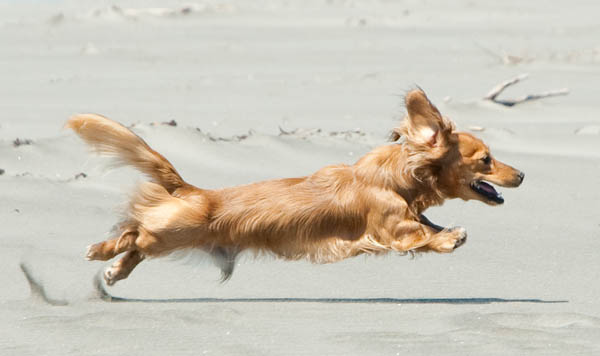
Stage 2 IVDD is scary, but it’s also one of the most recoverable stages — if you respect the timeline and don’t rush it.
When Heidi was diagnosed, I spent hours trying to find a clear week-by-week picture of what Stage 2 recovery actually looks like. Not a generic overview, but something specific to dogs who are still walking but clearly in pain and wobbly. This article is what I wish I’d had then.
What Is Stage 2 IVDD, Exactly?
Stage 2 IVDD means your dog has both pain and mild-to-moderate weakness in the limbs, but is still able to walk. The weakness is often described as ataxia, which is a wobbly or “drunken” quality to the gait. Your dog may stumble, cross their back feet, or move like the back half isn’t fully cooperating with the front half. They’re also hurting: yelping when touched along the spine, reluctant to jump, and often hunched or guarded in posture.
The fact that your dog is still ambulatory (still walking) is a genuinely good sign. Stage 2 sits in the middle of the five-stage IVDD scale, above pure pain (Stage 1) but below the stages involving significant paralysis. If you want a full breakdown of where Stage 2 fits, the 5 IVDD stages explained article covers all of them in detail.
Surgery or Conservative Management: Which Path Are You On?
For Stage 2 IVDD, both surgery and conservative management are legitimate options, and the recovery timelines differ. Your vet may lean one way based on your dog’s specific imaging, breed, and pain level.
Conservative management means strict rest, anti-inflammatory medication, and a very gradual return to activity, with no surgery. Many Stage 2 dogs do well on this path. The article on IVDD conservative management goes deep on what this approach involves.
Surgery (typically hemilaminectomy) removes the disc material pressing on the spinal cord. Recovery after surgery follows a structured timeline too, but the early weeks look different: your dog will have an incision to manage and a slightly more supervised rehab protocol.
The week-by-week breakdown below applies primarily to conservative management, since that’s the more common path at Stage 2. I’ll note where the surgical path diverges.
- Most dogs with Stage 2 IVDD are considered good candidates for conservative management
- “Good candidate” generally means: first episode, no rapid progression, responsive to pain medication
- If your dog’s weakness is worsening in the first 48–72 hours despite rest and medication, go back to your vet — that’s a reason to revisit the surgery conversation
- See IVDD surgery vs. conservative care for a side-by-side comparison
The Week-by-Week IVDD Stage 2 Recovery Timeline
Weeks 1–2: Strict Rest and Pain Control
The first week is brutal, for your dog and for you. The entire goal right now is reducing inflammation around the spinal cord and preventing the disc from doing more damage. That means strict crate rest: no stairs, no jumping, no zoomies, no running to the door. Every bathroom trip is on leash, kept short and calm.
Your vet will likely prescribe a combination of an anti-inflammatory (such as a corticosteroid or NSAID) and a muscle relaxant or pain reliever. Give medications exactly as prescribed, because stopping early is one of the most common mistakes.
Not every sudden hind-end collapse follows this timeline. A spinal stroke produces a similar-looking dog on a broadly similar clock, but the rules are different — FCE recovery week by week covers that arc, where there is no disc left to protect and strict confinement is not the goal.
What you should see improving by end of week 2:
- Pain signs decreasing: less yelping, flinching, or guarding when touched
- More relaxed posture: no longer hunched constantly
- Slightly steadier gait on leash bathroom trips
Red flags that mean a vet call:
- Weakness getting worse, not better
- Loss of bladder or bowel control (this moves you toward a higher stage — see IVDD emergency signs)
- Complete refusal to bear weight on back legs
The Help ‘Em Up Harness was something I used during Heidi’s recovery to support her back end on those leash trips without putting pressure on her spine: it gives you a handle without forcing you to grab the scruff or lean over awkwardly.
Weeks 3–4: Cautious Optimism
If pain is responding to medication and your dog is holding steady or improving, weeks 3–4 start to feel a little more hopeful. Crate rest is still the rule, but most vets will allow brief, controlled leash walks (often starting at 5 minutes, twice a day) if your dog is clearly improving.
Milestones to look for:
- Steadier gait: less stumbling, more confident foot placement
- Willingness to move: dog is no longer reluctant to take a few steps
- Reduced yelping: pain is clearly more managed
Keep a simple daily log. Even just a few sentences: “walked to mailbox, no stumbling, ate well.” It’s easy to lose track of progress week-to-week, and a log helps you notice whether things are truly moving in the right direction.
- A great day in week 3 doesn’t mean crate rest is over
- Dogs often feel better before the disc has had time to scar and stabilize
- Letting your dog run or play too soon is the most common cause of relapse at Stage 2
- Stick to your vet’s protocol even when your dog acts like they feel fine
Weeks 5–6: The Critical Checkpoint
The 6-week mark is significant in conservative IVDD management. By now, the disc material should be stabilizing and inflammation decreasing substantially. Your vet will likely reassess, potentially with a physical exam and sometimes repeat imaging.
Dogs who have responded well to conservative management are usually moving noticeably better by week 6: gait is more coordinated, ataxia is minimal or gone, and pain signs have largely resolved. The 6-week mark in IVDD recovery has its own dedicated article worth reading before this appointment.
If your dog is not improving meaningfully by week 6, surgery may come back on the table. This isn’t failure — it’s information.
Weeks 7–10: Rebuilding Strength
With vet clearance, this phase is about gradually rebuilding the strength and confidence your dog lost during weeks of rest. Think of their muscles as having gone partially offline: they need gentle reactivation, not a sudden return to full activity.
Typical progression in this phase:
- Leash walks extending: 10 minutes, then 15, with steady vet guidance
- Gentle rehab exercises: controlled sit-to-stand repetitions, balance work on stable surfaces
- Ramp introduction: reintroducing ramps for furniture access rather than jumping
At-home physical therapy can make a real difference here. The IVDD physical therapy at home guide covers exercises appropriate for this phase.
- Gait is coordinated and confident at leash-walk pace
- Dog initiates movement and seems comfortable doing so
- No pain signs during or after walks
- Muscle mass returning in the hindquarters
- Vet exam shows normal or near-normal neurological reflexes
Weeks 10–12: Return to Normal Activity
For most Stage 2 dogs on conservative management, a return to near-normal activity happens somewhere in the 10–12 week window, though some dogs get there earlier, and some take a little longer. “Normal” for a dog with IVDD history still means no jumping on and off furniture, no stairs without a ramp, and ongoing awareness of spinal health.
This is also the time to build the long-term habits that reduce relapse risk. The IVDD relapse prevention guide covers the specific changes I made permanent after Heidi’s recovery.
- Any new or worsening weakness, even during the recovery phase
- Loss of bladder or bowel control at any point
- Sudden yelping or acute pain after a period of improvement
- Complete inability to bear weight after previously walking well
Related Reading
- IVDD Recovery Days 1–7: The Critical First Week
- IVDD Recovery: What the 6-Week Mark Means
- IVDD Without Surgery: Conservative Management That Works
- Looking for a rehab vet near you? Our IVDD specialist finder lists practices with PT, hydrotherapy, and conservative-care experience by state.
Recovery from Stage 2 IVDD is genuinely achievable, but it asks a lot of you as a caregiver. It requires holding the line on crate rest when your dog acts totally fine, celebrating small wins like a steadier walk to the mailbox, and trusting that slow and boring is actually the fastest path back. You’re doing the right thing by learning what to expect. The weeks ahead will be hard, but most Stage 2 dogs come out the other side of this walking confidently and living well.
Frequently Asked Questions
How long does Stage 2 IVDD recovery take?
Most dogs with Stage 2 IVDD recover within 6–12 weeks, though the timeline varies by dog, breed, and whether surgery or conservative management is chosen. Conservative management typically requires 4–6 weeks of strict rest before a gradual return to activity. Some dogs bounce back faster; others (especially those with repeated episodes) take longer.
Can a Stage 2 IVDD dog recover without surgery?
Yes — many Stage 2 IVDD dogs recover fully with conservative management, which means strict crate rest, anti-inflammatory medication, and controlled reintroduction of activity. Success rates for conservative management at Stage 2 are generally considered good, though your vet is the right person to weigh the specifics of your dog’s presentation. Surgery may still be recommended if pain is severe, if conservative care fails, or if your vet is concerned about progression.
What does Stage 2 IVDD look like in a dog?
Stage 2 IVDD involves back or neck pain combined with mild to moderate weakness in the limbs: the dog is still able to walk but may wobble, stumble, or show a drunken gait called ataxia. You might also notice yelping when touched along the spine, reluctance to jump or climb stairs, and general stiffness or guarding of the back.
What milestones should I track during Stage 2 recovery?
Key milestones include: reduction in pain signs like yelping or flinching, improved coordination and a steadier gait, ability to walk on leash without stumbling, willingness to use a ramp, and return of confident relaxed body posture. If weakness is worsening rather than improving in the first two weeks, that’s a signal to go back to your vet promptly.
This guide is based on real experience and should be used alongside professional veterinary care. Always consult your veterinarian before starting any new treatment or making changes to your dog’s care plan.