IVDD Stage 1 Recovery Timeline: Mild Cases Week by Week
Stage 1 IVDD looks like a bad back day — but it can escalate fast. Here's what the week-by-week recovery actually looks like for mild cases.
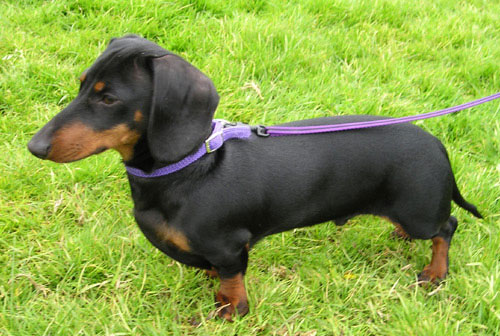
Stage 1 IVDD is the easiest stage to miss, and one of the most important to catch.
When Heidi had her first IVDD episode, I almost dismissed it as a rough morning. She was stiff, reluctant to jump up, and flinched when I touched her back. No wobbly legs. No yelping. I thought maybe she’d slept funny. I know now how close I came to letting it slide.
Stage 1 IVDD means pain only, with no neurological deficits yet. The disc is compressed or bulging, pressing on the spinal cord or nerve roots, but the signal from brain to legs is still intact. It looks like a bad back day. But it’s not. And what you do in the next few weeks determines whether it stays Stage 1.
What Does Stage 1 IVDD Actually Look Like?
Stage 1 IVDD presents as pain with no loss of neurological function. Your dog is walking normally, using all four legs, and has full bladder and bowel control, but they’re clearly uncomfortable.
Common signs include a hunched or “roached” back posture, reluctance to jump or use stairs, flinching or crying when touched along the spine, stiffness coming out of rest, and general lethargy or depression. Some dogs become snappy or reactive because they hurt. For a full rundown of early warning signs, IVDD Symptoms in Dogs: Early Warning Signs to Catch Now goes deeper.
The tricky part: a dog who is walking normally can look totally fine at a glance. Stage 1 is often dismissed as “muscle soreness” or “he must have pulled something.” Getting a diagnosis (ideally with imaging) matters because Stage 1 IVDD and a soft tissue strain are treated very differently.
- Pain that doesn’t improve within 48–72 hours on medication
- Any episode of sudden, severe back or neck pain
- A breed predisposed to IVDD (Dachshunds, French Bulldogs, Beagles, Corgis, Shih Tzus)
- A second or third “bad back day” in a dog with no prior diagnosis
- Flinching specifically along the spine, not just general soreness
The Stage 1 IVDD Recovery Timeline: Week by Week
Here’s what conservative management of Stage 1 IVDD typically looks like, based on what I’ve seen and heard from other owners and what we lived through with Heidi.
Weeks 1–2: Strict Crate Rest and Medication
This is the most critical window. Your vet will likely prescribe a combination of a non-steroidal anti-inflammatory (NSAID) or corticosteroid and a muscle relaxant or pain reliever. Strict crate rest, meaning no running, jumping, stairs, or rough play, starts immediately.
Most dogs show noticeable pain improvement within 4–7 days of medication. Here’s the trap: as soon as they feel better, they want to move. They’ll spin in the crate, bark to get out, look at you with those eyes. Don’t be fooled. The disc hasn’t healed. The pain was the signal telling you something was wrong, and removing the pain with medication doesn’t fix the underlying damage.
The crate we used during Heidi’s conservative management period is the Medium Dog Cage: big enough to stand and turn around, small enough that she couldn’t build speed or jump.
What to expect in weeks 1–2:
| Timeframe | What to expect |
|---|---|
| Day 1–3 | Pain often peaks or stays high; medication needs time to work |
| Day 4–7 | Most dogs show significant improvement in comfort and willingness to move |
| Day 7–14 | Your dog may seem “basically fine” — this is the deceptive phase. Keep resting. |
 disableddogcare.com
For detailed guidance on managing this phase, IVDD Without Surgery: Conservative Management That Works covers medication protocols, activity restrictions, and what to discuss with your vet.
- Short, leashed toilet walks only — 3–5 minutes, on flat ground, no sniffing marathons
- Carry your dog on and off furniture rather than letting them jump
- Cover the crate with a blanket to reduce visual stimulation
- Feed and give water inside the crate to limit reasons to rush out
- Mental enrichment like lick mats and chews can prevent frustration without physical exertion
Weeks 3–4: Gradual, Controlled Loosening
If your dog is pain-free or nearly pain-free and your vet agrees, weeks 3–4 typically allow very gentle, leashed walks, starting at just 5 minutes and building slowly. No free running, no stairs, no jumping. The disc is still vulnerable.
This is also when owners tend to overdo it. The dog runs to the door, seems totally normal, gets a longer walk, and by the next morning they’re hunched again. A setback at this stage can reset the whole clock. For a realistic picture of what IVDD setbacks look like, IVDD Recovery Setbacks: What’s Normal vs. a Vet Call is worth reading now, before one happens.
What to expect in weeks 3–4:
- Controlled walks: 5–10 minutes on leash, flat surfaces only
- No off-leash time in the yard — not even briefly
- Watch for any return of pain signs — hunching, stiffness, flinching
- Continue flooring safety at home — rugs, non-slip mats everywhere
Weeks 5–6: Reassessment and Return to Activity
By week five or six, most Stage 1 dogs are feeling well and ready for a more normal routine. But “normal” comes back gradually — this isn’t a switch that flips. A follow-up vet check is important here, especially if you’re managing without imaging confirmation.
Walk duration increases incrementally. Stairs and furniture access stays restricted (ramps are your friend, permanently, not just during recovery). Many rehab specialists recommend starting gentle physical therapy exercises around this time to rebuild supporting muscle.
- No flinching or pain response to gentle spinal palpation
- Normal, eager posture — no more roached back
- Moving freely without stiffness after rest
- No regression after short leash walks
- Vet confirms pain-free on exam
Beyond Week 6: Long-Term Prevention
Here’s the hard truth about Stage 1 IVDD: recovery doesn’t mean cured. The disc that caused this episode is still degenerated. Other discs may be, too. The goal of every choice you make going forward, whether ramps instead of stairs, no jumping on and off the couch, or maintaining a healthy weight, is preventing the next episode from being a Stage 2 or worse.
For the practical rules I follow with Heidi every day, Preventing IVDD Relapse: 5 Rules I Follow is a good next read.
How Do I Know If Stage 1 Is Escalating?
Any new neurological sign means you may no longer be dealing with Stage 1. Call your vet the same day — don’t wait for the next available appointment.
Signs of escalation include: hind-leg wobbling or weakness, stumbling on stairs or uneven ground, knuckling (the paw flipping under instead of landing flat), loss of bladder or bowel control, sudden worsening of pain after a period of improvement, or complete refusal to walk. For a clear breakdown of when to go to the emergency vet, IVDD Emergency Signs: When to Rush Your Dog to the Vet lays it out plainly.
- Any hind-leg weakness, wobbling, or stumbling
- Knuckling — paw turning under while walking
- Loss of bladder or bowel control
- Sudden severe pain after a period of improvement
- Complete collapse of hind legs
Stage 1 is the best possible place to catch IVDD. Take it seriously now, and you have a real chance of keeping it there.
Related Reading
- The 5 IVDD Stages Explained: Symptoms & Recovery Odds
- IVDD Stage 2 Recovery Timeline: What to Expect Week by Week
- Crate Rest for IVDD Dogs: A Survival Guide
- Looking for a rehab vet near you? Our IVDD specialist finder lists practices with PT, hydrotherapy, and conservative-care experience by state.
Frequently Asked Questions
How long does Stage 1 IVDD take to recover?
Most dogs with Stage 1 IVDD recover within 4–8 weeks of strict conservative management. Some bounce back faster, but a full 4–6 weeks of restricted activity is typically recommended even when your dog seems fine by week two.
Can Stage 1 IVDD get worse without treatment?
Yes. Stage 1 IVDD involves real disc damage, and without rest and treatment, that disc can herniate further and push into a higher stage — sometimes within days. It’s not something to push through or wait out without veterinary guidance.
Does Stage 1 IVDD always need surgery?
No. Stage 1 IVDD is generally treated with conservative management: crate rest, anti-inflammatory medication, and pain control. Surgery is not typically recommended at this stage unless the dog fails to respond to conservative care or has repeated episodes.
What are the signs that Stage 1 IVDD is getting worse?
Watch for any new neurological signs: wobbling, stumbling, hind-leg weakness, knuckling, or loss of bladder control. Also watch for pain that isn’t improving after several days on medication, or pain that suddenly worsens. Any of these is a vet call — same day.
This guide is based on real experience and should be used alongside professional veterinary care. Always consult your veterinarian before starting any new treatment or making changes to your dog’s care plan.