IVDD Recurrence: The Odds & How to Prevent a Second Episode
Once your dog recovers from IVDD, the fear of it happening again is real. Here's what raises recurrence risk — and the prevention protocol that actually helps.
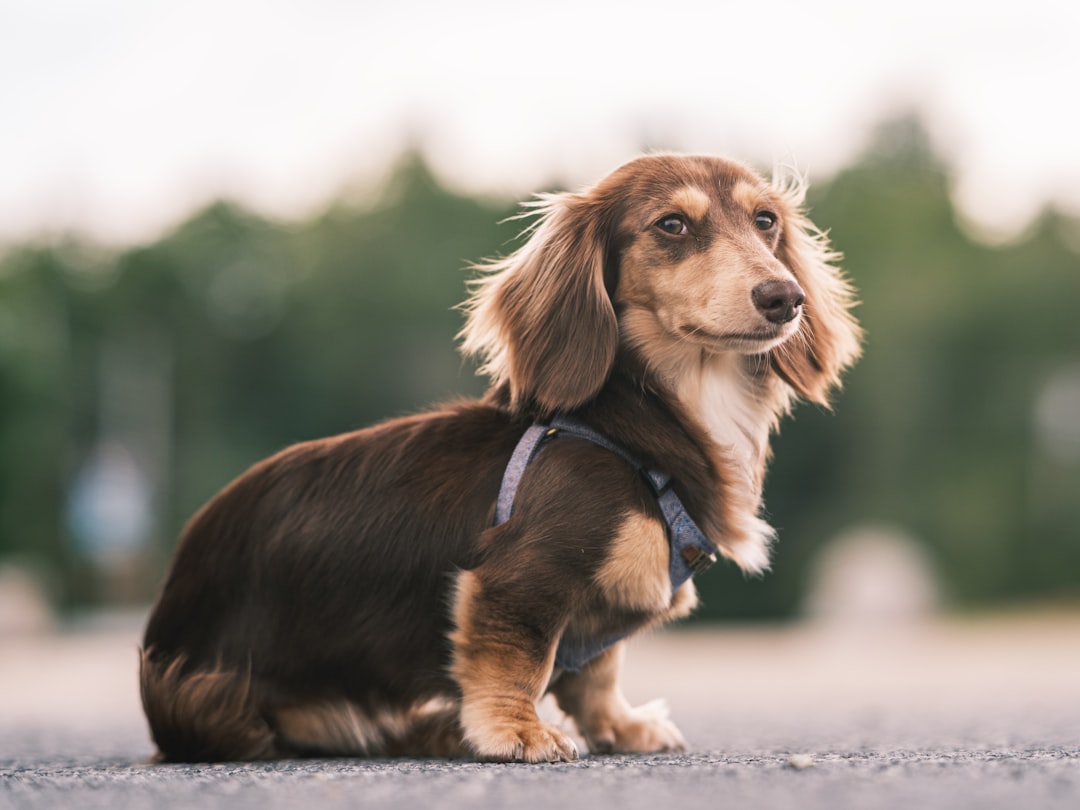
Photo by Huanrui He on Unsplash
Surviving IVDD once is hard enough — but knowing it could happen again is its own kind of anxiety, and you deserve a clear plan for reducing the odds.
After Heidi recovered from her IVDD episode, I spent weeks reading everything I could find about recurrence. I wanted facts, not vague reassurances. What I found was this: the risk is real, it’s not equal for every dog, and there is a concrete prevention protocol that most owners aren’t following completely. This article covers all of it.
What Are the Real Recurrence Odds?
The honest answer is that exact recurrence rates vary widely depending on the study, the breed, and whether the first episode was managed surgically or conservatively. What veterinary neurologists do agree on is that chondrodystrophic breeds — dachshunds, corgis, beagles, basset hounds, French bulldogs, and others — are at lifetime risk because disc degeneration affects the entire spine, not just one level. A dog who had one disc rupture at age four likely has other discs in various stages of degeneration. The American College of Veterinary Surgeons notes that recurrence is a recognized feature of IVDD in high-risk breeds, which is precisely why post-recovery management is considered part of the treatment, not optional aftercare.
The takeaway isn’t to live in fear. It’s to understand that recovery is not a cure. The disc disease process continues, and how you manage your dog’s daily life from this point forward genuinely matters.
- Chondrodystrophic breeds (dachshunds, corgis, Frenchies, beagles, basset hounds, Pekingese)
- Dogs who had multiple disc involvement on imaging
- Dogs managed conservatively (no surgery) who returned to full activity too quickly
- Overweight dogs of any at-risk breed
- Dogs under age 6 at first episode — more degenerating discs still ahead
What Raises the Risk of a Second Episode?
Several factors measurably increase the chance that another disc will cause problems. Understanding them helps you know where to focus your prevention energy.
Excess body weight: Every extra pound your dog carries increases compressive load on the spine during normal movement. Weight is one of the most controllable risk factors, and it’s also one of the most commonly ignored after recovery when a dog is finally feeling well again. If your dog is even slightly overweight, reducing to a lean body condition is one of the most direct things you can do. I go into our specific approach in the IVDD dog diet article.
High-impact movement: Jumping on and off furniture, launching down stairs, and twisting to catch a ball all create sudden compressive and rotational forces on the spine. These are the moments most likely to push a partially degenerated disc over the edge.
Collar use instead of harness: A collar concentrates any leash tension directly at the neck. For dogs with cervical disc disease especially, this is a real concern. A harness distributes pressure across the chest and shoulders instead.
Incomplete rest after the first episode: Dogs who returned to full activity before the six-week mark, or who never fully completed conservative management, may have discs that are still vulnerable. Rushing recovery trades short-term convenience for long-term risk.
Multiple affected discs on original imaging: If your dog’s MRI or CT showed degeneration at more than one level, those other discs are already in the process of change. That’s not a death sentence — it’s information that should inform how carefully you maintain the prevention protocol.
The Prevention Protocol: Four Things That Actually Matter
This is the part where I want to be direct with you. There is no magic supplement, therapy, or treatment that makes recurrence impossible. What there is: a set of practical daily habits that reduce spinal stress over the course of your dog’s life. Done consistently, they make a real difference.
No-Jumping Rules (Enforced, Not Just Intended)
“My dog isn’t supposed to jump” doesn’t work unless you make jumping physically impossible. That means ramps or steps to every surface your dog uses — couch, bed, car — and baby gates blocking stairs they can’t be trusted to avoid. The IVDD dogs and stairs guide covers the specific setup in detail. The ramp has to be there before the dog is tempted, not purchased after the second episode.
Weight Management — Non-Negotiable
I check Heidi’s ribs monthly. You should be able to feel them easily without pressing hard, with a slight visible waist from above. If you can’t, your dog is carrying too much weight. Your vet can give you a specific target and a realistic calorie goal. This one habit, maintained consistently, may do more for long-term spinal health than anything else on this list.
Harness Over Collar for All Walks
Switch permanently. The Help ‘Em Up Harness is what we used during Heidi’s recovery, and we kept it for daily walks afterward precisely because it removes collar pressure from her neck entirely. Any well-fitted chest harness works — the key is that leash tension never goes through the neck.
Monitoring for Early Signs
A second episode caught at Grade 1 or 2 is a very different situation from one caught at Grade 4. Early signs to watch for include: neck stiffness, reluctance to go up or down even a single step, yelping when touched along the spine, hunching the back, moving slowly or hesitantly, and not wanting to jump onto surfaces they previously had no trouble with. Any of these warrants a same-day call to your vet. The IVDD symptoms article has a full breakdown of what to look for at each stage.
- Sudden yelping when touched along the back or neck
- Reluctance to jump, climb stairs, or get into the car
- Hunched posture or tense, rounded back
- Moving slowly or holding the head lower than usual
- Any wobbling, stumbling, or dragging that wasn’t there yesterday
Does Surgery After the First Episode Reduce Recurrence Risk?
Surgery decompresses the spinal cord at the affected disc level, but it does not stop disc degeneration at other spinal levels. An owner who assumes their dog is “fixed” after surgery and abandons the prevention protocol is still at risk. The prevention habits described above apply equally whether your dog’s first episode was treated surgically or with conservative management.
That said, some neurologists discuss prophylactic fenestration (surgically removing disc material from adjacent high-risk levels at the time of surgery) in certain cases. This is a conversation worth having with a veterinary neurologist if your dog is young and imaging shows multiple affected discs. It’s not standard for every case, but it’s a real option for some dogs.
When Does a Recurrence Mean Surgery Is the Answer?
A second episode doesn’t automatically mean surgery — but certain presentations make surgery the clear recommendation.
| Presentation | Typical Recommendation |
|---|---|
| Grade 1–2 (pain only, walking normally) | Conservative management: strict rest, medication |
| Grade 3 (weak but still walking) | Often conservative first; surgery if no improvement in 48–72 hrs |
| Grade 4 (paralyzed, deep pain intact) | Surgery strongly recommended; act quickly |
| Grade 5 (paralyzed, deep pain absent) | Emergency surgery; outcomes worsen with each hour of delay |
 disableddogcare.com
If your dog reaches Grade 4 or 5 in a second episode, the IVDD surgery vs. conservative care guide can help you think through the decision clearly. Time genuinely matters at the severe end — deep pain sensation that is absent for more than 24–48 hours is associated with significantly worse surgical outcomes.
- Dog suddenly cannot move or feel their hind legs
- Loss of bladder or bowel control appearing suddenly
- Rapid progression from walking to dragging within hours
- Any loss of deep pain sensation (no reaction when toes are firmly pinched)
- Ramps to all furniture and car access — installed and always available
- Monthly body condition check — ribs palpable, visible waist
- Harness on every single walk, no exceptions
- Early-sign monitoring at every interaction — watch how they move
- Annual vet check-in to discuss spinal health and body weight
The goal isn’t to bubble-wrap your dog and stop living. It’s to remove the specific high-risk behaviors — the jumping, the excess weight, the collar tension — that put unnecessary stress on a spine that’s already vulnerable. Dogs who live within these limits can still run in the backyard, go on gentle walks, and have a full, happy life. I’ve seen it with Heidi, and I hear it from owners every week.
Related Reading
- Preventing IVDD Relapse: 5 Rules I Follow
- Long-Term Care for an IVDD Dog: Life After Crisis
- IVDD Surgery vs. Conservative Care: How to Decide
Frequently Asked Questions
How likely is IVDD to recur after a dog recovers?
Recurrence risk varies by breed, disc type, and how many discs are affected. Chondrodystrophic breeds like dachshunds — who have multiple discs that can calcify — face meaningful lifetime risk, which is why long-term prevention habits matter far more than a single treatment episode.
What is the most important thing I can do to prevent IVDD recurrence?
Eliminating high-impact spinal loading is the single most effective prevention step. That means no jumping on or off furniture, no stairs without a ramp or gate, and keeping your dog at a lean, healthy weight — all three together reduce the mechanical stress that triggers disc rupture.
If my dog has a second IVDD episode, will they need surgery this time?
Not necessarily — it depends on the grade of the second episode. A mild recurrence (Grade 1 or 2) is often managed conservatively with strict rest and medication. But if your dog loses the ability to walk or loses deep pain sensation, surgery is typically the recommendation, and speed matters.
Can a dog have IVDD in a different disc than the first time?
Yes. Many at-risk breeds have multiple degenerating discs throughout the spine. A second episode can involve the same disc or a completely different one, which is why whole-spine monitoring — not just watching the original injury site — is important.
This guide is based on real experience and should be used alongside professional veterinary care. Always consult your veterinarian before starting any new treatment or making changes to your dog’s care plan.