IVDD Recovery Days 1–7: The Critical First Week
Day-by-day what to expect in IVDD recovery's first week — meds, crate setup, bladder care, and what's normal. Based on Heidi's first week home.
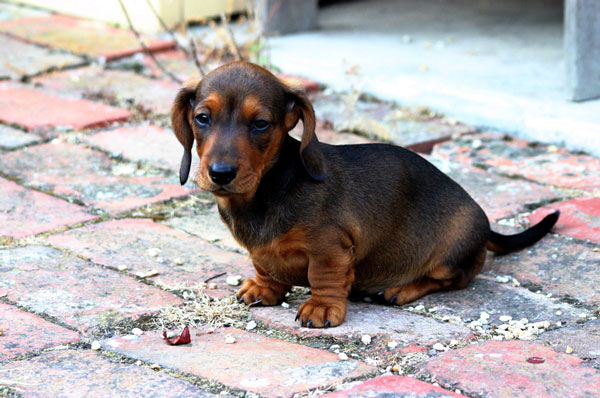
The first week of IVDD recovery is the hardest one, and knowing what to expect, day by day, makes it survivable for both of you.
When Heidi came home after her diagnosis, I had a stack of discharge paperwork, a bag of medications I barely understood, and a dog who looked at me like I was supposed to know what to do next. Nobody had really walked me through what the next seven days would actually look like. So this is the guide I wish I’d had: what happens each day, what’s normal, what’s not, and what you actually need to do to get through it.
Before Day 1: Set Up Before You Bring Them Home
If you have any warning at all (even a few hours), get the crate situation sorted before your dog walks (or is carried) through the door. You will not have the mental bandwidth to do it once they’re home and looking up at you.
The crate setup I landed on for Heidi wasn’t complicated, but it had to be right: small enough to limit movement, low enough that she couldn’t jump, and soft enough for a spine that needed zero pressure points. I lined the bottom with training pads from day one — even before we knew for certain she’d have bladder issues — because the alternative was scrambling at 2am.
- Crate should be just large enough for your dog to stand and turn — no more
- Line the floor with waterproof training pads
- Use a thin, flat memory foam pad on top — nothing that creates elevation
- Place the crate at ground level, away from stairs and furniture
- Have a no-slip mat under the crate so it doesn’t shift when your dog moves
Days 1–2: The Fog Phase
The first two days are dominated by medications and confusion, yours and your dog’s.
Most IVDD dogs come home on some combination of:
- Steroids or NSAIDs: To reduce spinal inflammation. These cannot be given together — make sure you know which one your dog is on and never mix them.
- Muscle relaxants (methocarbamol): These make dogs profoundly sleepy. Heidi slept almost 20 hours on day one. I panicked, called the vet, and was told this was completely expected.
- Gabapentin: For nerve pain. Also sedating.
Your dog may not want to eat on day one. The medications are hard on the stomach, and stress suppresses appetite. Offer small amounts of bland food (plain chicken and rice is a reliable choice). Don’t force it.
The main job of days 1–2 is: control the environment, give the medications on schedule, and watch the bladder.
If your dog had any weakness or paralysis before coming home, they may not be able to urinate on their own. Check every 4–6 hours. If the belly feels round and firm and nothing is coming out, call your vet — urinary retention is a genuine emergency. Our full guide on bladder expression for IVDD dogs walks through exactly how to check and what to do.
Days 3–4: The Hardest Stretch
I want to be honest with you: days 3 and 4 were the hardest for us. Heidi had a day where she seemed slightly worse (less responsive in her back legs), and I convinced myself we’d done something wrong.
What I didn’t know then was that spinal inflammation can peak in the 48–72 hour window, and some dogs do appear to plateau or even dip slightly before they start to improve. It doesn’t always mean something went wrong. But it does mean you need to be watching carefully and maintaining communication with your vet.
- Complete loss of bladder or bowel control that wasn’t present before
- Deep pain perception suddenly absent — dog doesn’t react to firm toe pinch
- Rapidly worsening paralysis over a few hours
- Crying or vocalizing in pain that isn’t controlled by medication
- Bloated, firm abdomen suggesting urinary retention
Medications continue twice or three times daily. Keep a written log, the drugs and the timing. When you’re running on broken sleep, you will not remember whether you gave the 8am dose.
This is also when you’ll start to manage the boredom problem. A dog who feels only a little bad wants to move. Mental stimulation (sniff mats, lick mats, low-stimulation puzzle feeders in the crate) is your best tool. Our guide on keeping an IVDD dog sane during crate rest has a lot of practical ideas for this phase.
Days 5–6: Small Signs of Progress
By day 5, most dogs on conservative management are showing some stabilization. Not necessarily improvement, but the acute crisis phase is usually passing. For Heidi, day 5 was the first day she wagged her tail while eating, which sounds small but felt enormous.
What to focus on now:
- Short, controlled bathroom trips: Carry your dog outside for any elimination. No walking, no sniffing detours. Straight out, business done, straight back in. Use a harness you can actually hold — the Help ‘Em Up Harness we used gave me real support under Heidi’s hindquarters without any spinal pressure.
- Skin checks: If your dog has been lying on one side, check for early pressure point redness, especially over the hips and elbows. Reposition every 4 hours if they’re not doing it themselves.
- Bladder routine locked in: By now you should know your dog’s pattern. Log every void, time, amount, whether you had to express or they went independently.
- Tail wag returns
- Interest in food improves
- Dog shifts position on their own in the crate
- Voluntary urination — even partial
- Reaction to toe pinch present (deep pain intact)
Day 7: Your First Assessment Point
One week in is your first real checkpoint. Most vets want a follow-up call or visit around this time. Before you go, write down:
- What medications you gave and when: any missed doses, any side effects noticed
- Bladder function: independent vs. assisted, how often, any straining or accidents
- Neurological status: compared to day 1, any change in hind leg movement or sensation?
- Pain level: is the medication controlling it, or are there breakthrough pain episodes?
Be honest with your vet about what you’ve been able to manage and what’s been hard. If bladder expression isn’t going well, say so. If you’re not sure whether your dog is in pain, describe exactly what you’re seeing. The more specific you are, the better their guidance can be.
If your dog chose conservative management over surgery, day 7 is also when you begin thinking about weeks 2–4, which looks different again. The IVDD surgery recovery week-by-week timeline covers the longer arc well, and the conservative management guide is worth reading now that you’ve survived the acute phase.
- Sudden loss of deep pain sensation after it was previously present
- Rapid progression from partial paralysis to complete paralysis within hours
- Uncontrolled, severe pain despite full doses of medication
- Suspected spinal shock — completely limp, unresponsive hindquarters These require an emergency vet visit, not a wait-and-see approach. See our IVDD emergency signs guide for more detail.
What Nobody Tells You About Week One
The nights are the worst. The worry is the loudest. You will watch your dog breathe more times than you can count.
But the first week is survivable, and getting through it without a setback matters enormously for the weeks ahead. Strict crate rest in week one isn’t cruelty. It’s the foundation everything else is built on. Heidi is living proof that boring, careful, by-the-book week ones lead to better outcomes down the road.
You’re doing the right thing by learning everything you can. That matters more than you know.
Related Reading
- IVDD Crate Rest: A Survival Guide
- Bladder Expression for IVDD Dogs: Step-by-Step
- IVDD Recovery Setbacks: Normal vs. Not
- Looking for a rehab vet near you? Our IVDD specialist finder lists practices with PT, hydrotherapy, and conservative-care experience by state.
Frequently Asked Questions
How much should an IVDD dog sleep in the first week?
A lot — and that’s completely normal. Heavy sedation from medications like muscle relaxants and steroids will knock most dogs out for long stretches. Sleep is actually protective during this phase because it naturally limits movement.
When should I be worried about bladder problems in the first week?
If your dog hasn’t urinated within 12 hours of coming home, or if you notice the belly feels hard and distended, contact your vet immediately. Urinary retention is a common IVDD complication that needs prompt attention.
Is it normal for my dog to seem worse on day 2 or 3 than right after the injury?
Unfortunately, yes — this is one of the harder things to experience. Spinal inflammation can peak in the first 48–72 hours, so some dogs do appear to worsen slightly before they stabilize. Always call your vet if you’re unsure, but some fluctuation in the early days is expected.
Can my dog sleep outside the crate at night during the first week?
The first week is when strict crate rest matters most. Even if your dog seems fine, unsupervised movement (including repositioning during sleep) can worsen a disk herniation. Keep them crated at night for at least the first seven days unless your vet says otherwise.
This guide is based on real experience and should be used alongside professional veterinary care. Always consult your veterinarian before starting any new treatment or making changes to your dog’s care plan.