IVDD Post-Op Nutrition: Feeding a Recovering Dog
Appetite loss, positioning struggles, weight creep during crate rest — what actually works when feeding a dog recovering from IVDD surgery.
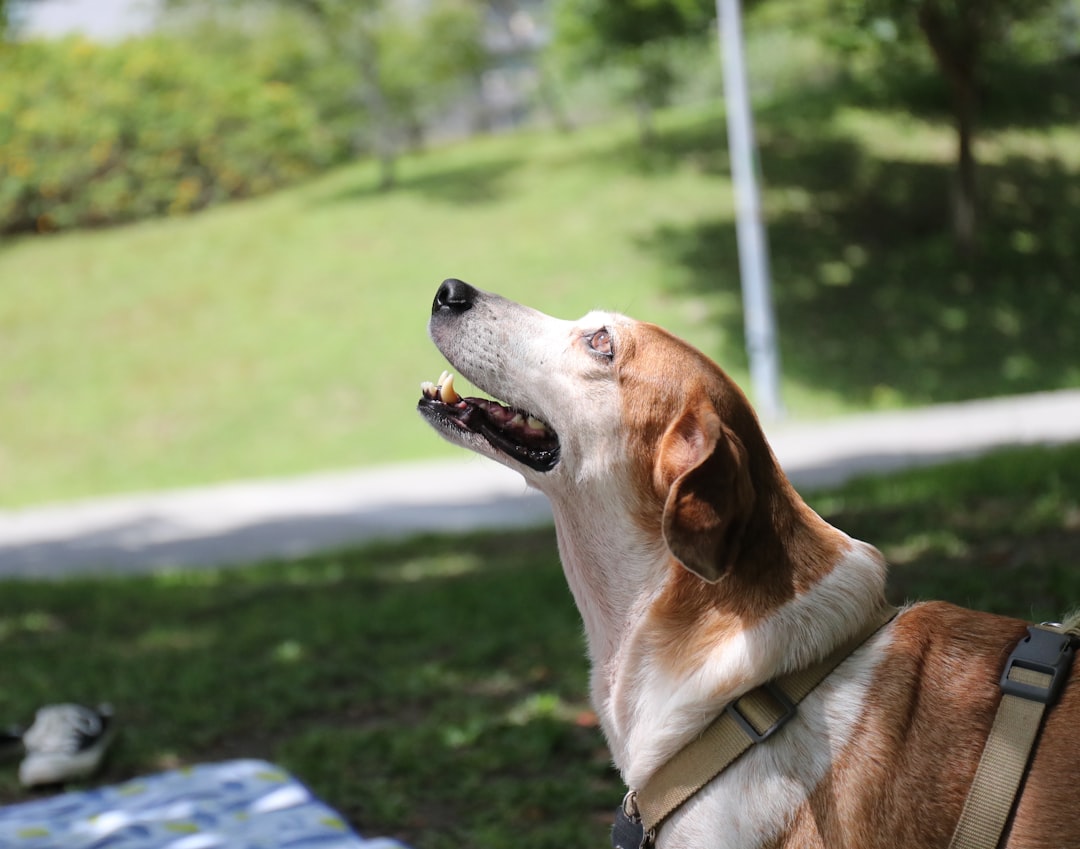
Photo by chen yanhui on Unsplash
What you feed your dog during IVDD recovery matters more than most post-op guides let on — and getting it wrong can quietly slow the healing process.
When Heidi came home from her IVDD surgery, eating was the last thing on her mind. She’d turn her nose up at the food she normally inhaled. I panicked a little, honestly. But appetite changes post-op are one of the most predictable parts of early recovery — and once I understood what was driving them, I could work with them instead of fighting them.
What’s Normal for Appetite After IVDD Surgery?
Most dogs show reduced appetite for the first 24–72 hours after IVDD surgery, and this is largely expected given the combination of anesthesia, post-operative pain, and the stress of hospitalization. Some dogs won’t touch food for a full day; others eat small amounts and stop. Both are typical.
What changes this picture is the medications. Prednisone (if your dog is on a steroid taper) often increases hunger after the first few days. Gabapentin and muscle relaxants, on the other hand, can cause mild sedation and nausea that suppresses appetite early on. If your dog is on opioid pain management in the hospital, that can also slow gut motility — meaning food doesn’t move through as quickly, which makes dogs feel full or vaguely uncomfortable.
What to watch for:
- No food or water in 48 hours: Call your vet. This isn’t something to wait out.
- Vomiting after eating: Can be a medication side effect, but persistent vomiting needs a vet call.
- Sudden voracious hunger: Often the prednisone kicking in around day 3–5. This is when calorie management becomes important.
- Refusing water: More concerning than refusing food. Dehydration compounds every other recovery challenge.
- No food eaten in 48 hours post-surgery
- No water intake in 24 hours
- Repeated vomiting after meals
- Signs of abdominal bloating or discomfort
How Do I Feed a Dog Who Can’t Sit Up Properly?
For dogs with hind-leg weakness or full paralysis, mealtime positioning is a genuine safety concern, not just a comfort issue. A dog who is fully prone — flat on the floor — while eating faces a higher risk of aspiration (inhaling food or water) and general digestive discomfort.
The goal is to get the front half slightly elevated. You don’t need special equipment for this:
- Rolled towel or small pillow under the chest: Prop the front end up 3–4 inches while keeping the dog stable on their side or in a sphinx position.
- Supported sitting: If your dog can maintain a modified sit with support, hold them gently upright during the meal. This was what worked best for Heidi in the first week.
- Raised bowl in sternal recumbency: If your dog can hold a sphinx (lying on the sternum with front legs forward), a slightly elevated bowl — even a book under the dish — reduces neck strain and makes swallowing easier.
For dogs with cervical (neck) IVDD specifically, avoid any position that requires the dog to crane their neck downward. A raised bowl at chest height is usually more comfortable and reduces pressure on the cervical discs.
Keep water accessible in a shallow bowl at all times, and check it frequently. Dogs in crates may knock water bowls over without you noticing. A clip-on water bottle or spill-resistant bowl is worth having during strict crate rest.
- Offer water every 1–2 hours during waking hours
- Add warm low-sodium broth to the water bowl if your dog is reluctant to drink
- Wet or moistened food contributes meaningfully to daily fluid intake
- Monitor urine output — pale yellow urine is the goal; dark yellow or no urination warrants a vet call
Softening Food and Managing Appetite Changes
If your dog is on steroid medications like prednisone, expect the appetite to swing dramatically within the first week. What starts as disinterest often flips to persistent hunger by day 4 or 5 as the steroid dose kicks in fully. This is one of the sneaky drivers of weight gain during crate rest — the dog suddenly wants more food right at the moment they’re getting almost no exercise.
For dogs struggling to eat due to nausea or jaw discomfort, softening their regular food helps. Add warm water or low-sodium chicken broth to dry kibble and let it sit for 5 minutes before serving. The warmth releases aroma, which is a strong appetite trigger for dogs, and the softer texture is easier to manage.
You can also temporarily transition to a higher-moisture food — canned versions of your dog’s usual brand, for example. This has the added benefit of boosting hydration during a period when many dogs drink less than normal.
What I found with Heidi was that smaller, more frequent meals worked better than two large ones during the first two weeks. Three smaller portions across the day kept her steadier, reduced the bloated-looking discomfort that sometimes comes with steroid use, and gave me more touchpoints to notice if she was off.
Why Does Weight Management During Crate Rest Matter So Much?
Every extra pound on a dog’s frame during IVDD recovery is additional stress on an already-compromised spine. During strict crate rest, your dog may be burning a fraction of their normal daily calories — no walks, no play, minimal movement. But their appetite (especially on steroids) may be completely normal or even elevated.
The practical solution is a modest calorie reduction. Many rehab specialists suggest reducing daily food intake by roughly 10–20% during the period of strict rest, though the right number depends on your dog’s baseline weight and how active they were before. A kitchen scale and a measuring cup are your best tools here — eyeballing kibble is surprisingly inaccurate.
For more detail on managing weight specifically, the weight loss protocol for IVDD dogs covers the full approach including how to calculate a target and track progress week by week.
- Measure food by weight or volume — don’t estimate
- Reduce daily calories by 10–20% during strict rest periods
- Weigh your dog weekly and adjust portions if weight is creeping up
- Use low-calorie treats (small pieces of carrot, green beans) for enrichment without significant caloric load
- Check in with your vet before significantly changing the diet
What Nutrients Actually Support Healing?
The research on specific nutrients for spinal recovery in dogs is limited, but there are some broadly supported principles worth knowing.
Protein: Healing tissue requires amino acids. Dogs recovering from surgery generally need adequate protein to support repair. A standard complete-and-balanced diet handles this, but if your dog is eating significantly reduced amounts due to appetite loss, protein intake can dip. Discuss with your vet if your dog is eating less than 60–70% of normal intake for more than a few days.
Omega-3 fatty acids: Many rehab vets and neurologists recommend omega-3 supplementation for dogs with spinal inflammation. Fish oil is the most common form. The anti-inflammatory effects are generally thought to be beneficial during recovery, though the evidence in dogs is still emerging. Our existing article on IVDD supplements covers which supplements have the most support and which aren’t worth the money.
Fiber: Constipation is a real and uncomfortable problem during crate rest and with some pain medications. Adding a small amount of plain canned pumpkin (not pie filling) to meals can help keep things moving. Many dogs do well with a teaspoon or two per meal. This is one of those small additions that makes a noticeable difference in comfort.
Water: Worth listing again as a nutrient because dehydration affects everything — kidney function, medication processing, tissue repair. A dog who isn’t drinking enough will recover more slowly and may be at elevated risk for urinary tract infections, which are already a concern for dogs with bladder involvement. If your dog is having bladder issues, the bladder expression guide is essential reading alongside this one.
Related Reading
- Weight Loss Protocol for an IVDD Dog
- IVDD Dog Diet: What We Feed Heidi (and What We Cut)
- Post-Op IVDD Care: The First 30 Days at Home
Feeding a recovering dog isn’t glamorous caregiving work — it’s measuring cups and warm broth and propping a wobbly dog upright so she doesn’t inhale her food sideways. But it’s one of the places where your daily effort genuinely adds up. Getting nutrition right during crate rest means your dog arrives at the rehab phase at a healthy weight, well hydrated, and not fighting constipation on top of everything else. That matters.
Frequently Asked Questions
Why won’t my dog eat after IVDD surgery?
Appetite suppression in the first 24–72 hours after IVDD surgery is very common. Anesthesia, pain medications, and general stress all reduce hunger. Offer small, warm, aromatic meals and contact your vet if your dog hasn’t eaten anything by the 48-hour mark.
How should I position a paralyzed dog to eat safely?
A dog with hind-leg paralysis should eat with their front half propped slightly upright — either in a supported sitting position or with their chest elevated on a rolled towel or low wedge. This reduces the risk of food or water going down the wrong way and helps with digestion.
Should I change my dog’s food after IVDD surgery?
You don’t need to overhaul the diet, but there are targeted adjustments worth making: slightly reduced calories to account for forced rest, softened food if jaw or neck involvement makes chewing painful, and added hydration if your dog is eating dry kibble only. Talk to your vet before making major diet changes.
How do I prevent weight gain during crate rest?
Reduce your dog’s daily food intake by roughly 10–20% during strict crate rest, since activity is dramatically lower than normal. Use a measuring cup rather than eyeballing, cut back on treats, and weigh your dog weekly. For more detail, the weight loss protocol article on this site covers the full approach.
This guide is based on real experience and should be used alongside professional veterinary care. Always consult your veterinarian before starting any new treatment or making changes to your dog’s care plan.