Gabapentin for Dogs With IVDD (+ Safe Drug Combos)
Can dogs take prednisone and gabapentin together? Yes — vets combine them for IVDD because each targets different pain. Full guide to safe combos.
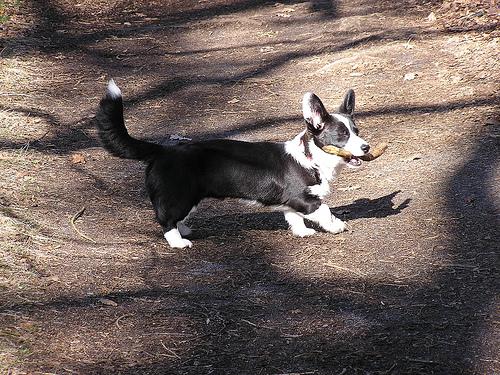
When Heidi was first diagnosed with IVDD, I was handed a bag of medications I didn’t fully understand, and I wish someone had explained what each one was actually doing.
Getting an IVDD diagnosis is terrifying enough. Then you walk out of the vet’s office with a fistful of prescriptions and a dog who’s clearly suffering, and you have no idea whether what you’re giving is working or why it matters. I’ve been there. This guide breaks down the medications most commonly prescribed for IVDD: what each one does, why your vet may have chosen it, what side effects to watch for, and how to manage the logistics of keeping everything on schedule during crate rest. This is information only — your vet sets the doses and the plan. Always.
If you’re new to IVDD and want a broader picture of what you’re dealing with, What Is IVDD in Dogs? is a good place to start.
What Are the Main Categories of IVDD Medications?
IVDD involves several overlapping problems at once: disc material pressing on the spinal cord causes inflammation, damaged nerve tissue sends pain signals, and muscles around the injury go into protective spasm. No single drug addresses all of that, which is why your dog may be on two or three medications at the same time, each doing a different job.
The four most commonly prescribed categories are:
- Corticosteroids (prednisone/prednisolone): Reduce spinal cord inflammation
- NSAIDs (carprofen, meloxicam, etc.): Reduce inflammation via a different mechanism, and cannot be combined with steroids
- Gabapentin: Calms nerve pain signals
- Methocarbamol: Relaxes muscle spasms
- Tramadol: Manages moderate-to-severe pain through opioid-like pathways
Let’s go through each one.
How Does Gabapentin Help an IVDD Dog?
Gabapentin addresses nerve pain specifically: the type of pain that comes from damaged or irritated nerve tissue in the spinal cord. The Merck Veterinary Manual describes it as a calcium channel blocker used to inhibit neurons stimulated by pain, useful for chronic or neuropathic pain — a different tool than steroids or NSAIDs, which act on inflammation.
For IVDD dogs, gabapentin is used because spinal disc injuries cause neuropathic pain, a burning, tingling, or hypersensitive sensation that standard pain relievers don’t address well. Many dogs with IVDD are unusually sensitive to touch along their back, a phenomenon called allodynia, and gabapentin is generally thought to help with that.
Common side effects:
- Sedation: Gabapentin causes noticeable sleepiness, especially at first. VCA Hospitals lists sedation and incoordination among its side effects, and notes they can be reduced by increasing the dose gradually. During crate rest, this can actually be helpful — a calm, drowsy dog is less likely to thrash or try to escape.
- Wobbliness (ataxia): Some dogs seem more uncoordinated on gabapentin. This can be hard to distinguish from IVDD weakness, so flag anything new to your vet.
- Reduced appetite: Usually mild and temporary.
Owner tip: Don’t stop gabapentin suddenly on your own. VCA specifically warns against abrupt discontinuation in pets with epilepsy, where it can trigger withdrawal seizures. For dogs on gabapentin for IVDD pain rather than seizures, tapering is standard practice — ask your vet how they want it stopped rather than assuming. Keep this in mind if you’re ever running low on a refill — contact your vet before you run out.
- The sedative effect of gabapentin is often a feature, not just a side effect, during the crate rest phase — a calmer dog does less damage during recovery
- Timing doses to align with your dog’s most restless periods (late evening, early morning) can help
- Some dogs adjust to the sedation over several days; others stay noticeably sleepy throughout treatment
- If the sedation seems excessive or your dog can’t hold their head up, call your vet
Prednisone and NSAIDs: The Inflammation Fighters
Inflammation is one of the biggest drivers of damage after an IVDD episode. When a disc herniates, the spinal cord doesn’t just get compressed: it gets inflamed, which compounds the injury. Anti-inflammatory medications are almost always part of the initial treatment plan.
Prednisone / Prednisolone (Corticosteroids)
Prednisone is a corticosteroid, a powerful anti-inflammatory that reduces swelling around the spinal cord. It’s often used in the acute (sudden onset) phase of IVDD, particularly in more severe cases, because it works quickly and aggressively.
Common side effects owners notice include:
- Increased thirst and urination: Your dog will drink a lot more and need more frequent bathroom breaks. This is tricky during strict crate rest, so plan for it.
- Increased hunger: Some dogs act ravenous on prednisone; don’t free-feed
- Panting: Especially noticeable at night
- GI upset: Nausea, soft stools, or vomiting, especially on an empty stomach
Owner tip: Give prednisone with food to reduce stomach upset. If your dog is on strict crate rest and drinking excessively, you may need to set a nighttime bathroom alarm. This is temporary — the side effects typically ease as the dose is tapered.
Prednisone is tapered (gradually reduced) rather than stopped abruptly. Follow your vet’s tapering schedule exactly.
NSAIDs (Non-Steroidal Anti-Inflammatory Drugs)
NSAIDs like carprofen (Rimadyl), meloxicam (Metacam), and deracoxib (Deramaxx) reduce inflammation through a different pathway than steroids. They’re often used in milder IVDD cases, or later in recovery when the acute phase has passed.
Common side effects to watch for:
- GI upset: Vomiting, diarrhea, reduced appetite
- Liver and kidney strain: With long-term use, your vet may recommend periodic bloodwork
Owner tip: Never give NSAIDs on an empty stomach. And watch your dog’s appetite closely — a sudden drop in appetite while on an NSAID can signal GI irritation.
- Giving prednisone and any NSAID (carprofen, meloxicam, aspirin, ibuprofen) at the same time causes a serious risk of GI ulceration and internal bleeding in dogs
- This combination is dangerous even when given close together in time — there needs to be a washout period between them if your vet switches from one to the other
- Your vet will choose one approach, not both — if you’re ever unsure which category a medication falls into, ask before giving it
- Never give over-the-counter human pain relievers to your dog during IVDD recovery
What Does Methocarbamol Do for IVDD?
Methocarbamol is a muscle relaxant. When a disc herniates, the muscles surrounding the injury go into spasm, a protective reaction that also causes significant pain and rigidity. Methocarbamol works on the central nervous system to reduce that spasm.
It doesn’t treat the disc injury itself or the inflammation: it specifically targets the muscle component of the pain picture.
Common side effects:
- Sedation: Like gabapentin, methocarbamol causes drowsiness
- Weakness: Some dogs seem wobbly or unsteady
- Drooling or nausea: Less common, but worth noting
Owner tip: Because both methocarbamol and gabapentin can cause sedation, dogs on both may be quite sleepy. This is expected and usually appropriate during strict crate rest. If your dog seems unable to rouse or is having trouble swallowing, call your vet.
Tramadol: When Pain Management Needs More Support
Tramadol is an opioid-like pain medication used for moderate to severe pain. It works differently from anti-inflammatories: rather than targeting the source of inflammation, it modifies how the brain and spinal cord perceive pain signals.
In IVDD cases, tramadol may be used alongside anti-inflammatory medications, particularly in the acute phase when pain is significant. It’s generally used short-term during the most painful period of recovery.
Common side effects:
- Sedation: Tramadol can cause significant drowsiness
- GI effects: Constipation, nausea, or reduced appetite
- Dysphoria: Some dogs seem anxious, restless, or “not themselves” on tramadol — if your dog seems distressed rather than just sleepy, flag this to your vet
Owner tip: Tramadol is sometimes described as less reliably effective for pain in dogs than in humans — the metabolic pathway differs. Your vet is the right person to assess whether tramadol is doing enough for your dog. If your dog still seems to be in significant pain, say so.
- Crying, whimpering, or vocalizing unprompted
- Inability to settle or constant repositioning
- Refusing food entirely for more than 24 hours
- Trembling, guarding the back, or flinching when touched
- Any of these during medication treatment warrants a call to your vet — don’t assume the meds just need more time
Managing Medications During Crate Rest
Keeping a multi-drug schedule straight while also managing crate rest, bladder care, and your own sleep deprivation is genuinely hard. Here’s what helps:
- Write out the schedule: Don’t rely on memory. A simple chart on the fridge with medication name, dose timing, and food requirements prevents errors.
- Set phone alarms: One per medication if needed. This is especially important for medications with narrow timing windows.
- Track your supply: Gabapentin and tramadol in particular run out faster than you expect. Request refills before you’re on the last day.
- Note side effects in writing: If your vet asks whether a medication is helping or causing problems, you’ll have actual observations rather than a foggy recollection.
For a complete picture of what the early recovery period looks like day by day, IVDD Recovery Days 1–7: The Critical First Week walks through exactly what to expect, medications and all.
And if you’re still deciding between surgery and conservative management, IVDD Surgery vs. Conservative Care covers how treatment path affects medication protocol.
- Give all medications at consistent times each day — consistency matters for efficacy and side effect management
- Always give stomach-sensitizing drugs (NSAIDs, prednisone) with food
- Never skip a dose without checking with your vet first — some medications need to be tapered, not just stopped
- Keep a running list of all medications in your phone or wallet in case you need an emergency vet visit
The medication phase of IVDD recovery is temporary, even when it doesn’t feel that way. Understanding what each drug is doing, and why, makes it a little easier to trust the process and advocate clearly for your dog when something doesn’t seem right.
Can Dogs Take Prednisone and Gabapentin Together?
Yes — prednisone and gabapentin are commonly prescribed together for IVDD, and the combination is considered safe because they target different problems. Prednisone reduces spinal cord inflammation, while gabapentin calms the nerve pain that inflammation isn’t fully addressing. Vets rely on this pairing routinely during the acute phase of a disc episode.
The reason the combination works is that these two drugs act on completely different pathways. Prednisone is a corticosteroid that reduces swelling around the compressed spinal cord. Gabapentin works on the nervous system itself, quieting the overactive nerve signals that produce the burning, tingling, or hypersensitivity many IVDD dogs experience. Neither drug interferes with how the other one works.
What caregivers typically see: prednisone is prescribed for a defined stretch and tapered gradually over a few weeks, while gabapentin may continue longer and is also tapered at the end rather than stopped abruptly. The two side effects worth watching when your dog is on both are sedation stacking (gabapentin causes drowsiness on its own; a tired dog on prednisone may seem unusually flat) and GI upset (prednisone irritates the stomach lining, so give it with food). The one combination that is genuinely dangerous is prednisone with an NSAID — that mix is covered in detail in the callout above and should never happen.
Plenty of dogs arrive at an IVDD diagnosis already taking gabapentin for something else, usually arthritis. That is a different prescribing pattern — a long-term add-on rather than an acute-phase drug — and gabapentin for arthritic dogs covers it, which is worth reading before assuming the existing dose is the right one for a disc episode.
For a deeper look at what the acute phase of a disc episode actually involves, the stages guide walks through what your dog’s grade means for the medication protocol.
Can Dogs Take Gabapentin and Methocarbamol Together?
Yes — gabapentin and methocarbamol are frequently prescribed together for IVDD dogs. Gabapentin handles nerve pain from the disc injury, and methocarbamol relaxes the protective muscle spasm around the injured area; VCA lists intervertebral disc disease directly among methocarbamol’s indications. It is a routine pairing, but not a free one: VCA advises that central nervous system depressants be used with caution alongside methocarbamol, and gabapentin is one. Expect your vet to monitor sedation level rather than treat the combination as automatically fine. Because they target different components of the pain picture, they’re a routine pairing during the crate rest phase.
Both drugs work on the central nervous system but do different jobs there. Gabapentin quiets nerve pain signals; methocarbamol reduces muscle rigidity and spasm. The overlap worth flagging is sedation: VCA lists sleepiness as methocarbamol’s most common side effect, and gabapentin causes it too, and a dog on both can be visibly sleepy, sometimes for the entire crate rest window. This is usually appropriate rather than alarming — a calmer dog does less thrashing and less damage during recovery.
Watch for these specific signs on the combination: excessive wobbliness that seems worse than IVDD weakness alone, difficulty rousing your dog for meals or bathroom breaks, or trouble swallowing. Any of those warrants a call to the vet for a dose adjustment. Otherwise, expect a dog who sleeps a lot, wakes for food, and gradually becomes less sedated as either drug is tapered. Both should be tapered rather than stopped abruptly, especially gabapentin.
Can Dogs Take Prednisone, Gabapentin, and Methocarbamol at the Same Time?
Yes — this three-drug combination is one of the most common IVDD medication protocols during the acute phase and is considered safe when prescribed together. Prednisone addresses inflammation, gabapentin handles nerve pain, and methocarbamol relaxes muscle spasm. Each drug targets a different piece of the injury, which is exactly why so many IVDD dogs are on all three at once.
If your dog was sent home with all three, the reasoning is straightforward: an IVDD episode involves inflammation, nerve pain, and muscle spasm simultaneously, and no single drug covers all three. What you’ll typically see is prednisone tapered first (often over two to three weeks), then methocarbamol tapered as the muscle spasm resolves, with gabapentin often continuing longest as the nerve pain settles slowly.
Side effects worth watching when your dog is on all three: significant sedation (gabapentin plus methocarbamol both cause drowsiness), increased thirst and urination (prednisone), and GI upset (also prednisone). Give the prednisone with food, plan for extra bathroom breaks even during strict crate rest, and expect a sleepy dog. The dangerous combination to remember is not this three-drug protocol — it’s replacing the prednisone with an NSAID while the other is still in the system. That specific interaction is covered in the callout above.
Related Reading
- IVDD Emergency Signs: When to Rush Your Dog to the Vet
- IVDD Recovery Days 1–7: The Critical First Week
- Crate Rest for IVDD Dogs: A Survival Guide
- The 5 IVDD Stages Explained: Symptoms & Recovery Odds
- Which Dog Breeds Get IVDD Most? The At-Risk Breed List
- Looking for a rehab vet near you? Our IVDD specialist finder lists practices with PT, hydrotherapy, and conservative-care experience by state.
Frequently Asked Questions
Can my dog take prednisone and an NSAID at the same time for IVDD?
No — this is one of the most important rules in IVDD medication management. Combining prednisone (a corticosteroid) with any NSAID like carprofen or meloxicam causes a serious risk of gastrointestinal ulceration and internal bleeding. Your vet will choose one or the other, never both.
What does gabapentin do for an IVDD dog?
Gabapentin addresses nerve pain, which is the type of pain most common in spinal disc injuries. It works on the nervous system rather than blocking inflammation, making it especially useful for the burning, tingling, or hypersensitivity that many IVDD dogs experience. It also has mild sedative effects, which can actually help during crate rest.
How long will my dog be on IVDD medications?
It depends on the medication and the severity of the injury. Steroids are typically tapered over a few weeks. Gabapentin may be used for a longer stretch and is usually tapered gradually rather than stopped abruptly. Your vet will set a specific schedule — follow it exactly and don’t stop any medication early without checking first.
My dog is on IVDD meds but still seems uncomfortable — what should I do?
Call your vet. Never add an over-the-counter pain reliever like ibuprofen, acetaminophen, or aspirin — these are toxic to dogs, and layering medications without guidance is dangerous. Your vet may adjust the dose, switch medications, or investigate whether something else is going on.
This guide is based on real experience and should be used alongside professional veterinary care. Always consult your veterinarian before starting any new treatment or making changes to your dog’s care plan.