IVDD in Pugs: Signs, Risk, and Recovery
Pugs face a double threat: IVDD and hemivertebrae that mimic each other. Plus the anesthesia risk that complicates surgery. What owners need to know before a…
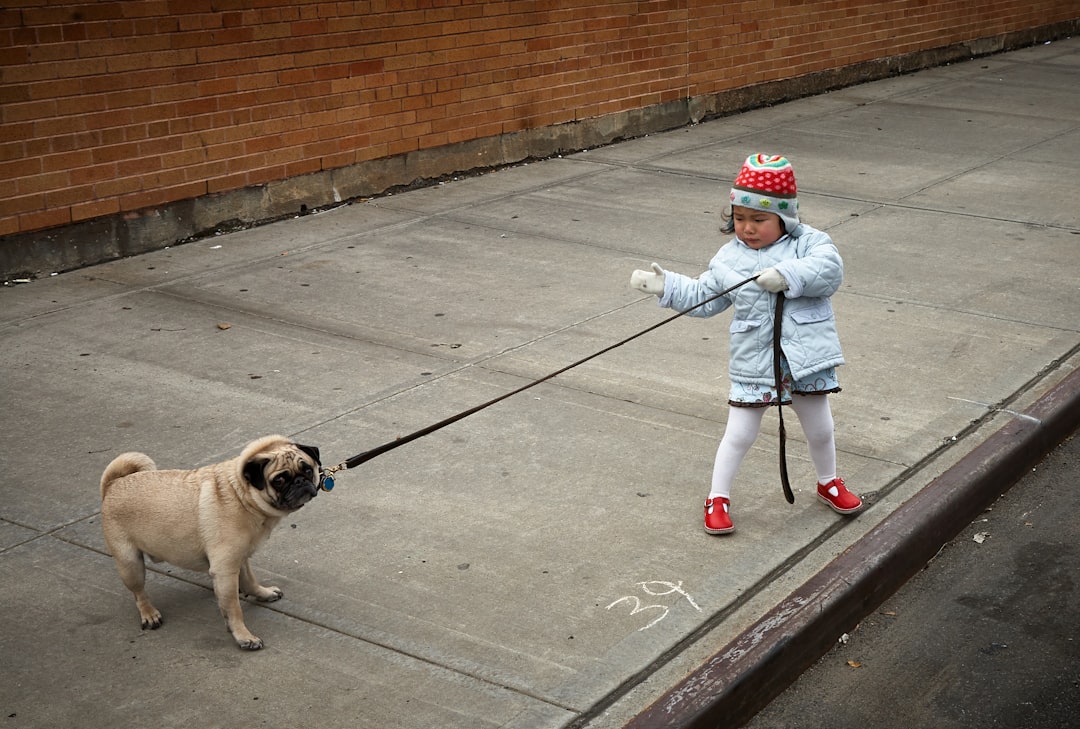
Photo by Vidar Nordli-Mathisen on Unsplash
Pugs carry two spinal risks that other breeds don’t have to juggle at once — and telling them apart makes all the difference in treatment.
If you share your life with a pug, you already know they’re built differently. That flat face, those expressive eyes, the corkscrew tail — it’s all part of their unique anatomy. But that same compressed, brachycephalic body comes with a real orthopedic downside: pugs are at genuine risk for IVDD, and they also have a high prevalence of hemivertebrae, a separate structural problem that looks remarkably similar and is often mistaken for IVDD or co-occurs with it. Add in the anesthesia complications that come with any brachycephalic breed, and you have a dog where spinal disease is more complicated to diagnose and treat than it is in, say, a dachshund.
Why Are Pugs at Risk for IVDD?
Pugs are chondrodystrophic dogs — a category that includes dachshunds, French bulldogs, corgis, and beagles. This means they carry an FGF4 gene insertion that causes their cartilage and intervertebral discs to degenerate earlier than they should. In a healthy dog, disc material stays soft and pliable for years. In a chondrodystrophic dog, those discs begin calcifying and drying out in early adulthood. When a calcified disc ruptures, it can fire disc material directly into the spinal canal — that’s Hansen Type I IVDD, and it’s the sudden, often dramatic presentation that sends owners rushing to an emergency vet.
Pugs are most commonly affected in the thoracolumbar region (the junction between the mid-back and lower back), though cervical disc disease also occurs. If you want a deeper look at how disc location affects symptoms and treatment options, the overview at Cervical vs Thoracolumbar IVDD: Why Location on the Spine Matters explains the differences clearly.
- Yelping or crying out when picked up or touched along the back
- Hunched or roached posture, especially after rest
- Reluctance to jump onto furniture or use stairs
- Hind-leg weakness, wobbling, or knuckling under
- Dragging one or both back legs
- Loss of bladder or bowel control
What Is Hemivertebrae, and Why Does It Complicate the Picture?
Hemivertebrae are vertebrae that didn’t form correctly during development — instead of a normal rectangular shape, they’re wedge-shaped or triangular. This causes a kink or curve in the spine that can compress the spinal cord, even without any disc involvement. Pugs have one of the highest rates of hemivertebrae of any breed, and the condition often creates exactly the same symptoms as IVDD: hind-leg weakness, wobbly gait, difficulty walking, and eventually paralysis.
Here’s what makes it genuinely tricky: a pug can have hemivertebrae and IVDD at the same time. The hemivertebrae create spinal instability that makes nearby discs more vulnerable to herniation. So when a pug presents with hindlimb weakness, the answer isn’t always “IVDD” or “hemivertebrae” — sometimes it’s both.
This distinction matters enormously for treatment. IVDD is often treated with surgery to remove the herniated disc material (a hemilaminectomy or ventral slot procedure). Hemivertebrae-driven compression may require a different surgical approach, or it may be managed conservatively if the cord compression is mild and stable. Operating for IVDD without knowing a pug also has hemivertebrae at an adjacent segment can lead to unexpected surgical findings and may change the prognosis.
What Imaging Do You Actually Need?
An X-ray can show calcified discs and hint at hemivertebrae, but it cannot tell you whether the spinal cord is actually being compressed or identify the exact source of compression. MRI is the gold standard for soft tissue visualization; CT scan is excellent for bony detail and disc calcification. In a pug with spinal symptoms, most veterinary neurologists will want cross-sectional imaging before recommending surgery.
The IVDD Imaging Explained: MRI vs CT vs Myelogram vs X-Ray article covers what each imaging type can and can’t show — worth reading before you head to a specialist appointment.
- Cause: Hemivertebrae = malformed vertebra (developmental); IVDD = disc material rupturing into the spinal canal
- Onset: Hemivertebrae symptoms may develop gradually in puppyhood or young adulthood; IVDD can be sudden
- Imaging: Hemivertebrae visible on X-ray as a wedge-shaped vertebra; spinal cord compression requires MRI or CT
- Treatment: IVDD often treated with hemilaminectomy; hemivertebrae may require different surgical stabilization or conservative management
- Co-occurrence: Both conditions can exist simultaneously in the same pug
How Does the Brachycephalic Airway Change the Surgery Decision?
This is the part most breed articles skip, and it’s genuinely important. Pugs have brachycephalic obstructive airway syndrome (BOAS) — their soft palate is elongated, their nostrils are narrow, and their airway is compressed in ways that create real complications under general anesthesia. Intubation is more difficult, recovery from anesthesia can be turbulent, and post-op airway swelling is a meaningful risk.
The American College of Veterinary Surgeons recommends that brachycephalic patients undergoing surgery be assessed by an experienced team with specific protocols for airway management before, during, and after the procedure. This doesn’t mean pug IVDD surgery is off the table — many pugs have surgery and do beautifully. But it does mean the conversation with your veterinary team needs to include:
- An airway assessment before surgery is scheduled
- Confirmation that the surgical team has brachycephalic anesthesia experience
- A clear plan for post-operative monitoring, particularly in the first few hours of recovery
- A frank discussion of whether the dog’s BOAS severity places them at elevated risk
From what I’ve heard consistently from owners in the disabled dog community: the outcome often hinges less on the IVDD surgery itself and more on choosing a team that truly understands brachycephalic anesthesia. A board-certified veterinary anesthesiologist or a facility with high brachycephalic surgical volume is worth seeking out.
- Sudden inability to use back legs — don’t wait until morning
- Loss of bladder or bowel control appearing over hours
- Complete paralysis of hindquarters
- Loss of deep pain sensation in the hind paws (a veterinary emergency)
- Rapid breathing or labored breathing alongside any neurological signs
What Does Treatment Look Like for a Pug With IVDD?
The staging system used for all IVDD cases applies to pugs as well. At Grade 1 and 2 (pain without significant weakness), strict crate rest and anti-inflammatory medication is typically the first line of management. At Grade 3 and 4 (weakness, difficulty walking, partial paralysis), the surgery conversation becomes more urgent, weighted against the brachycephalic anesthesia risk. At Grade 5 (complete paralysis, loss of deep pain sensation), surgery needs to happen within hours to days for the best chance of recovery.
The full staging breakdown is at IVDD Stages 1–5: Symptoms, Recovery Odds by Stage — worth bookmarking if you haven’t already.
For conservative management in lower-grade cases, the calcified-disc nature of Hansen Type I IVDD means the disc material that’s already in the canal doesn’t reabsorb easily. Conservative care manages the inflammation and gives the spinal cord time to recover from the insult, but it doesn’t remove the disc material. Many caregivers and rehab specialists believe that a structured rehabilitation program — passive range-of-motion exercises, controlled short walks, and potentially hydrotherapy when cleared — may support neurological recovery, though outcomes vary considerably.
One practical note: weight management is non-negotiable for pugs. Pugs are predisposed to obesity, and extra weight puts direct additional load on already-compromised discs. A lean pug is a pug with better long-term spinal odds.
Conservative vs. Surgical: Questions Worth Asking
Understanding which path is right for your pug requires a veterinary neurologist’s input — not just a general practice assessment. The core questions from IVDD Surgery vs. Conservative Care: How to Decide apply here, with one pug-specific addition: make sure “what’s the plan for the airway?” is on your list before you agree to a surgical date.
- Request referral to a veterinary neurologist for advanced imaging and staging
- Ask specifically whether hemivertebrae is present at or near the affected level
- Confirm the surgical team has brachycephalic anesthesia protocols before consenting
- Begin strict activity restriction immediately — no jumping, stairs, or rough play
- Discuss pain management options; pugs often need multimodal pain control
Related Reading
- IVDD Stages 1–5: Symptoms, Recovery Odds by Stage
- Cervical vs Thoracolumbar IVDD: Why Location on the Spine Matters
- French Bulldog IVDD: Risks and What to Watch For
Frequently Asked Questions
Are pugs at high risk for IVDD?
Yes. Pugs carry the chondrodystrophic gene mutation associated with Hansen Type I IVDD, which causes premature disc degeneration. Their discs can begin calcifying in early adulthood, well before most owners expect spinal problems.
How is hemivertebrae different from IVDD in pugs?
Hemivertebrae are wedge-shaped vertebrae that form during development — they cause instability and spinal cord compression from the vertebra itself, not from disc material. IVDD involves disc material rupturing into the spinal canal. Both can cause similar symptoms, and they can occur together, which is why imaging is essential for an accurate diagnosis.
Can a pug with IVDD have surgery safely?
Yes, but the brachycephalic airway anatomy increases anesthesia risk compared to other breeds. A board-certified anesthesiologist or experienced brachycephalic surgical team should be involved. Pre-surgical airway assessment and careful post-operative monitoring are important steps.
What are the early signs of IVDD in a pug?
Early signs include yelping when picked up, reluctance to jump or use stairs, a hunched or roached back posture, stiffness after rest, and subtle hind-leg wobbling. Because these symptoms overlap with hemivertebrae, any sign of spinal trouble warrants prompt veterinary evaluation.
Caring for a pug with spinal disease is more nuanced than it looks from the outside — you’re not just managing one condition, you’re often navigating two that overlap, on top of an airway that complicates every anesthesia decision. That’s a lot to hold at once. But knowing what you’re dealing with, asking the right questions before imaging and before surgery, and finding a team with brachycephalic experience gives your pug a genuinely fighting chance. These little dogs are tougher than they look.
This guide is based on real experience and should be used alongside professional veterinary care. Always consult your veterinarian before starting any new treatment or making changes to your dog’s care plan.