IVDD Dog and Small Kids in the House
Terrified your toddler will re-injure your IVDD dog? Age-appropriate rules, crate placement, safe interaction, and how to manage bathroom trips with little…
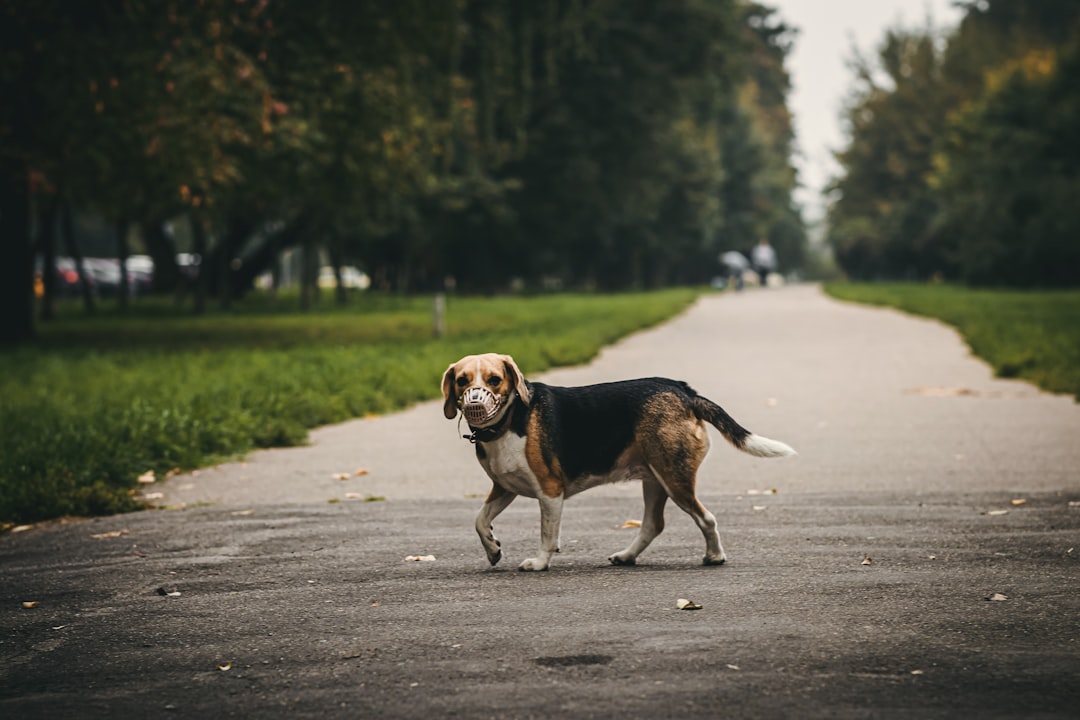
Photo by Artem Beliaikin on Unsplash
The fear is real: one wrong grab, one running tackle, and everything your dog just recovered from could start all over again.
If you’re reading this, you’re probably managing crate rest schedules, medication timing, and a toddler who cannot understand why they can’t hug the dog. I have so much empathy for this situation. The anxiety of watching a small child barrel toward a recovering spine patient is next-level stressful. The good news is that you can make this work with the right physical setup and some very clear household rules.
Why Small Children Are the Highest-Risk Variable
Small children are unpredictable in exactly the ways that an IVDD spine cannot tolerate. A two-year-old who trips and grabs the dog for balance, a preschooler who picks up the dog without warning, a toddler who runs shrieking with excitement — any of these can compress a recovering disc or trigger a pain response severe enough to cause a setback.
IVDD recovery depends on keeping spinal movement minimal and controlled. That’s why vets prescribe strict crate rest — even seemingly small jolts count. A dog who is still in the inflammation phase has essentially no margin for error.
This isn’t about blaming children. It’s about understanding that they genuinely cannot regulate their behavior around an injured dog the way adults can, and the setup needs to protect the dog from that reality.
- Child running toward dog at full speed
- Child attempting to pick up or drag the dog
- Child falling onto or near the dog
- Dog startling and twisting suddenly in response to a loud or sudden noise
- Bathroom trips managed simultaneously with a toddler in motion
Setting Up Your Space: Gates, Pens, and Crate Placement
The single most important thing you can do is make the physical environment do the work for you. Rules alone will not protect your dog when you turn around for 30 seconds.
Crate Placement
Put the crate somewhere a small child cannot access without an adult. A bedroom, a home office, or a laundry room works well. Avoid the living room or kitchen if those are high-traffic, high-noise areas where kids play and run. The dog needs rest, and that means quiet.
The medium dog cage we used for Heidi during her conservative management rest period went in our bedroom — door closed. That one decision eliminated a huge amount of daily anxiety.
Baby Gates and Exercise Pens
Use a baby gate to block the doorway of whatever room the crate lives in. This creates a two-layer protection system: the gate keeps the child out of the room, and the crate keeps the dog contained and protected even if someone slips past.
For open-plan homes where a room-based approach isn’t possible, set up an exercise pen (X-pen) around the crate itself. This gives the dog a larger protected zone while still preventing a child from walking right up and poking through the crate bars.
Key placement principles:
- Never put the crate in a hallway or thoroughfare: Kids run through those without slowing down.
- Elevate the gate or choose a tall one: Toddlers climb. A standard pressure-mounted gate is not a toddler deterrent by age 2.5.
- Create a buffer zone: Ideally there’s at least 3–4 feet of gated space between the crate and where the child can get to, so a child pressed against the gate can’t reach through to the dog.
- Baby gate on the crate room doorway
- Exercise pen around the crate if the room can’t be gated
- Crate in a quiet, low-traffic area
- Non-slip mat or traction flooring between crate and door (for when the dog is briefly out)
- Dog’s leash accessible at the gate so you can clip on before entering the space
Age-Appropriate Rules for Kids
The rules have to match what the child can actually understand and follow — not what you wish they could follow.
Under Age 3
Assume zero reliable rule-following. Children under 3 are not being naughty when they rush the dog — they genuinely cannot regulate the impulse. Your job is 100% physical setup and direct adult supervision. If you cannot have your hands on or immediately next to both child and dog at the same time, they should not be in the same space.
Ages 3–5
Simple rules can start to stick with repetition. Keep them to two or three maximum:
- No picking up the dog — ever. Not even to help.
- No running near the dog.
- Gentle hands only — touch the dog’s back gently or not at all.
Rehearse these rules when the dog is not present. Use role-play with a stuffed animal. Reinforce calmly and immediately every single time a rule is broken — not harshly, but consistently.
Ages 6 and Up
Most school-age children can understand a slightly more detailed explanation: “The dog has a hurt spine. If you pick her up wrong or she jumps and twists, she could get hurt again and have to go back to the vet.” That framing lands better than a rule alone because it gives the why.
Older children can also become helpers — they can tell you if the dog is acting strangely, remind younger siblings of the rules, and participate in calm floor-level interaction.
What Does Safe Interaction Actually Look Like?
Keeping them completely separated at all times is not realistic long-term, and it’s also not necessary. What matters is the quality and supervision of the interaction.
Safe interaction for an IVDD dog with small children looks like this:
- On the floor, with the dog lying down. No interaction where the dog is standing unsupported and could be knocked.
- Adult sitting between child and dog. You are the buffer. Your body literally controls what the child’s hands can reach.
- Short duration. Two to three minutes, then redirect the child to another activity.
- Calm voices. Squeal-level excitement makes dogs startle and twist. If the child can’t stay calm, the interaction ends.
- No touching the spine. If the child is going to pet, it’s ears, cheeks, and chest only — not along the back.
This kind of interaction can be genuinely sweet and bonding. The dog still gets social contact. The child gets to feel connected. But you control the conditions.
- Sit cross-legged on the floor with the dog in your lap or beside you
- Let the child offer a treat from a flat palm — focuses their hands and teaches gentleness
- Read a book together with the dog resting nearby (calm activity, no sudden movement)
- Give the child a specific job: “You’re in charge of making sure we stay calm”
How Do You Handle Bathroom Trips With a Toddler Around?
Bathroom trips are one of the highest-risk moments in a household with small kids and an IVDD dog, because you’re mobile, the dog is on a leash, and a toddler can close the gap between you and them in seconds.
The answer is to never manage both simultaneously if you can avoid it.
The sequence that works:
- Secure the toddler first. Playpen, high chair, gated room, a trusted older sibling — whatever puts the child safely contained for five minutes.
- Then clip the leash to the dog and head outside.
- Keep the leash short and controlled. No letting the dog wander to the end of the lead where a sudden lunge could torque the spine.
- Return inside, get the dog settled, then release the toddler.
If you’re solo parenting and a playpen isn’t an option, bring the toddler outside with you on a harness or hold their hand — but recognize that you are now operating in reactive mode. Stay near the door, keep the trip short, and skip the sniff-and-explore portion.
The article on getting your IVDD dog to the bathroom post-op covers the physical support techniques in more detail if you’re also managing mobility issues during these trips.
When to Keep Them Fully Separated
There are specific situations where the answer is just: keep them apart, no exceptions.
- During the first two weeks post-surgery or immediately post-diagnosis, when the spine is most vulnerable
- When the dog is showing pain signals (trembling, hunched posture, reluctance to move)
- When the child is in a dysregulated state — tired, crying, overstimulated
- Mealtimes, when the child is moving fast and unpredictably to get to the table
- Any time you cannot be in the room with both of them
It’s also worth having an honest conversation with any adults in the house about the rules applying to them too. Grandparents who want to “just let the dog out for a minute” without understanding the recovery stakes are just as much a risk factor as a toddler.
Understanding where your dog is in the recovery process helps you calibrate how strict you need to be. A Grade 1 dog doing conservative management needs different precautions than a Grade 4 dog two weeks post-surgery, but both need protection from unpredictable physical contact.
Related Reading
- Crate Rest for IVDD Dogs: A Survival Guide
- IVDD in a Multi-Level Home: Ramps, Gates, and the No-Stairs Reality
- IVDD Recovery Setbacks: What’s Normal vs. a Vet Call
You are not a bad parent or a bad dog owner for finding this hard. You are managing two beings who both need your protection and neither of whom fully understands the other’s situation. Give yourself credit for even thinking this carefully about it — a lot of dogs get re-injured because no one thought to set the structure up in the first place. You’re already doing better than you think.
Frequently Asked Questions
Can a toddler accidentally re-injure an IVDD dog?
Yes — a sudden jump, grab, or fall onto a recovering IVDD dog can absolutely cause a setback or a second disc episode. Even gentle contact in the wrong spot while the spine is inflamed can cause serious pain. Physical separation during unsupervised moments is the safest policy.
What age can a child understand IVDD rules?
Most children can follow simple rules like “no picking up the dog” by around age 3–4, though they need constant reminders and supervision. Under age 3, treat all child-dog interaction as requiring direct adult hands-on oversight — not just visual monitoring.
Where should I put the crate in a house with small kids?
Place the crate in a room the child cannot access unsupervised, or use a baby gate or exercise pen to create a buffer zone around it. Quiet rooms like a bedroom or home office tend to work better than high-traffic family areas where kids run and shout.
How do I handle bathroom trips when a toddler is always underfoot?
The safest method is to put the toddler in a safe, enclosed space first — a playpen, high chair, or gated room — before bringing the dog outside. Trying to manage both at once is when accidents happen.
This guide is based on real experience and should be used alongside professional veterinary care. Always consult your veterinarian before starting any new treatment or making changes to your dog’s care plan.