IVDD Without Surgery: Conservative Management That Works
Crate rest, pain meds, and rehab for IVDD dogs when surgery isn't the answer — realistic recovery timelines and the day-to-day Heidi lived through.
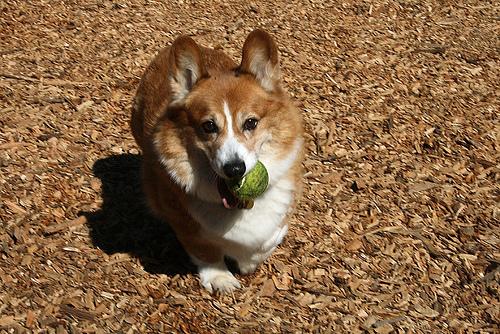
If your dog was just diagnosed with IVDD and surgery isn’t on the table (whether by choice or circumstance), conservative management can absolutely work, but it demands your full commitment for weeks.
I remember sitting on the floor of my vet’s office, notepad in hand, trying to absorb words like “intervertebral disc disease” and “Grade 3” while Heidi just looked up at me like everything was fine. Conservative management is the path we took, and it’s one I know inside and out now: the hard parts, the hopeful parts, and the stuff nobody warns you about.
This is what I wish someone had handed me that day.
What Does “Conservative Management” Actually Mean?
Conservative management (sometimes called “conservative treatment”) means managing IVDD without spinal surgery. Instead, the approach relies on:
- Strict crate rest to allow the disc to stabilize
- Anti-inflammatory medications to reduce swelling around the spinal cord
- Pain management to keep your dog comfortable
- Gradual, controlled rehabilitation once the acute phase passes
It’s the recommended path for dogs in Grades 1–3 (pain, mild weakness, some loss of coordination) and is sometimes chosen for Grade 4 dogs when surgery isn’t an option. It is generally not recommended as a first choice for Grade 5 (complete paralysis with no deep pain sensation), where surgery offers the best chance of recovery. If you’re still weighing your options, this breakdown of surgery vs. conservative care may help you think it through.
- Grade 1: Pain only, no weakness
- Grade 2: Pain + mild weakness, still walking
- Grade 3: Significant weakness, wobbly walking
- Grade 4: Cannot walk, but still feels deep pain
- Grade 5: Cannot walk, no deep pain sensation
Grade determines your options. Always confirm your dog’s grade with your vet before choosing a treatment path.
The First Two Weeks: This Is the Hard Part
I won’t sugarcoat it: the first week is brutal. Not because your dog is in agony (the meds help), but because you have to enforce rest on an animal who may feel fine and has no idea why you’ve suddenly become the fun police.
What Strict Crate Rest Actually Looks Like
When vets say “strict crate rest,” they mean it. For at least four to six weeks, your dog should:
- Stay in a crate or small pen large enough to stand and turn, but no more
- Go outside on leash only, with short, slow bathroom trips and no sniffing excursions
- Have zero access to stairs, furniture, or other dogs
- Not be allowed to jump, twist, or play, even if they desperately want to
I kept Heidi in a small exercise pen in the living room so she could still see us. It helped her anxiety, and honestly helped mine too. Complete isolation made both of us more stressed than we needed to be. If you’re looking at crate options, the medium dog cage we used during Heidi’s rest period worked well for keeping her contained without feeling like a box.
One thing many owners don’t think about until it’s too late: flooring matters even during crate rest. When your dog does come out for bathroom trips, hard floors are a real hazard for a wobbly or recovering dog. Non-slip rugs or yoga mats on every route between the crate and the door are non-negotiable. I go into a lot more detail on this in the flooring and traction guide for IVDD dogs.
Managing the Medications
Your vet will likely send you home with some combination of:
- NSAIDs (non-steroidal anti-inflammatory drugs like carprofen or meloxicam), which reduce disc-related swelling
- Steroids (like prednisone), sometimes used short-term for severe inflammation
- Muscle relaxants, which help with spasms that often accompany disc herniation
- Gabapentin, which addresses nerve pain specifically
Do not mix NSAIDs and steroids. This is one of the most dangerous medication errors in dogs. If your vet prescribes both, ask for clarification immediately. There is typically a washout period required between them before switching from one to the other.
A few practical notes on medication management that I learned the hard way:
- Give meds with food unless your vet says otherwise. NSAIDs especially can cause stomach upset on an empty stomach.
- Set phone alarms for every dose. Sleep deprivation in the first week is real, and missed doses matter.
- Keep a simple log, including time given, any reactions, and your dog’s comfort level. It’s invaluable at follow-up appointments.
- Never stop steroids abruptly. They need to be tapered. Your vet will give you a schedule; follow it exactly.
- Sudden loss of ability to walk when they could walk before
- Loss of bladder or bowel control
- Crying out in pain when touched, moved, or when breathing deeply
- Dragging both hind legs after previously using them
- No improvement, or worsening, after 5–7 days on medication
Weeks Three Through Six: Tiny Progress Feels Huge
Around week two or three, if things are going well, you’ll start to notice small changes. A little more stability when standing. Less flinching when you touch the back. This is when caregivers get into trouble, because hope makes us want to push forward too fast.
Stay the course. One excited leap off the couch can re-herniate a disc that’s just starting to stabilize. I mean this literally. It happens. And it often means surgery becomes unavoidable when it wasn’t before.
What to Watch For
Track your dog’s neurological status daily. I kept a simple notes app log. Things I tracked:
- Proprioception: Can they feel where their paws are? (Test: gently flip one back paw over so the top faces down. Do they correct it quickly? Slow or absent correction is a sign of nerve involvement.)
- Bladder function: Are they urinating on their own, or do you need to help express the bladder?
- Pain level: Are they comfortable, or still guarding their back?
- Leg strength: Any voluntary movement in the hind limbs?
If your dog cannot urinate on their own, you’ll need to learn manual bladder expression. Your vet or a vet tech can walk you through it. It sounds intimidating, but it becomes routine within a few days. There’s a full guide on bladder expression for paralyzed dogs that covers technique, frequency, and what to watch for.
- Non-slip rugs or yoga mats on all hard floors, even for bathroom trips
- A rear-support harness to support the hind end during leash walks
- Baby monitor so you can hear if they’re distressed at night
- Frozen Kongs or lick mats to provide enrichment without physical activity
- Rolled towels or foam wedges to help a dog stay in a comfortable side-lying position during rest
Starting Rehabilitation: Slow and Steady
After the initial strict rest period (typically four to six weeks), most vets will clear you to begin gentle rehabilitation. This might include:
- Short, slow leash walks on flat ground (start with five minutes, twice a day, and resist the urge to add more too quickly)
- Hydrotherapy (underwater treadmill or supported swimming), widely regarded as one of the most effective tools for rebuilding strength without stressing the spine
- Passive range of motion exercises, gently moving the limbs through their natural range while your dog is lying down
- Cavaletti poles, low poles your dog steps over to improve coordination and body awareness
- Balance and proprioception work, such as standing on a slightly unstable surface (like a folded yoga mat) to re-engage the nervous system
If there’s a certified canine rehabilitation therapist (CCRT) near you, even two or three sessions can teach you a home exercise program tailored to your dog’s specific deficits. In my experience, that individualized guidance was the thing that moved recovery forward the fastest. A general exercise video online is no substitute for a therapist watching your dog actually move.
What If Recovery Stalls?
If you’ve completed the rest period and are several weeks into rehabilitation with little to no improvement, go back to your vet. A stall doesn’t automatically mean failure. It might mean:
- The rehabilitation approach needs adjusting
- Underlying pain is limiting engagement (a medication review may help)
- Imaging (MRI) could reveal whether the disc is still causing active compression
- A wheelchair cart might be the right next step to maintain quality of life and muscle engagement while healing continues
The guide on when to get a wheelchair for IVDD dogs is worth reading even if you’re not there yet. It helps frame the decision before you’re in crisis mode.
Is My Dog in Pain? How to Tell When Meds Aren’t Enough
One of the hardest parts of conservative management is assessing pain in a dog who can’t tell you. Dogs are often stoic, and some will wag their tail while quietly suffering. Signs that pain may not be well-controlled include:
- Panting at rest (when they’re not hot)
- Reluctance to change position, staying rigidly still
- Flinching or tensing when you approach their back or neck
- Appetite changes, eating less than normal
- Glazed or distant expression, sometimes called a “pain face”
- Shaking or trembling without an obvious cause
If you’re noticing these, don’t just push through. Contact your vet about adjusting the pain protocol. There are multiple options, and getting comfort right in the early weeks is important both for your dog’s wellbeing and for their ability to participate in rehabilitation later.
- Relaxed resting posture with no guarding or rigidity
- Returning interest in food and surroundings
- Voluntary movement in previously weak limbs
- Successful self-initiated urination
- Responding to proprioception tests with quicker correction
- General improvement in mood and engagement week over week
What “Recovery” Realistically Looks Like
Here’s the honest truth: recovery from IVDD via conservative management is not linear. There will be good days and days where you’re convinced you’ve gone backward. Some dogs recover full function. Some recover partial function. Some don’t recover hind limb use but go on to live wonderful lives in a wheelchair cart.
For Grade 1–2 dogs managed conservatively, the prognosis with strict crate rest is generally quite good. Most recover well. For Grade 3, outcomes are still encouraging, particularly when rehabilitation is added. Grade 4 is more variable, and the timeline stretches longer. The honest answer is that your dog’s individual recovery will depend on factors your vet can help you interpret: the location of the disc herniation, how quickly treatment started, and how faithfully rest was enforced.
The dog who doesn’t walk again isn’t a failure. And neither are you. For more on what comes after the acute phase, the long-term IVDD care guide picks up where conservative management leaves off.
If you’re reading this from the floor of your living room at midnight, your newly diagnosed dog asleep in a crate nearby — I see you. This is one of the hardest things dog ownership can throw at you. But it’s also one of the most manageable, if you take it one day at a time. You don’t need to have it all figured out tonight. You just need to get through tonight.
Related reading
- IVDD in Dogs: Early Symptoms Every Owner Should Watch For
- IVDD Surgery vs. Conservative Management: How to Make the Right Call
- Long-Term Care for an IVDD Dog: Life After Crisis
- IVDD Surgery Recovery: A Week-by-Week Timeline
Looking for a rehab vet near you? Our IVDD specialist finder lists practices with PT, hydrotherapy, and conservative-care experience by state.
Frequently Asked Questions
How long does conservative management for IVDD take?
Most vets recommend a minimum of four to six weeks of strict crate rest before any gradual reintroduction of activity. Full recovery, especially rebuilding strength and coordination, can take several months, and progress is rarely linear.
Is conservative management as effective as surgery for IVDD?
It depends heavily on the dog’s IVDD grade. For Grade 1–2 dogs, conservative management generally has strong outcomes with strict rest. For Grade 4–5 dogs, surgery typically offers a better chance of recovery, especially if performed quickly. Always discuss your dog’s specific grade with your vet.
What happens if my dog re-injures the disc during crate rest?
Re-injury is one of the most common setbacks during conservative management, usually caused by jumping, twisting, or premature activity. If your dog suddenly worsens, loses the ability to walk, or loses bladder control, contact your vet immediately. It may mean surgery becomes necessary.
Can a dog live a good life without recovering full hind limb use after IVDD?
Absolutely. Many dogs with permanent hind limb weakness or paralysis go on to live happy, active lives with the help of a wheelchair cart, diaper management, and a dedicated caregiver. The goal is quality of life, not perfect function.
This guide is based on real experience and should be used alongside professional veterinary care. Always consult your veterinarian before starting any new treatment or making changes to your dog’s care plan.