IVDD After Age 10: How Senior Dog Care Has to Shift
Senior IVDD care moves from recovery to comfort — managing pain, mobility decline, and quality of life when your dog crosses the 10-year mark.
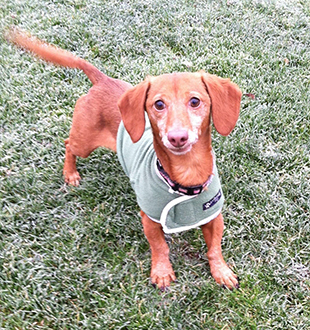
Managing IVDD in a senior dog isn’t about chasing recovery anymore — it’s about protecting comfort, preserving dignity, and knowing when to shift your goals.
When Heidi was first diagnosed with IVDD, every conversation was about healing. Which treatment? How long to rest? When would she walk again? But as she’s gotten older, the questions I ask myself have changed. Now I think more about: Is she comfortable today? Is she still enjoying her life? What does “doing well” actually look like for a dog her age?
If your dog is over 10 and living with IVDD, whether newly diagnosed or a long-term survivor, this is the guide I wish I’d had earlier.
How Does IVDD Change in Dogs Over 10?
IVDD in a senior dog presents differently than it does in a 4- or 5-year-old at peak crisis. Older dogs tend to accumulate disc damage slowly over years rather than experiencing one dramatic rupture. By the time they’re showing symptoms, multiple discs may already be compromised.
From what I’ve seen and heard from other owners in the disabled dog community, senior dogs often present with a gradual decline rather than a sudden crisis, more “she’s been a little wobbly for months” and less “she collapsed overnight.” That slower onset can actually cause owners to dismiss it longer, which is worth knowing.
There’s also the reality of concurrent conditions. A dog over 10 with IVDD may also have arthritis, kidney changes, heart issues, or cognitive decline. All of these interact with how you treat the IVDD itself.
- Arthritis pain can mask or be masked by IVDD pain — both need to be addressed
- Kidney disease affects which pain medications are safe to use long-term
- Heart conditions increase anesthetic risk if surgery is being considered
- Cognitive dysfunction syndrome (doggy dementia) can complicate pain assessment
Does Surgery Still Make Sense for Older Dogs?
Surgery is not automatically off the table for a dog over 10, but the risk-benefit calculation changes significantly. Older dogs carry higher anesthetic risk, and their bodies take longer to recover from the surgical trauma itself. A dog with good heart and kidney function who is otherwise healthy may still be a reasonable surgical candidate, and your neurologist and internist together can help you decide.
That said, many caregivers of senior IVDD dogs find themselves choosing conservative management, not because they’ve given up, but because it’s genuinely the right call. Our guide to conservative management for IVDD covers what that approach looks like in practice.
If your older dog has already had one or more episodes and recovered, you also have more information to work with. You know how their body responds. That experience matters.
Comfort Care: What Shifts After 10
For senior dogs, comfort care becomes the center of your management plan rather than a supporting role. Here’s what that looks like in practice:
Pain management first: NSAIDs (non-steroidal anti-inflammatory drugs), gabapentin, and other medications can make a significant difference in daily quality of life. Senior dogs may need more frequent reassessment of their pain levels because their tolerance can change. Work with your vet to find a regimen that works, and be willing to revisit it every few months.
Shorter, gentler movement: A younger IVDD dog in recovery gets strict rest. A stable senior dog needs gentle, controlled movement to keep muscles from atrophying too fast. Think short, flat, slow walks: not exercise for fitness, but movement for wellbeing.
Supportive sleeping surface: A good orthopedic bed is no longer optional at this stage. The memory foam dog bed Heidi sleeps on has made a visible difference in how stiff she is in the mornings. For a dog with a compromised spine, the surface she sleeps on for 16 hours a day matters enormously.
Warmth: Older dogs with spinal issues often feel muscle discomfort more acutely in cold weather. A warm sleeping spot, a dog sweater indoors in winter, and avoiding damp or drafty areas all help.
Traction everywhere: Senior dogs with any hind-leg weakness are at serious fall risk on smooth floors. This isn’t optional. Runners, yoga mats, and anti-slip pads should cover every surface your dog navigates.
- Pain medication given on schedule — never skipped
- Soft, orthopedic sleeping surface checked for soiling or wear
- Anti-slip flooring in all areas your dog uses
- Bladder and bowel function monitored daily
- Brief, gentle movement session (even just 5–10 minutes)
- Body check for new sores, swelling, or sensitivity
Managing Incontinence in Senior IVDD Dogs
Bladder and bowel issues are common in IVDD dogs of any age, but in seniors, they become more complex. Muscle tone decreases with age, urinary tract infections happen more easily, and managing incontinence well requires more vigilance than it did even a few years earlier.
If your dog needs manual bladder expression, our bladder expression guide walks through the process step by step. For dogs who are incontinent but not fully paralyzed, dog diapers paired with consistent skin care can keep them comfortable and clean. The biggest thing I’ve learned: skin breakdown from urine contact happens fast in older dogs. Check and change frequently, and protect the skin barrier at every change.
UTIs are also a real and recurring concern for dogs with any degree of bladder involvement. Learn the signs: strong-smelling urine, straining, licking at the area, or sudden changes in behavior. Don’t wait to address them.
- Sudden loss of function they previously had (even partial)
- Signs of severe pain: trembling, panting, won’t lie down
- Not urinating for more than 12 hours
- Blood in urine, or urine that smells strongly of ammonia
- Complete refusal to eat for more than 24 hours
How Do I Start End-of-Life Planning?
End-of-life planning for a dog with IVDD doesn’t mean giving up — it means caring for them with clear eyes and a full heart. Starting these conversations with your vet before you’re in a crisis is one of the most loving things you can do.
A quality-of-life framework, like the HHHHHMM scale developed by veterinary palliative care specialist Dr. Alice Villalobos (Hurt, Hunger, Hydration, Hygiene, Happiness, Mobility, More good days than bad), gives you something concrete to work with when emotions make it hard to think clearly. Ask your vet about using something like this at your next appointment.
What I’ve observed from other caregivers in this community is that the hardest part isn’t making the final decision — it’s the weeks and months before it, when you’re not sure, when your dog has a good day and you breathe again, and then a bad one. Building a relationship with a vet you trust for these conversations early makes it less overwhelming when you need them most.
Helpful markers that often prompt the conversation:
- Pain that can’t be controlled with the medications available to you
- Loss of interest in food, interaction, or things that used to bring joy
- More bad days than good over a consistent stretch of time
- Repeated crises with diminishing recovery between them
For more on daily life management as your dog’s condition progresses, long-term care for an IVDD dog covers the practical side of sustaining this kind of caregiving over time.
Living through this stage with a dog you love is hard work. It asks you to hold hope and realism at the same time, to celebrate the small good moments without pretending the hard parts aren’t real. You’re not failing your dog by shifting your goals — you’re meeting them exactly where they are.
Related Reading
- Long-Term Care for an IVDD Dog: Life After Crisis
- Bladder Expression for IVDD Dogs: Step-by-Step
- Conservative Management for IVDD: What to Do When Surgery Isn’t the Answer
- Looking for a rehab vet near you? Our IVDD specialist finder lists practices with PT, hydrotherapy, and conservative-care experience by state.
Frequently Asked Questions
Can a senior dog still have IVDD surgery after age 10?
Age alone doesn’t disqualify a dog from surgery, but older dogs carry higher anesthetic risk and may have slower recovery. Your neurologist will weigh the dog’s overall health, heart function, and lab work before recommending surgery. Many owners of senior dogs with IVDD do choose conservative management instead.
How do I know if my senior IVDD dog is in pain?
Common signs of pain in senior IVDD dogs include reluctance to move, hunched posture, trembling, loss of appetite, and changes in sleep patterns. Senior dogs often hide pain well, so subtle behavior changes matter as much as obvious symptoms. Regular check-ins with your vet can help you stay ahead of it.
Should I get a wheelchair for my older IVDD dog?
A wheelchair can genuinely improve quality of life for a senior IVDD dog who has lost hind-leg function, as long as the dog tolerates the cart and still has enough forelimb strength to use it. Many older dogs adapt surprisingly well. Talk to your vet or a canine rehabilitation specialist about cart fit and session length for an aging dog.
When is it time to consider end-of-life planning for an IVDD dog?
End-of-life planning becomes important when your dog can no longer be kept comfortable despite medications and supportive care, has lost interest in food or interactions they used to enjoy, or is experiencing repeated health crises with poor recovery. A quality-of-life scale, discussed with your vet, can give you a framework for these hard conversations.
This guide is based on real experience and should be used alongside professional veterinary care. Always consult your veterinarian before starting any new treatment or making changes to your dog’s care plan.