How Old Are Dogs When IVDD Strikes?
IVDD age of onset varies widely by breed type — chondrodystrophic dogs often hit their first episode at 3–6 years, while large breeds see it at 8+. What…
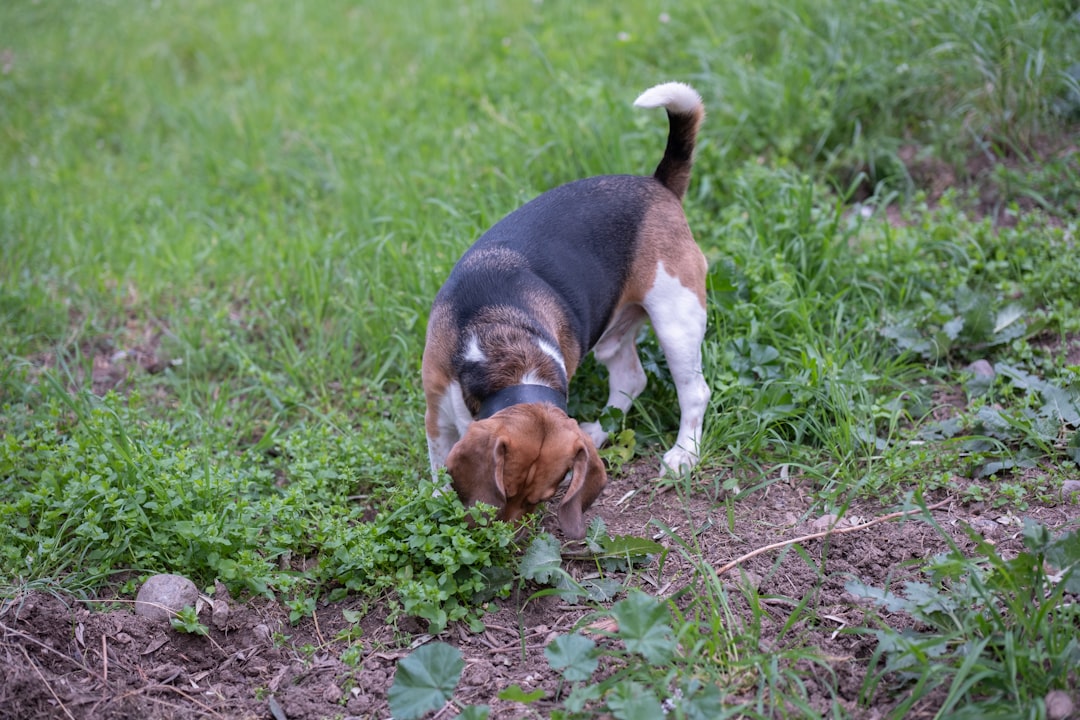
Photo by Doğan Alpaslan DEMİR on Unsplash
When a dog gets IVDD matters — not just for understanding why it happened, but for what the age tells you about disease type, prognosis, and what to watch for next.
When Heidi had her first IVDD episode, she was four years old. I remember thinking she was too young for this — I’d pictured IVDD as something that happened to older dogs. I was wrong, and I’ve since learned that four is almost exactly the average for a dachshund with Hansen Type I. Understanding why age matters is one of the first things that helped me stop being blindsided by this disease.
Why IVDD Age of Onset Varies So Much by Breed
IVDD age of onset differs so dramatically across breeds because there are two distinct underlying disease processes — and they unfold on completely different timelines.
The short version: chondrodystrophic breeds (dogs selectively bred for short legs) have a genetic mutation that causes their disc material to calcify early in life. That calcified disc material is brittle and prone to sudden explosive rupture — often before the dog hits middle age. Non-chondrodystrophic breeds develop the slower, degenerative form of disc disease that’s more about aging than genetics.
You can read much more about this in the article on Hansen Type I vs Type II IVDD, but the age distinction is the headline: Type I hits young, Type II hits old.
- Hansen Type I: Affects chondrodystrophic breeds; disc material calcifies early; typical onset ages 3–7 years
- Hansen Type II: Affects larger, non-chondrodystrophic breeds; gradual disc fiber deterioration; typical onset 8+ years
- Breed genetics drive this split more than lifestyle or weight alone
- Knowing which type your dog likely has shapes treatment and monitoring decisions
What Ages Are Most Common for Chondrodystrophic Breeds?
For chondrodystrophic breeds, the highest-risk window for a first IVDD episode is roughly 3 to 7 years old, with many dogs peaking around 4–6 years.
The breeds this applies to most include dachshunds, French bulldogs, Basset Hounds, Corgis, Pekingese, Beagles, Shih Tzus, and Cocker Spaniels — among others. If you have one of these dogs, the honest reality is that the risk isn’t hypothetical and it arrives while your dog is still in the prime of life. Disc degeneration at the cartilage level is happening before any symptoms appear — sometimes in dogs that are barely 12 months old.
The clinical episode (the moment symptoms show up) is a separate event from the underlying degeneration. Degeneration is happening silently for years; rupture happens suddenly when a disc that’s been deteriorating finally gives way.
Why the 3–7 Year Window?
By the time a chondrodystrophic dog is 3–4 years old, multiple discs have often already calcified. There’s no single trigger; it’s more that the accumulated brittleness reaches a threshold. Activity, a jump, even something as mundane as a sneeze can be the final stressor — but the dog’s disc was already a ticking clock.
This is also why I talk so much about preventing IVDD relapse — a dog who has one episode at age 4 has multiple other calcified discs that could go next.
Can Young Dogs — Under 2 Years — Get IVDD?
Yes, young dogs can get IVDD, though it’s less common than in the 3–7 year window.
Dogs under 2 years old do occasionally present with IVDD, particularly in heavily affected chondrodystrophic breeds. When it happens in a very young dog, it’s worth discussing genetic factors with your vet — the genetics of IVDD (specifically the FGF4 insertion that causes chondrodystrophy) are now testable, and an early episode in a young dog may indicate a high disc-calcification burden.
A young dog with IVDD is not automatically in a worse situation. In fact, neurological recovery potential in younger dogs is generally considered good, provided treatment is timely and appropriate. The bigger concern with a very young first episode is the long road ahead: that dog has decades of disc vulnerability in front of them.
- A dog under 3 yelping in pain, walking stiffly, or reluctant to jump deserves a vet evaluation — don’t assume they’re “too young for IVDD”
- Early-episode dogs in chondrodystrophic breeds may have multiple calcified discs already present
- Catching an episode at Grade 1 or 2 is far easier to treat than waiting until Grade 4 or 5
- See the IVDD Stages overview to understand what Grade 1–2 symptoms look like
What About the Middle-Age Peak?
For most chondrodystrophic dogs, middle age — roughly 4 to 8 years — is the peak risk period. This doesn’t mean the risk disappears after age 8; it means this window sees the highest density of first episodes.
A few things converge at this stage:
- Disc calcification is extensive: Multiple discs have been deteriorating for years
- Dogs are still highly active: A 5-year-old dachshund is still jumping, running, playing — creating opportunity for a fragile disc to rupture
- Weight tends to peak here too: Many dogs are at their heaviest in middle age, adding load to the spine
If your chondrodystrophic dog is in this window and hasn’t had an episode, it doesn’t mean they’re in the clear. Prevention — weight management, ramps instead of furniture jumping, avoiding high-impact activity — is still very much worth the effort.
How Does IVDD Present Differently in Senior Dogs?
Senior dogs (roughly 8 years and older) with IVDD are more often dealing with Hansen Type II disease or a late-onset Type I episode in a chondrodystrophic breed that was lucky earlier in life.
The dedicated article on IVDD after age 10 goes deep on this, but the key age-related nuances are worth naming here:
- Type II is slower and sneakier: Senior large-breed dogs often show gradual weakness, wobbliness, or reluctance to exercise rather than the sudden-onset pain of a Type I rupture. This gets misattributed to arthritis for months.
- Concurrent conditions complicate the picture: An 11-year-old dog may also have arthritis, kidney disease, or heart issues — all of which affect treatment decisions.
- Anesthesia risk increases with age: Surgery is still very much on the table for healthy senior dogs, but the overall health workup before surgery matters more.
- Recovery may be slower: Not always — but rehabilitation timelines in older dogs can extend compared to younger dogs, and rebuilding muscle mass is harder.
One thing I want to push back on: the idea that a senior dog shouldn’t be treated aggressively for IVDD. Age alone is not a prognosis. A 10-year-old otherwise-healthy dog who presents at Grade 2 has every reason to be treated and every reason to do well.
- Grade 1–3 IVDD in a healthy senior dog carries a reasonable recovery prognosis
- Surgical decompression in older dogs is generally well-tolerated when pre-op bloodwork and cardiac assessment look good
- Conservative management remains an option for lower-grade episodes regardless of age
- Don’t let age be the only factor in treatment decisions — always weigh neurological grade and overall health together
Does Age at Onset Predict Prognosis?
Age at onset matters somewhat, but neurological grade at the time of diagnosis matters far more.
The most important prognostic test for IVDD is deep pain sensation — whether the dog can feel a firm pinch to the toes below the level of the injury. A young dog who has lost deep pain sensation has a guarded prognosis regardless of age. A senior dog presenting at Grade 2 with intact sensation has a much better outlook, even if they’re older.
Where age does factor in to prognosis:
- Concurrent health conditions in older dogs can increase surgical risk or limit rehabilitation intensity
- Very young dogs with a first episode have a long lifespan of disc vulnerability ahead — which is a prognosis consideration for the disease course, not necessarily for the current episode
- Recurrence risk doesn’t depend on age at first onset — it depends on how many calcified discs remain
The honest summary: act fast, get staging right, and don’t let age be a reason to delay appropriate treatment. The relationship between IVDD grades and surgery decisions is where the real prognosis conversation happens.
Related Reading
- Hansen Type I vs Type II IVDD: The Two Very Different Diseases
- IVDD After Age 10: How Senior Dog Care Has to Shift
- IVDD Stages 1–5: Symptoms, Recovery Odds by Stage
Frequently Asked Questions
What age do dachshunds usually get IVDD?
Most dachshunds with Hansen Type I IVDD have their first episode between 3 and 7 years old, with the peak often cited around ages 4–6. That said, some dachshunds show signs earlier — even before age 2 — and others make it into their senior years before a first episode.
Can a young dog get IVDD?
Yes. In chondrodystrophic breeds like dachshunds, French bulldogs, and Pekingese, disc degeneration begins at the cartilage level and can be present by the time the dog is 1–2 years old. Clinical episodes most often happen between ages 3 and 6, but dogs under 2 do present with IVDD.
Does age at onset affect prognosis for IVDD?
Age itself is less predictive than neurological grade at the time of treatment. A young dog with Grade 4 IVDD has a less favorable outlook than an older dog who still has intact deep pain sensation — but age does factor in because older dogs are more likely to have concurrent health issues that complicate surgery or anesthesia.
Is IVDD in a senior dog worth treating?
Absolutely — many senior dogs recover well from IVDD, especially if they’re otherwise healthy and their neurological grade isn’t severe. Age alone should never be the deciding factor; overall health and neurological status matter much more.
If your dog was just diagnosed at any age, the most helpful next step is the same: find out what grade you’re dealing with, understand your treatment options, and act sooner rather than later. IVDD rewards speed, regardless of how old your dog is.
This guide is based on real experience and should be used alongside professional veterinary care. Always consult your veterinarian before starting any new treatment or making changes to your dog’s care plan.