How Long Does IVDD Take to Heal? Recovery Time by Grade
IVDD healing time ranges from 4 weeks to never fully — it depends on grade. What recovery actually looks like, stage by stage, from an owner who's been there.
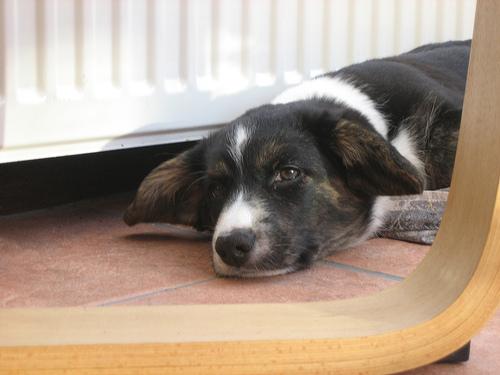
How long IVDD takes to heal depends almost entirely on the grade, and what you’re measuring.
When Heidi was first diagnosed with IVDD, the question I typed into Google at midnight was exactly this one. And I couldn’t find a straight answer. So here it is: healing time ranges from four weeks for a mild Grade 1 case to genuinely open-ended for a Grade 5 dog who has lost deep pain sensation. The grade, the treatment path, and the dog’s neurological status at diagnosis all shape the timeline more than almost anything else.
What Do the IVDD Grades Actually Mean for Healing?
The IVDD grading scale runs from 1 to 5, and each grade describes the severity of neurological damage, which is the single biggest predictor of how long recovery will take. Grade tells your vet (and you) how much the spinal cord has been compressed and how much function has already been lost.
Here’s a quick breakdown before we get into timelines:
- Grade 1: Pain only. No weakness, no stumbling. The disc is pressing but hasn’t caused neurological deficits yet.
- Grade 2: Weakness in the hind legs (called paresis) but the dog can still walk.
- Grade 3: The dog cannot walk but still has some voluntary movement.
- Grade 4: No voluntary movement, but deep pain sensation is still present.
- Grade 5: No voluntary movement AND no deep pain sensation. This is the most severe stage.
For a deeper look at each grade and its symptoms, I’ve written a full breakdown in The 5 IVDD Stages Explained.
How Long Does Healing Take by Grade?
Recovery time varies dramatically across the five IVDD grades, and “healed” means something different at each one. Here’s a realistic, grade-by-grade picture.
Grade 1: 4–8 Weeks With Strict Rest
Grade 1 dogs are in pain but haven’t lost neurological function. The treatment is almost always conservative: strict crate rest, anti-inflammatories, and pain management. Most Grade 1 dogs return to normal or near-normal function within 4–8 weeks, but that window only holds if rest is truly strict. The temptation to let a “good day” dog run around is real, and it’s one of the most common causes of setback.
If your dog is in Grade 1 conservative management, our crate rest survival guide has everything you need to get through it without losing your mind.
Grade 2: 6–12 Weeks, Conservative or Surgical
Grade 2 dogs are walking but wobbly. Conservative management works well for many of them, though surgery is sometimes recommended if symptoms are progressing or this is a repeat episode. With conservative care, most Grade 2 dogs see meaningful improvement within 6–8 weeks. With surgery, the active healing phase is similar, but neurological recovery (the return of clean, coordinated movement) can continue for up to 3 months.
- Pain-free: Usually the first milestone — often within 1–2 weeks of treatment
- Bladder control return: Can take weeks to months in Grade 3–4 dogs
- Voluntary leg movement: Returns before full coordinated walking
- Full function: May take 3–6 months, and isn’t guaranteed above Grade 3
Grade 3: 2–4 Months, Surgery Usually Recommended
Grade 3 is where the conversation about surgery gets serious. Dogs at this stage can’t walk, but they still have some voluntary movement. Surgery significantly improves the odds of walking again. With decompression surgery, many Grade 3 dogs begin to show neurological improvement within 2–4 weeks post-op, but rebuilding actual walking function typically takes 2–4 months of recovery and rehabilitation exercises at home.
Grade 4: 3–6 Months, With Significant Variability
Grade 4 dogs have no voluntary movement but still feel deep pain, and that pain sensation is the most important prognostic indicator at this level. Its presence means the spinal cord still has some communication intact. After surgery, many Grade 4 dogs do recover the ability to walk, but the timeline is longer and less predictable. Expect a minimum of 3–6 months, with some dogs continuing to improve for up to a year. The Help ‘Em Up Harness we used during Heidi’s recovery is genuinely useful for Grade 4 dogs during the months when they’re rebuilding strength but can’t support themselves fully. A good rear-support harness like the Help ‘Em Up lets you assist without straining your back.
Grade 5: Open-Ended, and Honesty Matters Here
Grade 5 is the hardest to talk about, but you deserve a straight answer. When a dog loses deep pain sensation, meaning they don’t react to a firm pinch on the paw, the spinal cord damage is severe. Surgery performed within 24–48 hours of losing deep pain sensation gives the best odds of recovery, and some dogs do walk again. But many do not regain full function, and some require lifelong wheelchair and bladder care support.
If your dog is at Grade 5, please read our Stage 4 & 5 care guide — it’s written specifically for this situation and covers everything from bladder expression to wheelchair timing.
- Loss of deep pain sensation is a neurological emergency
- Surgery within 24–48 hours of loss gives the best prognosis
- After 48 hours without sensation, recovery odds drop significantly
- If your dog suddenly loses the ability to feel a paw pinch, this is an ER situation — not a “wait and see”
What Factors Speed Up or Slow Down Recovery?
Several things beyond grade influence how quickly, or whether, a dog heals.
- Timing of treatment: Earlier intervention consistently leads to better outcomes, especially at higher grades
- Weight: Extra pounds add pressure to an already-compromised spine. Weight management is one of the most impactful things owners can control
- Strict rest compliance: Incomplete crate rest during the healing window is one of the most common causes of setback and reinjury
- Physical rehabilitation: Passive range-of-motion exercises and water therapy may support neurological recovery — many rehab specialists recommend starting as soon as the vet clears it
- Age and overall health: Older dogs or those with other health conditions may heal more slowly
- Reinjury: Any early return to jumping, stairs, or rough play can undo weeks of healing
- Week 1–2: Pain reduction, willingness to eat and rest comfortably
- Week 3–4: Return of bladder awareness (trying to go, rather than passive leaking)
- Week 6: Voluntary movement in hind legs (even a twitch counts — document it)
- Month 2–3: Weight-bearing steps, even assisted
- Month 4–6: Coordinated walking, if it’s going to come
Is My Dog Actually Healed, or Just Comfortable?
This is a question worth sitting with. A dog can stop showing pain, no more yelping, no hunched posture, while still having underlying spinal cord changes that put them at risk. “Comfortable” and “healed” aren’t the same thing.
For IVDD dogs, “healed” usually means one of three things depending on the grade:
- Pain-free with full function (realistic for Grade 1–2)
- Pain-free with partial function: walking with some residual wobble, bladder control mostly intact (realistic for Grade 3–4 with treatment)
- Pain-free with assistive care: wheelchair, bladder expression, diapers, but a good quality of life (a real and valid outcome for Grade 4–5 dogs)
The third category is not a failure. I’ve watched dogs in wheelchairs live joyful, energetic lives. Recovery doesn’t always mean returning to before — sometimes it means finding a new normal, and doing it well. For more on what that long-term life looks like, Long-Term Care for an IVDD Dog covers exactly that.
- No improvement at all after 4 weeks of strict conservative management
- Loss of function that had started to return (a plateau or reversal)
- New pain after a period of being pain-free
- Bladder control regressing after improving
Related Reading
- The 5 IVDD Stages Explained: Symptoms & Recovery Odds
- When Will My IVDD Dog Walk Again? Realistic Timelines
- IVDD Recovery Setbacks: What’s Normal vs. a Vet Call
- Looking for a rehab vet near you? Our IVDD specialist finder lists practices with PT, hydrotherapy, and conservative-care experience by state.
Frequently Asked Questions
How long does IVDD take to heal?
It depends on the grade. Grade 1 dogs often recover in 4–6 weeks with strict crate rest. Grade 3–4 dogs who have surgery may take 3–6 months to regain meaningful function. Grade 5 dogs who have lost deep pain sensation have the most uncertain prognosis: some recover with emergency surgery, many require ongoing wheelchair and bladder support.
What does “healed” mean for an IVDD dog?
Healed means different things at different grades. For mild cases it means no pain and full function. For severe cases it may mean regaining bladder control or taking assisted steps, not necessarily running like before. Always talk with your vet about realistic goals for your dog’s specific situation.
What slows IVDD recovery the most?
The biggest recovery slowdowns are inadequate crate rest, too-early return to activity, loss of deep pain sensation at diagnosis, delayed treatment, excess weight, and reinjury during the healing window. Age and overall health also play a meaningful role.
Can a Grade 5 IVDD dog recover?
Some Grade 5 dogs do recover meaningful function, particularly if surgery is performed within 24–48 hours of losing deep pain sensation. However, recovery is far from guaranteed at this stage, and many dogs will need lifelong wheelchair and bladder care support, which can still be a good, happy life with the right setup.
This guide is based on real experience and should be used alongside professional veterinary care. Always consult your veterinarian before starting any new treatment or making changes to your dog’s care plan.