Gabapentin for IVDD Dogs: Dosing, Side Effects, What to Expect
Gabapentin is one of the most-prescribed IVDD pain meds — here's what dosing actually looks like, why your dog seems drunk, and what Heidi's experience taught…
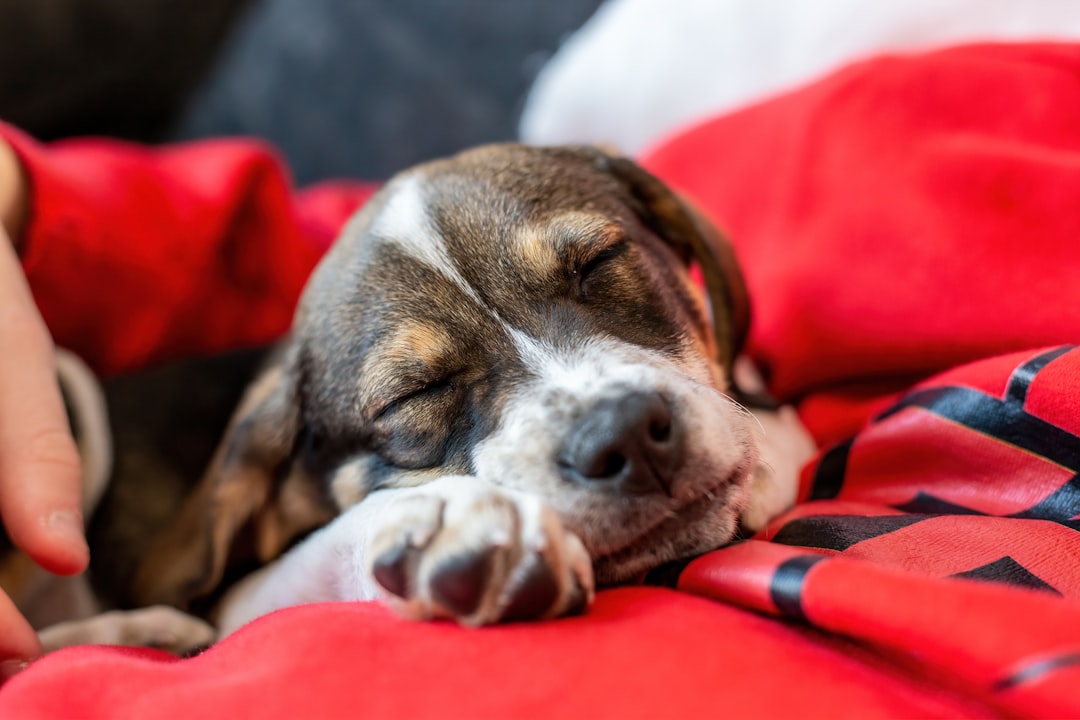
Photo by April Walker on Unsplash
Gabapentin is one of the most commonly prescribed medications for IVDD dogs, and understanding how it works, what to expect, and how to give it correctly can make a real difference in your dog’s recovery.
When Heidi was first diagnosed with IVDD, the discharge paperwork listed gabapentin right there alongside her other medications. I read the drug name three times trying to remember where I’d heard it before. Then it clicked — it’s also used in people for nerve pain and epilepsy. Our neurologist explained it quickly, but “quickly” doesn’t really help you when you’re at home at 11 p.m. watching your dog wobble around like she’s had too much wine and wondering if something is terribly wrong.
So here is the fuller version of that conversation — the one I wish I’d had before I drove home in a panic.
What Is Gabapentin and How Does It Work?
Gabapentin calms overactive nerve signals that the damaged or compressed spinal cord sends to the brain. It was originally developed as an anticonvulsant (a seizure medication), but veterinarians and physicians alike discovered it was also highly effective at reducing neuropathic pain — the specific kind of deep, electric, shooting pain that disc disease creates.
In IVDD, a herniated or bulging disc presses on the spinal cord or nerve roots. That compression causes the affected nerves to fire in dysregulated, exaggerated ways. Gabapentin binds to calcium channels in nerve cells and dampens that abnormal firing. The result is less perceived pain — not by masking it like an opioid, but by quieting the abnormal signaling at a cellular level.
This makes it especially useful for IVDD because standard anti-inflammatory drugs (like prednisone or NSAIDs) address the swelling component of disc injury, but they don’t specifically target the nerve-pain component. Gabapentin fills that gap. Many IVDD dogs end up on a combination of the two during the acute phase — you can read more about the steroid side of that picture in the prednisone for IVDD dogs guide.
The same drug shows up in a very different context in older dogs. In gabapentin for arthritic dogs, the target is long-standing joint pain rather than an acutely compressed nerve root, which changes both the expected timeline and how long a dog is likely to stay on it.
What Are Typical Gabapentin Doses for IVDD Dogs?
There is no single universal dose — your vet will calculate based on your dog’s weight, pain severity, and whether other pain medications are on board. That said, a commonly used range for neuropathic pain in dogs is approximately 5–10 mg per kilogram of body weight, given every 8–12 hours. VCA Hospitals notes that dosing varies significantly by indication and individual patient, and that veterinary guidance should always drive the specific number.
To put that in practical terms:
| Dog Weight | Approximate Dose Range | Typical Frequency |
|---|---|---|
| 5 kg (11 lbs) | 25–50 mg per dose | Every 8–12 hours |
| 10 kg (22 lbs) | 50–100 mg per dose | Every 8–12 hours |
| 20 kg (44 lbs) | 100–200 mg per dose | Every 8–12 hours |
 disableddogcare.com
Gabapentin comes in capsules (commonly 100 mg, 300 mg, 400 mg) and as a liquid compounded by a pharmacy. The liquid form is often easier for small dogs like dachshunds — Heidi got compounded gabapentin from our veterinary pharmacy, which let us hit her exact dose without splitting capsules.
One important note: the human liquid formulation of gabapentin sometimes contains xylitol as a sweetener. Xylitol is toxic to dogs. Always use a veterinary compounded liquid or gabapentin capsules, never the over-the-counter human syrup.
- Some oral human gabapentin solutions contain xylitol, which is highly toxic to dogs
- Always confirm the formulation with your vet or a veterinary compounding pharmacy
- Capsules (opened and mixed with food) or veterinary-compounded liquids are the safe options
How Long Does It Take to Work?
Gabapentin reaches its initial effect relatively quickly. Most dogs show some pain relief within 1–2 hours of the first dose — you may notice your dog settling more comfortably, yelping less when moved, or stopping that hunched, tense posture that signals pain.
Full, consistent effect builds over 2–3 days as the drug reaches steady concentrations in the bloodstream. This is why giving it on a regular schedule matters so much — more on that below.
What Do the Side Effects Actually Look Like?
This is the section I needed most at 11 p.m. on Day 1 with Heidi.
Sedation and Ataxia (the “Drunk Dog” Phase)
Sedation is the most common side effect, and it can look alarming if you’re not prepared. Ataxia means loss of coordination — and in a dog already dealing with weak back legs from IVDD, it can be hard to tell where the disc disease ends and the gabapentin begins.
Here’s what gabapentin sedation typically looks like:
- Wobbling or stumbling: Your dog may weave when walking or lose their footing on turns — more than their baseline IVDD wobble
- Heavy eyelids: Classic sleepy-dog eyes, difficulty staying alert
- Increased sleep: Your dog may sleep dramatically more than usual, especially in the first 2–4 days
- Slow reactions: They may seem mentally foggy or slow to respond to their name
- Front-leg stumbling: Even the unaffected limbs can seem uncoordinated
The good news: this usually improves noticeably after 3–5 days as your dog’s body adjusts to the medication. Heidi went from looking genuinely alarming on Day 2 to just “pleasantly sleepy” by Day 5. If the sedation is severe enough that your dog can’t eat, drink, or get into a comfortable position to urinate, call your vet — the dose may be too high for their size.
Appetite Changes
Some dogs eat noticeably less on gabapentin. This tends to be milder than the sedation and often resolves on its own. If your dog skips one meal but drinks water normally and seems otherwise settled, that’s usually fine. If they go 24–48 hours without eating, or show signs of nausea like drooling or lip-licking, let your vet know.
- Sedation is most intense in days 1–4, then typically improves as the dog adjusts
- Mild appetite reduction is common; significant weight loss is not — flag it to your vet
- Ataxia (wobbling) may overlap with IVDD symptoms and be hard to separate — that’s normal and expected
- If your dog can’t stand, drink, or urinate due to sedation, contact your vet same day
Should I Give Gabapentin on a Schedule or Only When My Dog Seems Painful?
On a consistent schedule, every time. This is one of the most important practical points about gabapentin.
Because gabapentin works by maintaining steady drug levels in the nervous system — not by providing acute “rescue” relief the way a fast-acting pain med does — giving it inconsistently creates peaks and valleys. Your dog gets some relief after each dose, then slides back into pain as levels drop. They never get the full benefit.
Think of it less like ibuprofen (take it when it hurts) and more like a blood pressure medication (take it every day at the same time to keep levels steady). Heidi got her doses as reliably as clockwork — same times every morning and evening, with food.
What If I Miss a Dose?
Give the missed dose as soon as you realize it, unless it’s almost time for the next scheduled dose. In that case, skip the missed dose and resume the regular schedule. Never double-dose.
Missing one dose occasionally is not a crisis. Missing doses regularly will make the medication significantly less effective and may cause your dog to experience breakthrough pain. Set phone alarms if you need to — the consistency genuinely matters.
- Set two phone alarms — one for the morning dose, one for the evening
- Hide the capsule (or liquid dose) in a small spoonful of wet food or a pill pocket
- Keep the medication in the same spot you prep your dog’s meals so it becomes automatic
- Note the dose time in a simple log — this also helps your vet track response to the medication
How Do I Taper Gabapentin When It’s Time to Stop?
You should never stop gabapentin abruptly after extended use (more than a few weeks). Stopping suddenly can cause rebound pain — a spike in nerve hypersensitivity that’s often worse than the original baseline — and in some cases may trigger other withdrawal effects.
Your vet will give you a specific taper schedule. A common approach is to reduce the dose by roughly 25% every 1–2 weeks, watching for any return of pain signs at each step. If your dog starts showing discomfort again during the taper, slow down and check back with your vet before reducing further.
Heidi’s taper after her acute phase took about three weeks. It felt frustratingly slow at the time, but the gradual step-down meant she didn’t have any pain flares in the process.
Drug Interactions to Know About
Gabapentin is generally safe to combine with the other medications commonly used in IVDD cases, but there are a few things worth knowing:
- With NSAIDs or steroids: Commonly prescribed together for IVDD — generally safe, but your vet will monitor for GI effects
- With other sedatives or muscle relaxants: Additive sedation is possible; methocarbamol (a common muscle relaxant for IVDD) combined with gabapentin may increase sleepiness
- With antacids: Antacids containing aluminum or magnesium can reduce gabapentin absorption if given at the same time — space them by at least 2 hours
- With opioids: If your dog is prescribed tramadol or another opioid alongside gabapentin, expect more pronounced sedation — this is often intentional for severe acute pain
Always tell your vet every medication (prescription and over-the-counter) your dog is currently taking, including any supplements. For a broader look at the full medication picture in IVDD treatment, the IVDD medications overview covers how these drugs interact as a complete protocol.
Heidi’s Gabapentin Experience
Heidi came home from her neurologist on a three-drug protocol: prednisone, gabapentin, and methocarbamol. The first two days on gabapentin, she looked almost more impaired than she had before treatment. Her eyes were glassy, she could barely track me across the room, and she’d start to lower herself to lie down and then just… tip over sideways.
I called the clinic on Day 2, convinced something was wrong. The technician listened patiently and said: “That’s the gabapentin. It’s doing exactly what it’s supposed to do. Give it until Day 5 before you decide anything.”
She was right. By Day 5, Heidi was sleeping deeply and comfortably — not flopped over in a stupor, but actually resting. By Day 10, she was alert during her awake periods and clearly no longer bracing against pain when I adjusted her position. The medication was working, and the worst of the sedation had passed.
What I didn’t expect was how much the consistent schedule mattered. There was one morning I gave her dose about three hours late because of a hectic morning. By early afternoon she was clearly more restless and uncomfortable — not dramatic, but noticeable. That taught me quickly to treat those alarms as non-negotiable.
Related Reading
- IVDD Medications Explained: Steroids, Gabapentin & More
- Prednisone for IVDD Dogs: What Every Owner Should Know
- IVDD Recovery Days 1–7: The Critical First Week
Frequently Asked Questions
How long does gabapentin take to work in dogs with IVDD?
Most dogs show some pain relief within 1–2 hours of the first dose. Full effect at a consistent dose typically builds over 2–3 days as the drug reaches steady levels in the bloodstream.
What does gabapentin sedation look like in dogs?
Sedation usually looks like wobbly walking, heavy eyelids, stumbling when turning, and a general “drunk” appearance. It’s most pronounced in the first few days and usually improves significantly as your dog adjusts to the medication.
Can I just stop giving my dog gabapentin?
You should not stop gabapentin abruptly, especially after more than a few weeks of use. Tapering slowly under vet guidance reduces the risk of rebound pain and potential withdrawal effects. Always ask your vet for a taper schedule before stopping.
Does gabapentin make dogs lose their appetite?
Some dogs do eat less on gabapentin, though significant appetite loss is less common than sedation. If your dog refuses meals for more than 24–48 hours or loses noticeable weight, contact your vet — a dose adjustment may help.
The first few days on gabapentin can be genuinely frightening if you’re not expecting the sedation. But for most IVDD dogs, the medication does exactly what it’s supposed to do once the initial adjustment settles — it quiets the nerve pain that makes recovery so hard, and it gives your dog a chance to actually rest and heal. That wobbly, sleepy dog in front of you is usually not getting worse. She’s getting relief.
This guide is based on real experience and should be used alongside professional veterinary care. Always consult your veterinarian before starting any new treatment or making changes to your dog’s care plan.