French Bulldog IVDD: Risks and What to Watch For
Frenchies are built for IVDD risk — their spine is working against them from day one. What every French Bulldog owner needs to spot before a crisis hits.
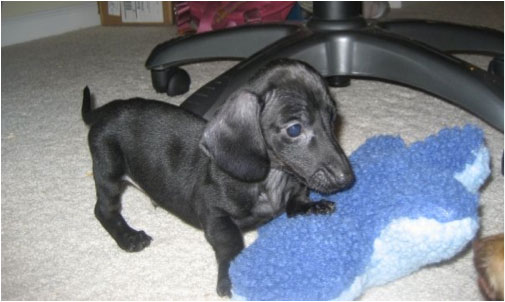
Photo by sydney Rae on Unsplash
If you have a French Bulldog, IVDD isn’t a distant risk — it’s something their body is predisposed to from birth, and knowing the signs early can genuinely change the outcome.
Why Are French Bulldogs So Vulnerable to IVDD?
French Bulldogs are a chondrodystrophic breed — a term that sounds complicated but essentially means their cartilage doesn’t develop the way it does in most dogs. That same gene that gives Frenchies their short legs and compact body also causes their spinal discs to begin degenerating earlier than normal, often starting when the dog is just a couple of years old.
In a healthy disc, the outer shell (called the annulus fibrosus) is tough and flexible, containing a gel-like inner core (the nucleus pulposus). In chondrodystrophic breeds, that inner core gradually calcifies — hardens — over time. When a hardened disc is stressed, it can rupture or herniate into the spinal canal, pressing on the spinal cord. That’s IVDD, and it can happen suddenly, even from something as minor as jumping off the couch.
French Bulldogs, like Dachshunds and Basset Hounds, are considered high-risk for this type of disc disease (called Hansen Type I IVDD). According to veterinary neurologists, chondrodystrophic breeds account for a disproportionately large percentage of IVDD cases — and Frenchies are increasingly represented in that group as the breed has grown in popularity.
- French Bulldogs can show IVDD signs as young as 2 years old — this isn’t just a senior dog disease
- Peak incidence in Frenchies is generally seen between ages 3 and 7
- A young, active dog can have a disc rupture just as severely as an older one
- Never dismiss back pain or weakness in a young Frenchie as “just growing pains”
Hemivertebrae vs. IVDD: A Confusion That Matters
This is one of the most important distinctions to understand as a Frenchie owner, because these two conditions often get tangled together — and they’re not the same thing.
Hemivertebrae are wedge-shaped or malformed vertebrae — a structural bone abnormality that’s extremely common in screw-tailed breeds like French Bulldogs, English Bulldogs, and Pugs. The “screw tail” itself is essentially a hemivertebra at the base of the spine. Many Frenchies have hemivertebrae higher up the spine as well, and a significant portion of them will never cause clinical problems.
IVDD, by contrast, is a disc disease — it involves the material between the vertebrae, not the bones themselves. The two can coexist, and here’s where it gets important: hemivertebrae can alter the biomechanics of the spine in ways that put extra stress on nearby discs, potentially increasing the risk of IVDD at those levels.
So What Does This Mean Practically?
If your Frenchie gets spinal imaging and the vet mentions hemivertebrae, don’t panic — but don’t dismiss it either. Hemivertebrae that are causing the spine to kink significantly (sometimes called a wedge deformity with kyphosis — a forward curve in the spine) can sometimes compress the spinal cord on their own, independent of any disc problem. Your vet or a veterinary neurologist is the right person to interpret the imaging and tell you which finding is responsible for your dog’s symptoms.
The bottom line: hemivertebrae ≠ IVDD, but a Frenchie can have both, and both deserve proper evaluation.
What Do IVDD Symptoms Look Like in a French Bulldog?
IVDD symptoms in a Frenchie can look a little different than you might expect — partly because their short, compact body makes some signs harder to see, and partly because they’re notoriously stoic dogs who often don’t yelp dramatically when something is wrong.
The most common signs of IVDD in French Bulldogs, from earliest to most severe, are:
- Hunched or roached back: The spine looks tense and arched upward. This is a pain response.
- Reluctance to jump or climb stairs: A Frenchie who suddenly refuses to get on the couch or hesitates at a step change is telling you something.
- Yelping or flinching when touched along the back or neck: Especially if your dog reacts to being picked up.
- Stiff, choppy gait: Movement that looks “off” — short steps, a wobbly rear end, or an unusual sway.
- Hind-leg weakness or knuckling: One or both back feet dragging or turning under when walking. This is a more serious sign.
- Loss of bladder or bowel control: A dog who was house-trained suddenly having accidents. This is an escalation sign — call your vet immediately.
- Complete inability to walk: If your Frenchie’s back legs have stopped working, this is a neurological emergency.
One thing I hear repeatedly from Frenchie owners in the disabled dog community: the early signs were dismissed as “being lazy” or “just being a Frenchie thing.” The breed’s naturally laid-back personality and stocky build can genuinely make mild weakness easy to miss. If something feels off, trust your gut.
- A slight wobble in the rear only visible when walking on slippery floors
- Reluctance to be picked up — often mistaken for mood or stubbornness
- Changes in tail carriage (holding it differently or lower than usual)
- Sitting down mid-walk or tiring more quickly than normal
Prevention: What Can You Actually Do?
You can’t change a French Bulldog’s genetics, but you can meaningfully reduce the mechanical stress on their spine day to day.
Weight management is genuinely one of the most impactful things you can do. Extra weight puts extra load on already-vulnerable discs. This isn’t about aesthetics — it’s about protecting their spine.
Ramps and steps everywhere they’re climbing. No jumping off the couch, no leaping out of the car. I know Frenchies look ridiculous on a ramp sometimes, but a dog ramp on the sofa is far less ridiculous than a spinal surgery bill. For more on setting up your home safely, the guide on IVDD dogs and stairs, ramps, and gates covers this in detail.
Harness instead of collar for walks. Collar pressure on the neck can be a trigger point for cervical (neck) IVDD, which Frenchies are also prone to.
Controlled exercise — no wild roughhousing, no repetitive high-impact play. Short, regular leash walks are much safer than sprint-and-tumble sessions at the dog park.
Baseline spinal imaging is something many Frenchie owners and veterinary neurologists now discuss proactively. Knowing if your dog already has calcified discs before symptoms appear can help you make faster decisions if a crisis does happen.
- Use ramps or pet stairs for furniture access — every single time
- Keep your Frenchie lean — ask your vet for a target body condition score
- Walk on harness, never a collar or neck lead
- Avoid repetitive high-impact play like jumping for toys
- Know where your nearest veterinary neurologist is before you need one
When Should You Escalate to the Vet?
Any sign of hind-leg weakness, wobbling, dragging, or loss of bladder/bowel control in a French Bulldog is a same-day vet call — or an emergency vet visit if your regular clinic can’t see you immediately.
Understanding the 5 IVDD grades and what each one means is genuinely useful context here. Grades 1 and 2 (pain, mild weakness) are more likely to respond to conservative management. Grades 3–5 (significant weakness to full paralysis) typically need urgent imaging — usually MRI — to determine if surgery is needed and how quickly.
The window for surgery matters. If a dog loses what’s called deep pain perception (the ability to feel a firm pinch to the paw), the clock is ticking — most neurologists consider surgery most effective when performed within 24–48 hours of that loss. That’s why the instinct to “wait and see” can be genuinely dangerous with French Bulldog IVDD.
If you’re facing the treatment decision, the comparison of IVDD surgery vs. conservative care walks through how to think about that choice honestly.
And if your dog has already progressed to significant symptoms, knowing exactly what the IVDD emergency signs are and when to rush to the ER can make a real difference in outcome.
For dogs who need support during recovery, a rear-support sling is often part of the rehab picture — the guide to best rear-support harnesses and slings for IVDD dogs covers what to look for.
- Back legs completely stopped working (sudden paralysis)
- Loss of bladder or bowel control alongside leg weakness
- Severe, unrelenting back or neck pain — crying, won’t move, shaking
- Rapid progression from mild weakness to dragging within hours
- No response when you firmly pinch the toes on the back feet
French Bulldogs are joyful, stubborn, snorting little characters who deserve to live long and comfortable lives. Their spinal vulnerability is real, but it’s manageable — especially when you know what to watch for before a crisis hits. The owners who tend to do best are the ones who’ve already thought through this before it becomes an emergency, who have a neurologist’s number saved, and who’ve already put the ramps in place.
You’re doing that right now, just by reading this.
Related Reading
- IVDD Emergency Signs: When to Rush Your Dog to the Vet
- The 5 IVDD Stages Explained: Symptoms & Recovery Odds
- IVDD Surgery vs. Conservative Care: How to Decide
- It’s worth knowing where your nearest board-certified neurologist is before you need one — our IVDD specialist finder lets you search by state.
Frequently Asked Questions
Are French Bulldogs at high risk for IVDD?
Yes. French Bulldogs are a chondrodystrophic breed, meaning their cartilage develops abnormally — and that directly affects their spinal discs. This makes them significantly more prone to IVDD than the average dog, and symptoms can appear as young as 2–3 years of age.
What is the difference between hemivertebrae and IVDD in French Bulldogs?
Hemivertebrae are wedge-shaped vertebrae — a structural bone abnormality common in screw-tailed breeds like Frenchies. IVDD is a disc disease where the material inside a disc ruptures or bulges into the spinal canal. A dog can have both, and hemivertebrae can actually increase IVDD risk in nearby discs by altering how the spine moves and distributes load.
What are the early warning signs of IVDD in a French Bulldog?
Early signs include a hunched or roached back, reluctance to go up or down stairs, yelping when picked up, subtle weakness in the back legs, and changes in how they hold their tail. These signs can be easy to dismiss in a short stocky breed — don’t wait to see your vet if something feels off.
Can French Bulldog IVDD be managed without surgery?
Sometimes, yes — especially at lower grades. Strict crate rest, anti-inflammatory medications, and pain management can work well for Grade 1 and 2 cases. Grades 3–5, particularly those with rapid progression or loss of deep pain sensation, typically require urgent surgical consultation rather than a conservative approach.
This guide is based on real experience and should be used alongside professional veterinary care. Always consult your veterinarian before starting any new treatment or making changes to your dog’s care plan.