Best Flooring & Traction for IVDD Dogs (Recovery-Safe)
The rugs, runners, and paw grips that protected Heidi's spine during recovery — ranked by cost, durability, and how well they grip on hardwood.
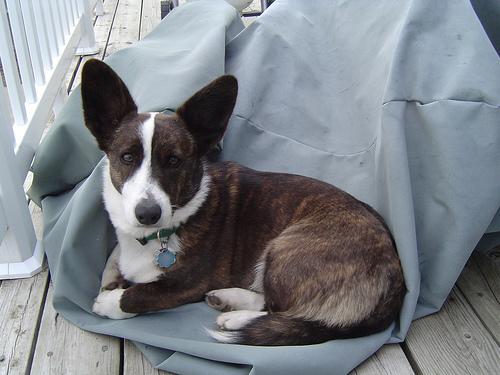
The right flooring setup could be one of the most important things you do for your IVDD dog, and most people don’t think about it until after the first scary slip.
When my dog Heidi was diagnosed with IVDD, I was laser-focused on medications, rest, and vet appointments. It took an embarrassing amount of time before I realized our hardwood floors were actively working against her recovery. Every time she tried to stand or shift position, her back legs slid out. That scrambling (even when it looks minor) puts real rotational stress on an already vulnerable spine. Once I understood that, flooring became a top priority.
Why Slippery Floors Are Genuinely Dangerous for IVDD Dogs
IVDD (intervertebral disc disease) causes herniated or bulging discs that compress the spinal cord. Dogs in recovery, or dogs managing a chronic IVDD condition, often have some degree of weakness or wobble in their hindquarters. When they try to walk on slick surfaces, they overcorrect. Their muscles strain. Their spine twists. Even a small slip can re-injure a disc that was just starting to heal.
According to VCA Hospitals, strict rest and restricted movement are cornerstones of IVDD recovery, and that’s nearly impossible to enforce if your dog is struggling to stand on a glossy tile floor.
This isn’t just a comfort issue. It’s a safety issue.
- Back legs sliding out to the side when standing or turning
- Dog hesitating at doorways or between room transitions
- Knuckling (toes curling under) getting worse after floor time
- Your dog choosing to lie in one spot all day rather than walk around
What Are the Best Flooring Solutions?
You don’t need to renovate your house. In my experience, the most effective approach is layering: covering the routes your dog actually uses, rather than trying to solve the entire floor at once.
Area Rugs and Runners
This is usually the first place I tell people to start. A good rug with a rubber-backed non-slip underlay covers a lot of ground quickly. A few things that matter:
- Low pile over high pile: Thick, plush rugs can actually be harder for weak dogs to walk through — their feet catch on the fibers. Stick to low-pile or flat-weave rugs.
- Secure the edges: Curled rug edges are a trip hazard. Use rug tape or tack strips to keep them flat.
- Cover transitions: The gap between one rug and the next is often where dogs slip. Overlap slightly or use a runner to bridge the gap.
Interlocking Foam Tiles
These are my personal favorite for the main living area. They’re cheap, easy to cut around furniture, and you can expand your coverage over time. The surface has just enough texture to give dogs grip without being rough on skin. I covered our entire living room floor for about $40 worth of tiles from a hardware store.
- Puzzle-style foam tiles: Available at hardware stores, often sold for gyms or garages.
- Clean easily: A damp mop works fine; important if you’re also managing bladder accidents during recovery (more on that in our IVDD care guides).
Rubber-Backed Runners for Hallways
Hallways are sneaky danger zones: long, straight stretches that encourage dogs to trot, then slide. A rubber-backed runner the length of the hall solves this fast. The rubber backing matters more than the material on top.
- Wherever your dog sleeps and wakes up (first movements of the day are risky)
- The path to the food and water bowls
- Any stairs or ramps your dog uses
- Hallways and room-to-room transitions
What Goes On the Dog, Not the Floor?
Sometimes you can’t cover every surface, especially if you’re renting, or if your dog goes to unfamiliar places like the vet or a friend’s house. That’s where paw-level traction comes in.
- Non-slip dog socks: These have rubber grips on the sole. They’re the fastest fix you can buy today. Some dogs hate them initially; I put them on Heidi during short, supervised sessions until she got used to them.
- Paw wax (like Musher’s Secret): A waxy balm rubbed onto paw pads that adds grip. It wears off after a few hours, so you reapply as needed. It also protects cracked pads, which is a bonus for dogs that knuckle.
- Toe grips (like Dr. Buzby’s ToeGrips): Small rubber rings that slide onto the toenails and grip the floor as the nail pushes down. These were genuinely life-changing for Heidi; they worked even on floors we hadn’t covered yet. Dr. Buzby’s ToeGrips has a sizing guide on their website, and your vet can help you fit them correctly.
- Interlocking foam tiles in the main living area
- A rubber runner down the hallway
- ToeGrips on all four feet during the day
- Paw wax before any vet visit or car ride
Are There Surfaces to Actively Avoid?
Yes, and some of them surprise people.
- Polished tile and marble: The worst offenders. Beautiful to look at, terrible for a compromised dog.
- Hardwood without rugs: Even “matte finish” hardwood is slippery for dogs with weak hindquarters.
- Wet surfaces: After baths, towel the floor as well as the dog. Bathrooms are high-risk during and after washing.
- Outdoor decks: Treated wood decking gets slippery when damp. Rubber deck tiles or outdoor non-slip mats help.
For dogs also managing neurological weakness (which often overlaps with IVDD), the same principles apply. I go into more detail about home environments in our neurological condition guides.
Does It Actually Make a Difference?
I was skeptical when I first started obsessing over this. It felt like rearranging deck chairs. But within two days of laying foam tiles and putting ToeGrips on Heidi, she started moving more willingly around the house. She’d been lying in one spot for most of the day, and I’d assumed it was pain or depression — but part of it was simply that she didn’t trust the floor. Once she had grip, she started exploring again.
That shift, watching her confidence come back one small step at a time, is something I think about whenever someone tells me they’ve “tried everything” for their IVDD dog. Sometimes the answer is literally on the floor in front of you.
- A fall or slip is followed by sudden paralysis or inability to bear weight
- Your dog yelps or cries when trying to stand
- Hind leg weakness gets noticeably worse after a slip event
- Your dog loses bladder or bowel control after a fall
If you’re in the early days after a diagnosis and feeling overwhelmed, I see you. Start with one room, the room your dog sleeps in, and work outward from there. You don’t have to solve everything today.
Related reading
- Just Diagnosed with IVDD: What to Do in the First 72 Hours
- IVDD in Dogs: Early Symptoms Every Owner Should Watch For
- Long-Term Care for an IVDD Dog: Life After Crisis
- Conservative Management for IVDD: What to Do When Surgery Isn’t the Answer
Frequently Asked Questions
Are hardwood floors bad for IVDD dogs?
Yes. Slippery hardwood is one of the most common hazards for IVDD dogs. A dog scrambling for grip puts direct rotational stress on the spine. Use interlocking foam mats, area rugs with non-slip backing, or rubber runners to cover hard surfaces.
What’s the best quick fix for slippery floors when my dog is in recovery?
Non-slip grip socks or paw wax (like Musher’s Secret) are the fastest solutions you can use today. They’re not permanent, but they give your dog traction while you sort out longer-term flooring changes.
Do yoga mats work as a flooring solution for IVDD dogs?
They do in a pinch. Yoga mats offer decent grip and are cheap. The downside is they shift around and can bunch up. If you use them, tape the edges down with painter’s tape or use a mat with a textured non-slip underside.
How much of the house needs to be covered for an IVDD dog?
Focus first on the highest-traffic areas: wherever your dog sleeps, eats, and the paths between. You don’t need to cover every inch, but slippery gaps between rugs are surprisingly dangerous. Dogs gain momentum crossing a covered section and then slide when they hit a bare patch.
This guide is based on real experience and should be used alongside professional veterinary care. Always consult your veterinarian before starting any new treatment or making changes to your dog’s care plan.