ER Vet or Wait Till Morning? An IVDD Decision Guide
Paralysis or screaming pain? Go now. Wobbly but walking? Maybe morning. A clear after-hours IVDD framework from an owner who lived it.
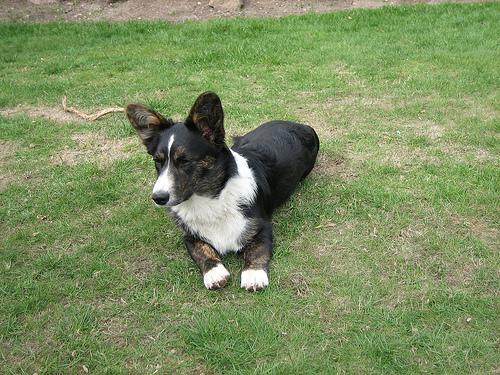
When your IVDD dog goes from fine to alarming at 11pm, the question isn’t just “is this bad?” — it’s “is this bad right now, and does it need help tonight?”
I’ve been there. Heidi deteriorated fast during her first IVDD episode, and I spent precious time second-guessing whether I was overreacting. What I know now is that with IVDD, the timing of care genuinely matters, and having a decision framework ahead of time can save you from either dangerous delay or panicked, unnecessary midnight driving.
This isn’t a replacement for calling your vet. It’s a starting point so you know what questions to ask yourself first.
Go to the ER Right Now: These Symptoms Cannot Wait
Some IVDD symptoms are true emergencies. If you’re seeing any of the following, don’t wait for morning. Call the nearest emergency animal hospital while you’re getting your dog into the carrier.
Complete loss of hind limb movement: If your dog cannot move their back legs at all (not just weak, but nothing) that’s a spinal cord crisis. Time matters enormously here. According to the Merck Veterinary Manual, outcomes for severely affected dogs are significantly influenced by how quickly decompression occurs.
No response to deep pain: This is the most urgent red flag of all. You can test this at home: pinch firmly between your dog’s toes. If there is zero response (no yelp, no flinch, no attempt to bite) deep pain sensation may be absent. I have a full article on deep pain perception in dogs that explains exactly what this means and why it changes everything.
Inability to urinate: A dog straining with no output, or a dog who you know hasn’t urinated in many hours and can’t seem to, may have urinary retention from spinal cord compression. This is painful and dangerous.
Rapid progression within hours: If your dog was wobbly two hours ago and is now dragging their legs, that rate of change matters. A fast-moving decline is more urgent than a dog who has been mildly off for two days.
Obvious, unrelenting pain: If your dog is screaming, won’t stop crying, won’t settle, and can’t find a comfortable position, that level of pain needs emergency management tonight, not tomorrow.
- Complete loss of hind limb movement
- No response when you pinch firmly between toes (deep pain test)
- Unable to urinate / straining with no output
- Rapidly worsening symptoms within a few hours
- Uncontrollable, unrelenting pain or screaming
How Do I Know If It’s Safe to Wait Until Morning?
This is honestly the harder call. “Wait until morning” doesn’t mean ignore it. It means you’ve assessed the situation, your dog is stable enough, and you have a plan.
A dog who is probably okay to see your regular vet at opening time looks like this:
Still able to walk, even if wobbly: Wobbly or ataxic (uncoordinated) movement is a IVDD symptom that needs prompt attention, but a dog who can still move their legs has not crossed into emergency territory yet, as long as they aren’t deteriorating rapidly.
Single yelp that didn’t repeat: One cry of pain that your dog recovered from, who is now resting comfortably and not vocalizing again, is worth watching overnight rather than rushing in. Set an alarm to check on them.
Mild weakness that has been stable for several hours: If the weakness hasn’t changed significantly in the past few hours, the situation may be stable enough for a morning appointment, but call when they open, not “sometime today.”
Responsive and resting comfortably: A dog who can settle, isn’t crying, and is responsive to you is in a better place than one who can’t stop moving or vocalizing.
- Wobbly walking that has NOT worsened in several hours
- One or two pain vocalizations that resolved
- Mild weakness with no other symptoms
- Monitor every 30–60 minutes through the night; any worsening = go to the ER
What to Do While You’re Waiting
If you’ve decided morning is appropriate, don’t just go back to bed. Strict confinement starts now. No stairs, no jumping, no running. Carry your dog everywhere. This is the beginning of the crate rest your vet will almost certainly prescribe. I’ve written a detailed crate rest guide for IVDD dogs that walks through the practicalities of those first critical days.
Keep your dog on a flat, supportive surface. Check on them every hour if you can. If anything changes (more pain, less movement, inability to pee) reassess immediately.
The Middle-of-the-Night Phone Call You Should Always Make
Here’s something I wish someone had told me earlier: most emergency vet clinics will take a triage phone call. You describe what you’re seeing, and a technician can help you assess whether this needs to come in tonight. This doesn’t cost anything, and it’s a much better use of your energy than spinning out on Google at 2am.
Call the ER. Describe the symptoms specifically. Mention when they started, whether they’ve changed, and what your dog can and can’t do. Let them help you make the call.
- Call ahead so they can prepare for a spinal case
- Carry your dog — do NOT let them walk to the car
- Keep them as flat and still as possible during transport
- Bring any medications they’re currently taking
- Note the timeline: when symptoms started, how they’ve changed
After the Emergency: What Comes Next
Whether you go in tonight or first thing tomorrow, the steps after diagnosis are their own journey. If you’re newly in this situation, my guide on what to do in the first 72 hours after an IVDD diagnosis will help you understand what the vet will likely recommend and how to prepare.
For dogs navigating recovery at home, the Help ‘Em Up Harness was genuinely one of the most useful tools during Heidi’s IVDD recovery. It lets you support your dog’s hindquarters without putting any pressure on the spine.
- Trust your gut — you know your dog better than anyone
- When in doubt, call the ER triage line before driving in
- Any loss of movement or deep pain response = don’t wait
- Stable and mild? Monitor closely, vet first thing in the morning
Related Reading
- IVDD Emergency Signs: When to Rush Your Dog to the Vet
- Just Diagnosed with IVDD: What to Do in the First 72 Hours
- First Aid for IVDD: What to Do Before Reaching the Vet
- Surgery or Euthanasia: How We Made the Hardest Decision of Heidi’s Life
- If you’re in crisis mode right now, our IVDD specialist finder lets you locate a board-certified neurologist or 24/7 emergency hospital in your state — fast.
You are not being dramatic. You are not overreacting. IVDD is serious, and the fact that you’re up in the middle of the night trying to figure out the right thing to do for your dog tells me everything I need to know about the kind of caregiver you are. Use this framework, trust what you’re seeing, and when in doubt, call the ER. They’d rather hear from you than not.
Frequently Asked Questions
Can IVDD get worse overnight if I wait to see a regular vet?
Yes, it can. IVDD is a spinal cord injury, and inflammation can progress rapidly in the first 24–48 hours. If your dog has lost the ability to walk or shows any signs of deep pain loss, waiting is a serious risk. Go to an emergency vet that night.
My dog cried out once but seems okay now. Should I still go to the ER?
A single yelp that resolves and doesn’t repeat, with a dog who is otherwise walking and acting normally, is often a “watch carefully tonight” situation rather than an immediate emergency. But if the yelping returns, or you notice any weakness or stumbling, don’t wait. Call the ER.
How do I tell if my dog has lost deep pain sensation?
Pinch firmly between your dog’s toes on the affected limb. A dog with intact deep pain will react: yelping, turning to look, trying to bite. No reaction at all (not just limpness, but truly no response) is a neurological red flag and an emergency. If you’re unsure, err on the side of going in.
What should I do on the way to the emergency vet with an IVDD dog?
Keep your dog as still as possible. Carry them in a flat, supported position, cradled against your chest or on a firm surface. Don’t let them walk, jump, or twist. Restrict movement as much as you can for the entire car ride.
This guide is based on real experience and should be used alongside professional veterinary care. Always consult your veterinarian before starting any new treatment or making changes to your dog’s care plan.