Drag Bags for Paralyzed Dogs: When to Use One & Best Picks
A drag bag protects paralyzed back legs from abrasions when your dog scoots. What I learned about sizing, materials, and using one alongside a wheelchair.
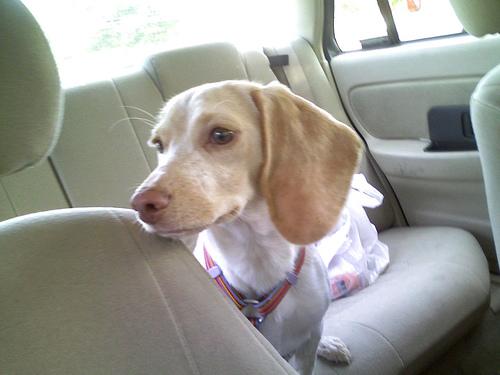
A drag bag is one of the most practical, underrated pieces of gear for a paralyzed dog — and most caregivers don’t hear about it until their dog has already worn through the fur on their back legs.
When Heidi lost the use of her back legs after her IVDD episode, I was focused entirely on the big decisions — surgery, crate rest, wheelchair timing. The drag bag didn’t even cross my mind. Then I noticed the fur on her hindquarters thinning, and redness starting to form on her knees. She had been scooting herself around her crate and across the floor to reach her water bowl, and the friction was doing real damage. A drag bag fixed that problem almost immediately.
If your dog is paraplegic — whether from IVDD, degenerative myelopathy, or another spinal condition — this is a piece of gear worth understanding before you need it urgently.
What Exactly Is a Drag Bag?
A drag bag is a fitted protective sleeve, usually made from durable nylon or Cordura fabric, that covers a dog’s hind legs, hindquarters, and lower belly. It straps securely around the dog’s waist, leaving the front half of the body completely free. When the dog uses their front legs to pull themselves forward, the bag slides along the floor instead of the dog’s bare skin.
Think of it as a protective shell for everything from the waist back. The goal is simple: eliminate direct contact between skin and floor during self-propelled movement.
Some bags include a fleece or soft lining inside for added comfort. The best ones have a reinforced bottom panel — the part that actually contacts the floor — made from a more abrasion-resistant material than the sides.
Drag Bag vs. Wheelchair: Are They the Same Thing?
These two tools are complementary, not interchangeable. A paralyzed dog typically needs both.
Wheelchair: Provides supported, upright exercise. The rear wheels hold the dog’s hind end off the ground, allowing them to walk naturally with their front legs while the cart carries the back. This is active rehabilitation — it builds muscle, encourages neurological activity, and keeps the spine in a healthy position. Most dogs use their wheelchair for structured exercise sessions.
Drag bag: Protects skin during self-propelled movement the rest of the day. When your dog isn’t in their wheelchair, they still want to move — to follow you around the house, reach their water, or just reposition themselves. That’s when the drag bag does its job.
The mistake I see caregivers make is thinking that because their dog has a wheelchair, they don’t need a drag bag. But a dog isn’t in their wheelchair 24 hours a day. The unprotected hours are exactly when abrasions happen.
If you’re still figuring out whether and when to introduce a wheelchair, the article on IVDD Stage 4: When Is a Wheelchair Right? walks through that decision in detail.
- Fur loss and skin abrasions from repeated floor contact
- Knuckling injuries (when paralyzed paws drag and fold under)
- Urine scald on the hindquarters during incontinence episodes
- Carpet or hardwood friction burns on the knees and hocks
How Do I Know If My Dog Needs a Drag Bag?
Any dog that is scooting, dragging their hind legs, or self-propelling without hind-leg function needs a drag bag — or at minimum, skin protection for those body parts.
The clearest signs that your dog is at risk include: fur thinning or disappearing on the knees and hocks, redness or rawness appearing on the hindquarters, urine dampness sitting against the skin during movement, and your dog actively pulling themselves around the house on their front legs.
You don’t need to wait for damage to appear. If your dog lost hind-leg function yesterday and is already trying to move around, put something protective on them today. Even a well-fitted Baby Drag Onesie — designed specifically for this purpose — can bridge the gap while you wait for a proper drag bag to arrive.
For dogs recovering from IVDD who are expected to regain function, a drag bag is still worth using during that in-between period. Recovery from severe IVDD can take weeks to months, and unprotected scooting can cause serious skin damage that becomes its own complication. The IVDD Stage 4 care guide has more on managing mobility at the most severe grades.
- Red pressure marks appear at the waist strap after removal
- The bag bunches up under the belly during movement
- Your dog is chewing or scratching at the bag constantly
- You notice moisture buildup or skin dampness inside the bag after 2 hours
- The bag slides backward off the hindquarters during scooting
Sizing and Materials: What to Look For
Getting the size right matters more than which brand you choose.
How to Measure
You need two measurements:
- Girth: The circumference of the widest part of the ribcage, just behind the front legs
- Length: From the last rib to the base of the tail
Most reputable drag bag makers publish a size chart based on these numbers. When you’re between sizes, go larger. A bag that’s slightly loose is easier to adjust than one that’s too tight and restricting movement or creating pressure points.
Materials
- Cordura or ballistic nylon: The gold standard for the exterior. Durable, abrasion-resistant, easy to wipe clean. Worth paying for.
- Fleece or sherpa lining: Softer against skin and reduces friction burns on the hocks and knees. Look for this in any bag your dog will wear for extended periods.
- Reinforced bottom panel: The single most important feature. The floor-contact side takes constant abuse — it needs to be made from something tougher than the rest of the bag.
- Waterproof or water-resistant lining: Helpful for dogs with urinary incontinence, where urine can pool inside an unprotected bag.
Avoid bags made entirely from stretchy fabric or thin nylon mesh. These compress against the skin with movement and tend to wear through quickly.
Closure System
Look for a waist strap that’s adjustable and has some padding. A bare nylon strap directly against a dog’s lower back will create its own friction sores. Velcro closures are convenient but wear out; a buckle-and-Velcro combination is more durable.
Skin Checks: The Part Most Caregivers Skip
The drag bag protects the outside — but it can also trap heat, moisture, and friction underneath if you’re not checking regularly.
Remove the bag every 2–4 hours and inspect the skin underneath. Look for:
- Redness or warmth: Early sign of friction irritation
- Moisture: From incontinence or just normal movement; dampness left against the skin leads to urine scald
- Fur matting: Can indicate the bag is riding too tight in one area
If you find redness, let the area air out before putting the bag back on. For minor irritation, triple antibiotic ointment can help prevent early sores from progressing. For more established pressure sores, the guide to pressure sores in paralyzed dogs covers treatment in more detail.
- Put the bag on when your dog starts their unsupervised time or is scooting around
- Check the skin every 2–4 hours; remove, air out, and refit
- Wipe the bag interior with a damp cloth daily to remove debris
- Wash the bag fully every 2–3 days, or immediately after any incontinence accident
- Keep a backup bag — you’ll want one while the other is drying
What About Dogs Who Hate Wearing It?
Some dogs tolerate a drag bag immediately. Others resist it for the first few days. This is normal.
Introduce the bag gradually: put it on for just a few minutes at first, immediately followed by something positive — a treat, attention, a favorite activity. Build up the duration over 3–5 days. Most dogs come to associate the bag with mobility and freedom, and the resistance fades.
If your dog is persistently distressed, recheck the fit. A dog who genuinely hates the bag after a week usually has a fit problem — something is rubbing, pinching, or restricting movement in a way they can’t ignore.
Related Reading
- IVDD Stage 4 & 5: Care Guide for Paralyzed Dogs
- Best Rear-Support Harnesses & Slings for IVDD Dogs
- Pressure Sores in Paralyzed Dogs: Prevention & Care
Frequently Asked Questions
Can a drag bag replace a wheelchair for a paralyzed dog?
No — a drag bag and a wheelchair serve different purposes. The drag bag protects skin when your dog self-propels around the house. A wheelchair provides supported exercise and forward momentum. Most paralyzed dogs benefit from both, used at different times of day.
How do I know what size drag bag to order?
Measure your dog’s girth (the widest part of the ribcage) and their length from the base of the tail to the last rib. Most drag bag brands publish a size chart based on these two measurements. When in doubt, size up slightly — a bag that’s too tight can restrict movement and create pressure sores.
How long can a dog wear a drag bag at a stretch?
Most rehab specialists suggest removing the bag every 2–4 hours to check the skin underneath. Dogs in drag bags can still develop sores from friction or moisture buildup, so scheduled skin checks are essential.
My dog’s paralysis might be temporary — should I still get a drag bag?
Yes. Even dogs expected to recover from IVDD can take weeks to regain full hind-leg function, and a single week of unprotected scooting can cause serious abrasions. A drag bag is inexpensive protection for that in-between period.
A drag bag won’t undo your dog’s diagnosis or speed up their recovery — but it keeps their skin intact while everything else unfolds, and that matters more than it sounds. A dog with healthy skin is a dog you can focus on rehabilitating, rather than managing a secondary wound. Get the bag, check the skin, and let your dog keep moving.
This guide is based on real experience and should be used alongside professional veterinary care. Always consult your veterinarian before starting any new treatment or making changes to your dog’s care plan.