Dog Back Pain: Causes, Symptoms, and When to See a Vet
Dog back pain has several causes — IVDD, muscle strain, arthritis, injury. Here's how to tell them apart, what can wait, and when it's an emergency.
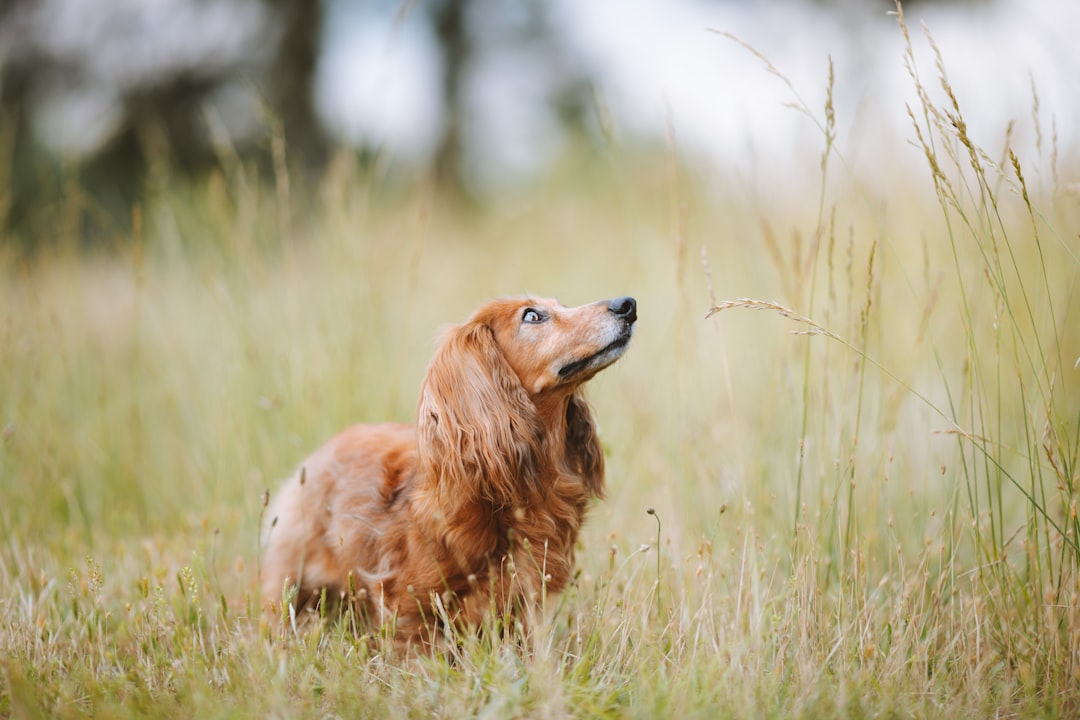
Photo by Reba Spike on Unsplash
Dog back pain can mean anything from a minor pulled muscle to a spinal disc rupture that needs emergency surgery — knowing the difference could save your dog’s mobility.
When I first saw Heidi hunched over and reluctant to move, my gut told me something was wrong with her spine. I didn’t know the word IVDD yet. I just knew this wasn’t a normal “slept funny” situation. That instinct was right — but not every dog with back pain has IVDD, and understanding the full picture helps you make faster, calmer decisions when it counts.
What Causes Back Pain in Dogs?
Dog back pain has several distinct causes that look similar from the outside but have very different urgency levels and treatment paths. The spine, the muscles surrounding it, and the discs between vertebrae can all be the source of trouble.
Here are the most common culprits:
- IVDD (Intervertebral Disc Disease): The discs between vertebrae bulge or rupture and press on the spinal cord or nerve roots. This is the most urgent cause — it can progress to paralysis quickly. Certain breeds, especially long-backed dogs like dachshunds, Corgis, and Basset Hounds, are at much higher risk.
- Muscle strain or soft tissue injury: Overexertion, a rough landing from jumping, or a sudden twist can strain the muscles along the spine. Usually resolves with rest, but it can look nearly identical to early IVDD.
- Spinal arthritis (spondylosis): Bony spurs form along the vertebrae over time, causing stiffness and chronic low-grade pain. More common in older, larger dogs. Usually manageable, rarely an emergency.
- Traumatic injury: A fall, car accident, or impact can fracture vertebrae or damage spinal soft tissue. Severity varies widely.
- Discospondylitis (disc infection): Rare, but a bacterial or fungal infection in a disc space can cause severe pain and systemic illness. Dogs with this are often clearly unwell — feverish, not eating, and in significant pain.
- Spinal tumors: Uncommon but possible, especially in older dogs. Usually a slow-onset presentation rather than sudden pain.
- Dachshunds, Corgis, Basset Hounds, French Bulldogs, Beagles, and Shih Tzus are chondrodystrophic breeds with much higher IVDD risk
- German Shepherds, Dobermans, and large breeds are more prone to Type II (slow-onset) disc disease and wobbler syndrome
- Any breed can develop muscle strain or arthritis — these aren’t breed-specific
What Does Dog Back Pain Look Like?
Back pain in dogs rarely looks like what we’d expect. Dogs don’t point to where it hurts. What you see instead is behavior changes and movement changes that, once you know what to look for, paint a clear picture.
Common signs of dog back pain include:
- Hunched or “roached” posture: The back curves upward as the dog braces against pain. This is one of the most reliable signs of spinal pain.
- Reluctance to move, jump, or do stairs: A dog who normally launches themselves onto the sofa and suddenly stops is telling you something.
- Yelping when touched along the back: Especially if it seems to come out of nowhere — you pet them normally and they cry out.
- Stiff gait or short, stilted steps: The dog moves like they’re trying not to let their back flex.
- Head held low: Often a sign of neck (cervical) pain rather than mid-back pain.
- Muscle trembling: Shaking or trembling through the back, especially when standing still.
- Changes in behavior: Suddenly grumpy, hiding, not wanting to interact — pain changes personalities.
The signs above describe pain without neurological involvement. The next category is the one that requires immediate action.
- Any hind-leg weakness, wobbling, or knuckling (paw turning under while walking)
- Dragging one or both back legs
- Loss of bladder or bowel control (or straining with no output)
- Sudden, severe pain — crying, won’t move, clearly in distress
- Paralysis of any limbs
How Do You Tell IVDD From Muscle Strain?
This is genuinely difficult without imaging — even experienced vets can’t always distinguish them on physical exam alone. That said, there are patterns that point in each direction.
Muscle strain tends to improve with 24–48 hours of rest. The dog may be sore and stiff, but the trajectory is upward. IVDD tends to either hold steady or worsen, and critically, it often involves some degree of neurological sign — even subtle wobbling, a slight drag on one paw, or a leg that seems weaker than the other.
The single most important thing to watch for is any change in the legs. If your dog is sore but walking normally, you may be looking at muscle strain. If there’s any leg involvement at all, assume IVDD until proven otherwise and see a vet today. As VCA Hospitals notes, spinal cord compression from disc disease can escalate rapidly, and early intervention significantly affects outcomes.
A previous article goes deeper on this specific question: IVDD vs Back Injury: How to Tell the Difference.
What About Spinal Arthritis?
Spinal arthritis (often called spondylosis deformans) is a chronic, degenerative condition where bony bridges form between vertebrae. It’s common in older dogs and large breeds, and it typically presents as gradual stiffness rather than sudden pain.
Dogs with spinal arthritis are usually older, have a history of slowly worsening mobility, and don’t typically yelp suddenly or show acute neurological signs. Morning stiffness that loosens up with movement is a hallmark. It can look like hip or joint problems, which is why accurate diagnosis matters — the article Back Pain or Hips? IVDD vs Arthritis & Hip Dysplasia covers that differential in detail.
Spondylosis is managed rather than cured. Anti-inflammatory medications, weight management, gentle exercise, and sometimes physical therapy are the mainstays of dog back pain treatment for this cause.
What’s the Triage Framework? What Can Wait and What Can’t?
Getting the urgency level right is the most practical thing this article can offer you.
| Presentation | Urgency | What to Do |
|---|---|---|
| Stiffness only, walking normally, no leg changes | Can wait — regular vet within 24–48 hrs | Rest, limit activity, monitor closely |
| Mild pain, hunched posture, no leg involvement | Same-day vet preferred | Don’t let them jump or run; call your vet |
| Any hind-leg weakness, wobbling, or knuckling | Same-day emergency visit | Restrict movement, carry if needed |
| Dragging legs, loss of bladder/bowel control | Emergency — go now | Carry on a flat surface, don’t let them walk |
| Suspected trauma (fall, impact) | Emergency | Immobilize as much as possible, emergency vet |
| Sudden total paralysis | Emergency — minutes matter | Go to the nearest emergency animal hospital |
 disableddogcare.com
- Sudden paralysis in any limb — even partial
- Complete loss of bladder or bowel control with no prior history
- Dog won’t bear any weight and is in obvious severe distress
- Suspected spinal trauma (fall from height, car accident, impact)
- Deep pain sensation is absent (dog doesn’t react when you gently pinch a paw)
The last point — deep pain sensation — is one that vets test in the clinic, but you can get a rough read at home. If you gently pinch between the toes of the back feet and your dog doesn’t pull away or react, that is a neurological emergency. The article Deep Pain Sensation in IVDD: The Test That Predicts Recovery explains exactly what this test means and why it matters so much for prognosis.
What Happens at the Vet?
Your vet will do a neurological exam — watching how your dog walks, testing reflexes, palpating along the spine, and checking for pain responses. Based on findings, they may recommend X-rays to rule out fractures or severe spondylosis.
Here’s the important caveat: plain X-rays cannot show soft tissue or disc material. They can support a diagnosis but can’t confirm IVDD. If IVDD is suspected and there’s neurological involvement, your vet will likely refer you to a neurologist for an MRI or CT scan. That’s not an overreaction — it’s how this disease is properly staged so the right treatment decision gets made.
For suspected IVDD, a rear-support harness can help you move your dog safely to and from the car without twisting their spine. Many caregivers find a rear-support harness like the Help ‘Em Up invaluable during the acute phase before they know exactly what they’re dealing with.
- Restrict all jumping, stairs, and running until you’ve seen a vet
- Carry your dog to go outside rather than letting them navigate steps
- Keep them calm and confined — a crate or small room limits movement
- Note exactly when symptoms started and what changed — vets find this timeline very useful
- If there’s any leg involvement, call your vet before the clinic opens if needed
Related Reading
- IVDD Emergency Signs: When to Rush Your Dog to the Vet
- IVDD vs Back Injury: How to Tell the Difference
- Back Pain or Hips? IVDD vs Arthritis & Hip Dysplasia
If your dog’s back pain turns out to be IVDD, you are not alone and it is not hopeless. What matters most right now is knowing what you’re dealing with so you can act quickly and confidently. The first few hours and days shape what comes next more than almost anything else.
This guide is based on real experience and should be used alongside professional veterinary care. Always consult your veterinarian before starting any new treatment or making changes to your dog’s care plan.
Frequently Asked Questions
What are the most common causes of back pain in dogs?
The most common causes of dog back pain are IVDD (intervertebral disc disease), muscle strain, arthritis of the spine, and traumatic injury. Less commonly, a spinal infection or tumor can be responsible. Most dogs with sudden-onset severe pain, weakness, or any limb involvement should be seen by a vet promptly.
How can I tell if my dog’s back pain is serious?
Signs that back pain is serious include hind-leg weakness, dragging, loss of bladder or bowel control, sudden yelping when touched along the spine, and inability to stand. Any of these require same-day or emergency vet care — don’t wait to see if it improves overnight.
Can a dog recover from back pain without treatment?
Mild muscle strain can sometimes resolve with rest over a few days. However, spinal causes like IVDD can progress rapidly without treatment, and waiting significantly reduces recovery odds. When in doubt, a vet visit is always the safer choice.
What does dog back pain treatment involve?
Dog back pain treatment depends on the cause. Muscle strain is typically managed with rest and sometimes anti-inflammatory medication. IVDD is treated with strict crate rest, medications, and sometimes surgery depending on severity. Arthritis is managed long-term with pain control, weight management, and physical therapy.