IVDD Dog Diet: What We Feed Heidi (and What We Cut)
Weight is the #1 IVDD diet issue — Heidi's daily meals, the anti-inflammatory foods we added, and what our vet told us to cut immediately.
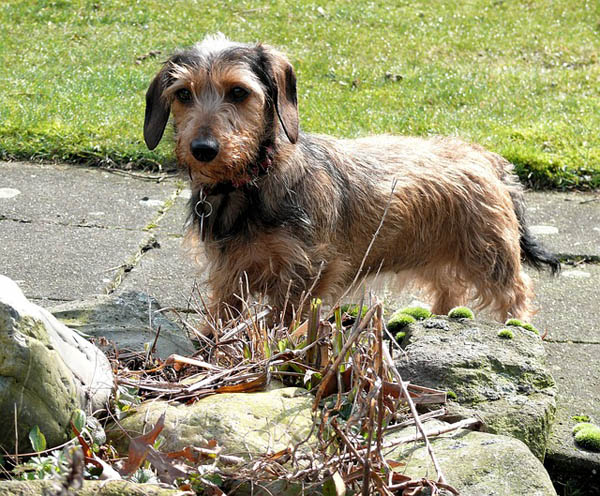
What you feed your IVDD dog matters more than most people realize, especially when it comes to weight.
When Heidi was first diagnosed with IVDD, I went down every rabbit hole I could find: surgery, crate rest, physical therapy. Diet was almost an afterthought. It wasn’t until her neurologist mentioned during a follow-up that she was carrying a little too much weight that I started taking this seriously. That conversation changed how I approach feeding her every single day.
This isn’t a prescription diet guide. Your vet needs to weigh in on your specific dog’s needs. But this is what I’ve learned, what changed for us, and what I feed Heidi now.
Why Does Weight Matter So Much for IVDD Dogs?
Extra body weight directly increases the load on your dog’s spine, and for a dog whose discs are already compromised, that added pressure matters. Maintaining a lean body condition is one of the most widely agreed-upon recommendations in IVDD management, from neurologists to rehab therapists to the general veterinary literature. It won’t reverse existing disc damage, but it reduces the ongoing mechanical stress that can push a vulnerable disc toward another herniation.
For dachshunds, this is especially relevant. They already have a long spine relative to their leg length, which creates natural spinal loading challenges. Adding even a pound of extra weight (which sounds trivial but represents a much higher percentage of their body weight than it would for a larger dog) shifts that balance further.
When I started looking at Heidi more honestly after her diagnosis, I realized she had been carrying a little extra all along. Getting her to a lean (but not thin) body condition became a priority alongside all the other recovery work.
- You should be able to feel your dog’s ribs easily without pressing hard — but not see them prominently
- Looking from above, your dog should have a visible waist behind the ribs
- Looking from the side, there should be a slight abdominal tuck
- Your vet can give your dog a Body Condition Score (BCS) on a 1–9 scale; 4–5 is ideal for most dogs
What Do I Actually Feed Heidi?
Heidi eats a measured portion of a high-quality kibble formulated for small breeds. I weigh her food with a digital kitchen scale rather than using the cup measurements on the bag — those tend to run generous, and small discrepancies add up over months.
The key changes I made after her IVDD diagnosis:
- Switched from free-feeding to scheduled meals: Two measured meals per day instead of leaving food down. This made it easy to track exactly what she was eating.
- Reduced her overall calories: Her neurologist recommended feeding toward her ideal weight, not her current weight. That means I calculate portions based on what she should weigh, not what she actually weighed at the time.
- Cut back on treats dramatically: I still give her treats for enrichment and training, but I count them as part of her daily calorie budget. Small pieces of plain boiled chicken or baby carrots became her go-to low-calorie options.
- Added a fish oil supplement: We use a small daily dose of fish oil for the omega-3 content. Omega-3 fatty acids are widely recommended for their anti-inflammatory properties, and many rehab specialists suggest them as a supportive addition for dogs with spinal conditions. I confirmed the dose with our vet.
I also give Heidi daily cranberry chews as part of her incontinence management routine. That’s separate from the diet-for-IVDD piece, but worth mentioning because everything you add to the food bowl adds up calorically, and I factor those in too.
- Fish oil (EPA/DHA): The most widely suggested addition for dogs with inflammatory conditions. Confirm dose with your vet.
- Blueberries: Low-calorie, antioxidant-rich, and most dogs love them as treats
- Pumpkin (plain, canned): Good for digestive health and low in calories; also helps with stool consistency
- Leafy greens: Small amounts of spinach or kale can be added to meals — introduce slowly
- Sardines in water: An occasional whole-food omega-3 source; just watch the sodium content
What About During Crate Rest Specifically?
This tripped me up early on. During the acute crate rest phase (whether you’re managing IVDD conservatively or recovering from surgery) your dog’s calorie needs drop significantly. They’re not moving. At all. If you keep feeding the same amount you were feeding before, weight creeps up fast during those weeks.
I learned to reduce Heidi’s portions during her strict rest period and relied heavily on low-calorie enrichment options (licking frozen broth from a Lickimat, small pieces of vegetable as mental stimulation) rather than high-calorie chews and biscuits. It made a real difference in how she looked and felt coming out of that rest phase.
If you’re in the thick of crate rest right now, the crate rest guide for IVDD dogs has practical tips for keeping your dog occupied, which also helps with the temptation to overfeed out of guilt. (I definitely did that in the early days.)
- Feeding the same pre-diagnosis portion during restricted activity — calorie needs are lower when a dog can’t move
- Using high-calorie chews (bully sticks, pig ears) as enrichment during crate rest without adjusting meals
- Letting family members give extra treats without accounting for them in the daily budget
- Relying on bag feeding guidelines — these are often higher than what an inactive or small dog actually needs
Do I Need a Prescription Diet?
Not necessarily, though some dogs do benefit from one. A prescription joint support diet isn’t automatically required for an IVDD dog, but there are situations where your vet might recommend one: significant obesity that isn’t responding to portion control, concurrent joint issues, or other health factors.
What I’d suggest is asking your vet at your next appointment to do a Body Condition Score assessment and give you a target weight and calorie range. That number is more useful than any specific brand recommendation I could make, because it’s based on your individual dog.
For Heidi, a standard small-breed adult formula with a fish oil supplement and strict portion control has worked well. Her body condition has been stable and healthy for well over a year now, and that’s something I genuinely believe has helped protect her spine alongside the other relapse prevention habits we follow.
Related Reading
- Preventing IVDD Relapse: 5 Rules I Follow
- Long-Term Care for an IVDD Dog: Life After Crisis
- Crate Rest for IVDD Dogs: A Survival Guide
Diet isn’t glamorous, and it’s easy to feel like you’re denying your dog something when you’re measuring food and saying no to extra treats. But for Heidi, getting her to a healthy weight has been one of the most tangible, actionable things I’ve been able to do for her spine. It doesn’t require a prescription. It doesn’t cost extra. It just requires consistency, and after everything we went through together, that’s something I can absolutely give her.
Frequently Asked Questions
What is the most important diet change for an IVDD dog?
Reaching and maintaining a healthy weight is the single most impactful dietary change for an IVDD dog. Extra weight increases the load on an already compromised spine, which can accelerate disc problems and raise the risk of a relapse.
Are there anti-inflammatory foods I can add to my IVDD dog’s meals?
Yes. Omega-3 fatty acids (found in fatty fish, fish oil, and some fortified dog foods) are widely recommended for their anti-inflammatory properties. Blueberries, leafy greens, and pumpkin are also commonly suggested as safe, low-calorie additions. Always confirm any additions with your vet.
How much should I feed an IVDD dog during crate rest?
During crate rest, your dog’s calorie needs drop significantly because activity is restricted. Most vets recommend reducing portions compared to your dog’s normal maintenance intake. Your vet can calculate a target calorie range based on your dog’s ideal weight, not their current weight.
Can diet alone prevent an IVDD relapse?
Diet alone cannot prevent an IVDD relapse, but weight management is consistently cited as one of the most important long-term protective factors. A healthy weight reduces spinal stress and is an integral part of a broader relapse-prevention plan.
This guide is based on real experience and should be used alongside professional veterinary care. Always consult your veterinarian before starting any new treatment or making changes to your dog’s care plan.