Cocker Spaniel IVDD: What Owners Need to Know
Cocker Spaniels face real IVDD risk — what signs to catch early, how to reduce chances of a disc episode, and when to escalate fast.
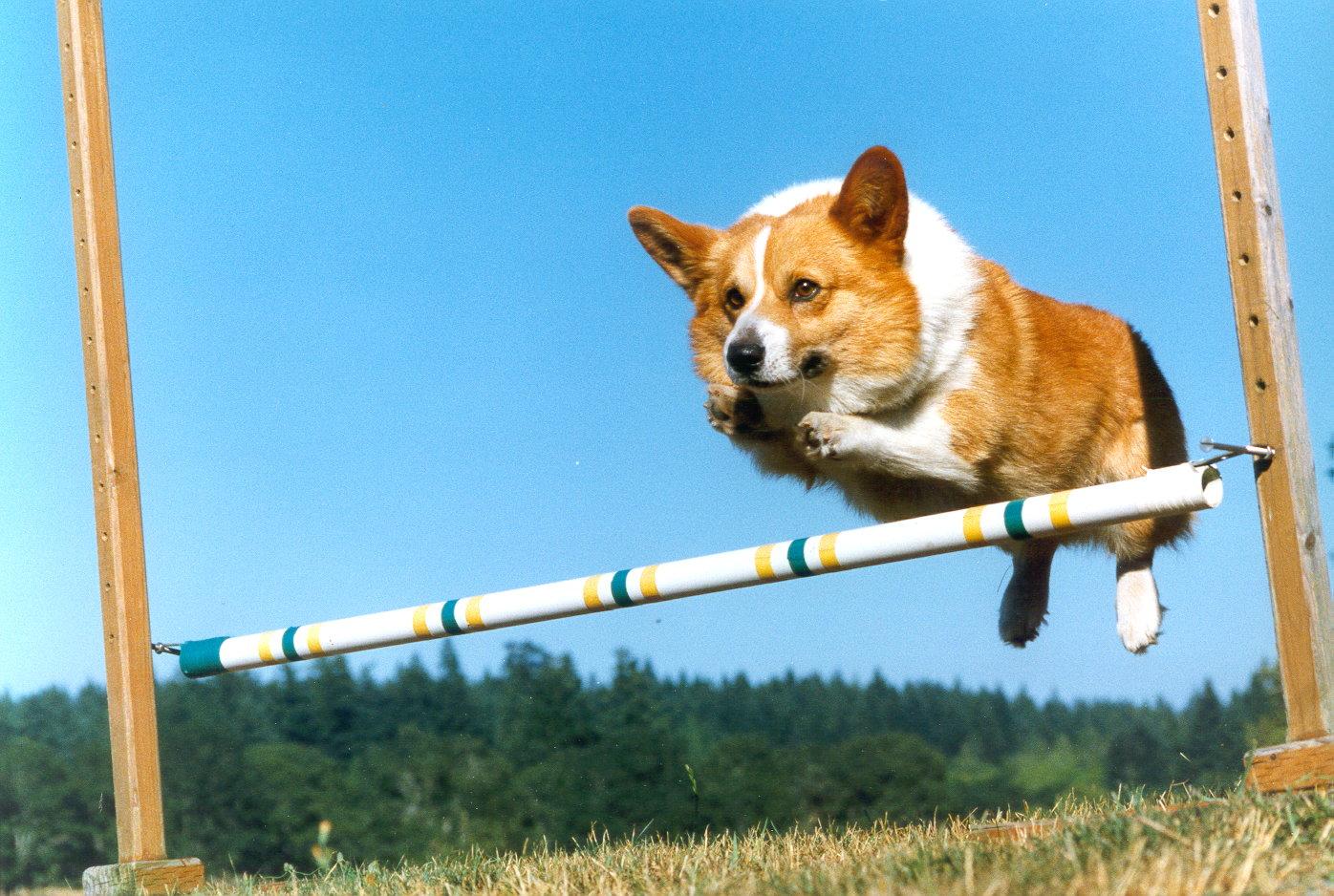
Photo by Albert Vincent Wu on Unsplash
Cocker Spaniels are more vulnerable to IVDD than most owners realize, and catching the signs early can make the difference between a full recovery and a much harder road.
If you share your life with a Cocker Spaniel, you probably already know they’re dramatic, soulful dogs who act like every belly rub is the best one they’ve ever had. What you might not know is that they carry a real risk for intervertebral disc disease — the spinal condition that’s more commonly discussed in Dachshunds and Corgis, but absolutely shows up in Spaniels too.
I want to walk you through what the risk actually looks like for this breed, what signs to catch early, what you can do to lower the odds of a disc episode, and how to know when it’s time to escalate to emergency care.
Why Are Cocker Spaniels at Risk for IVDD?
Cocker Spaniels are considered a chondrodystrophoid-influenced breed, which means their intervertebral discs — the cushion-like structures between the vertebrae — are prone to early degeneration. Instead of staying gel-like and flexible, the disc material can harden and calcify over time. Once that happens, a disc is far more likely to herniate under normal stress: jumping off the couch, landing funny, or even just sneezing hard.
This is different from the risk profile of a large-breed dog, where disc problems tend to appear later in life and progress more gradually. In chondrodystrophoid breeds, disc degeneration can start early — sometimes before age 3 — and an acute episode can come on suddenly, with little warning.
Cocker Spaniels are not at quite the same extreme level as Dachshunds or Corgis (who have classic chondrodystrophic conformation), but they sit firmly in the elevated-risk category. If you have one, it’s worth knowing the signs the way you know the signs of a kennel cough or an ear infection.
What Does IVDD Actually Feel Like for Your Dog?
Most dogs can’t tell us their back hurts. What they show us instead is behavioral change. The tricky part is that IVDD symptoms can mimic other things — a pulled muscle, a sore leg, even just a bad mood day.
The warning signs most commonly reported in Cocker Spaniels include:
- Hunched or roached back: The spine looks arched upward, especially in the middle or lower back. Dogs do this to protect a painful disc.
- Reluctance to jump or climb stairs: If your Spaniel suddenly refuses to hop onto the sofa they’ve launched themselves onto for years, take it seriously.
- Yelping when touched: Pain along the spine — or even just being picked up — can cause a sharp cry that seems to come out of nowhere.
- Stiff or stilted gait: An oddly careful walk, like they’re picking their feet up differently, or moving slower than usual.
- Wobbling or dragging in the back legs: This is a more serious sign and means the disc is already affecting the spinal cord.
- Loss of bladder or bowel control: If your dog has an accident inside with no apparent reason, IVDD is on the list of things to rule out immediately.
- Complete refusal to move: Some dogs go very still when a disc is badly herniated. This is a red flag, not laziness.
- Any hind-leg weakness, stumbling, or dragging
- Loss of bladder or bowel control (even just one incident)
- Sudden yelping when touched or moved
- Refusal to stand or walk
- Rapid worsening of any back-related symptom within hours
If you’re not sure whether what you’re seeing qualifies as an emergency or can wait until morning, the article on IVDD emergency signs walks through exactly that decision.
How Do I Reduce My Cocker Spaniel’s Risk of a Disc Episode?
No lifestyle change eliminates IVDD risk entirely, but several modifications are widely recommended for chondrodystrophoid-influenced breeds — and many caregivers find they make a meaningful difference.
Keep Weight in a Healthy Range
Every extra pound your Cocker Spaniel carries adds load to those already-vulnerable discs. Weight management is one of the most direct, evidence-backed things you can do for spinal health. If you’re not sure whether your dog is at an ideal weight, your vet can assess their body condition score at the next wellness visit.
Rethink Jumping
Jumping off the sofa or bed repeatedly across years of a dog’s life puts repeated compressive and landing stress on the discs. Many owners of at-risk breeds use ramps or steps to give their dog a gradual exit from furniture. It takes about a week for most dogs to reliably use them, and it’s one of the easiest preventive changes you can make.
Use a Harness Instead of a Collar
Neck jerks from a collar — especially if your dog pulls on leash — can stress the cervical (neck) discs. A well-fitted harness removes that load from the spine entirely.
Avoid High-Impact Activities
Long leash runs on hard pavement, repetitive ball-chasing with sharp turns, or rough play with larger dogs can all stress the spine. This doesn’t mean your Spaniel can’t have fun — it means choosing lower-impact ways to exercise them: sniff walks, gentle swimming, controlled fetch on grass.
- Ramps or pet stairs for furniture and car access
- Harness instead of collar for all walks
- Keep weight lean — ask your vet for an ideal target
- No jumping from heights; no rough play with very large dogs
- Learn the early warning signs so you can act fast if something shifts
Understanding the Grades of IVDD
IVDD is graded on a scale from 1 to 5, and the grade at the time of diagnosis drives almost every decision about treatment. A Grade 1 dog is painful but walking normally. A Grade 5 dog has lost deep pain sensation in the limbs — and the clock on recovery is running. The article on the 5 IVDD stages explained goes through each grade in detail, including what recovery tends to look like at each level.
The practical takeaway: the earlier you catch a disc episode and get your dog evaluated, the more treatment options you have. Waiting to see if things improve on their own is one of the most common and costly mistakes owners make.
What Happens at the Vet?
If your vet suspects IVDD, they’ll start with a neurological exam — checking reflexes, response to touch, and how your dog walks (or doesn’t). X-rays can sometimes show calcified discs or narrowed disc spaces, but MRI is the gold standard for confirming which disc is herniated and how severely. Not every practice has in-house MRI; you may be referred to a veterinary neurologist.
From there, treatment will depend on the grade. Mild cases are often managed with strict crate rest — typically 4 to 8 weeks — combined with anti-inflammatory medication and pain management. More severe cases may need surgery to decompress the spinal cord. The article on IVDD surgery vs. conservative care walks through how those decisions get made.
- A video of any abnormal gait or posture (filmed at home before symptoms change)
- A timeline: when did it start, what changed, has it gotten worse?
- Your dog’s current medications and supplements
- Notes on recent activity — did anything precede the episode?
What If My Cocker Spaniel Needs Long-Term Care?
Some dogs bounce back from a single disc episode and go on to live normal, active lives with some lifestyle modifications. Others have recurring episodes, or experience enough spinal cord damage that ongoing support is needed. If you’re navigating life after the crisis point, the article on long-term care for an IVDD dog covers what daily management actually looks like.
For dogs who need physical support during recovery, a good rear-support harness like the Help ‘Em Up Harness can make a real difference — both for helping your dog move and for protecting your own back through repeated assists.
The most important thing I want you to take away is this: if your Cocker Spaniel shows any back-related symptom — even a subtle one — don’t wait to see if it resolves on its own. Call your vet the same day. IVDD is one of those conditions where hours genuinely matter, and the owners who act fast almost always have better outcomes to report.
Related Reading
- IVDD Emergency Signs: When to Rush Your Dog to the Vet
- The 5 IVDD Stages Explained: Symptoms & Recovery Odds
- IVDD Without Surgery: Conservative Management That Works
Frequently Asked Questions
Are Cocker Spaniels prone to IVDD?
Yes. Cocker Spaniels are considered a chondrodystrophoid-influenced breed, meaning their disc material can degenerate earlier than in many other dogs. They are not the highest-risk breed for IVDD, but they are significantly more prone to disc problems than the general dog population.
What are the first signs of IVDD in a Cocker Spaniel?
Early signs often include hunching the back, reluctance to go up stairs or jump, yelping when touched along the spine, a stiff or stilted gait, and reduced activity. Any of these signs warrants a same-day vet call rather than a wait-and-see approach.
What age do Cocker Spaniels typically develop IVDD?
Most IVDD episodes in Cocker Spaniels occur between ages 3 and 8, though disc degeneration can begin earlier. Older dogs can also experience disc problems, often presenting more gradually rather than as a sudden acute episode.
Can IVDD in Cocker Spaniels be managed without surgery?
Yes, many mild to moderate cases are managed with strict crate rest, anti-inflammatory medications, and pain management. However, more severe cases — especially those involving leg weakness or loss of bladder control — may require surgery for the best possible outcome.
This guide is based on real experience and should be used alongside professional veterinary care. Always consult your veterinarian before starting any new treatment or making changes to your dog’s care plan.