Chihuahua Back Problems: IVDD Risk, Signs, and Care
Chihuahuas don't look like disc dogs — but they carry real IVDD risk, especially in the neck. What owners miss, what to watch for, and when to act.
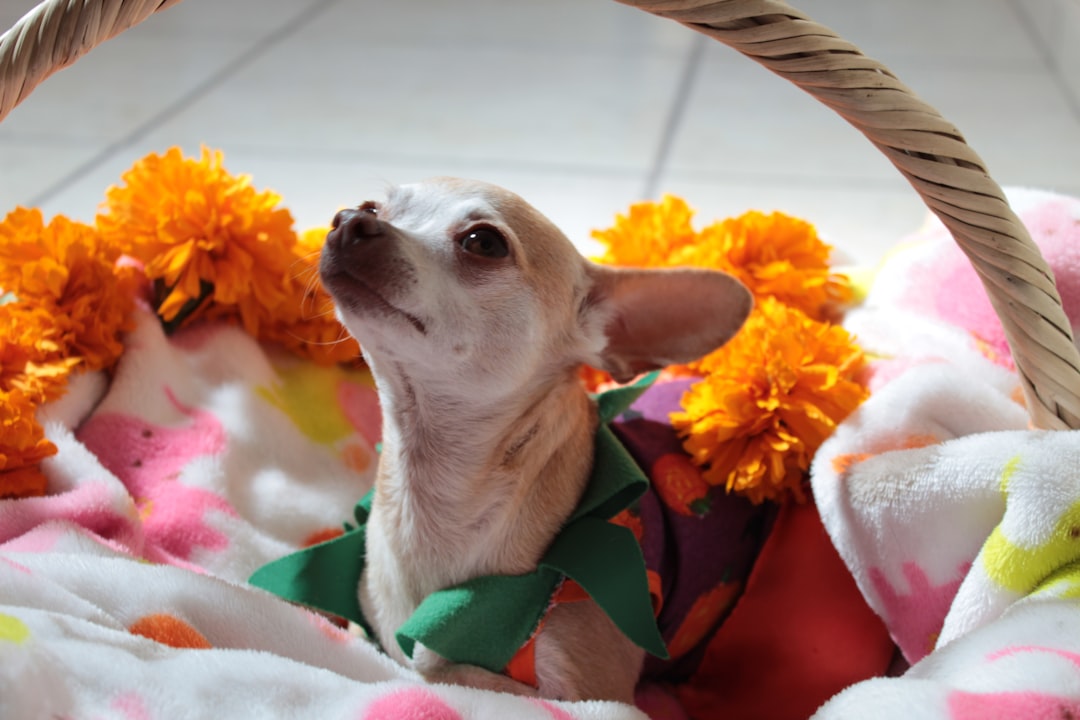
Photo by Alondra Pavón on Unsplash
Chihuahuas develop back problems — specifically IVDD — more often than most owners realize, and because they don’t fit the classic “long-backed disc dog” image, the warning signs get missed or misread until things get serious.
Why Do Chihuahuas Get IVDD When They Don’t Even Have Long Backs?
Chihuahuas develop IVDD for the same biological reason Dachshunds do: a genetic variant called CDDY (chondrodystrophoid disc disease, associated with the FGF4 retrogene) causes intervertebral discs to calcify and lose their shock-absorbing properties far earlier than they should. The discs become brittle instead of bouncy, and under normal everyday stress — a jump off the couch, a sudden twist of the head — they can rupture and press against the spinal cord.
The long back is actually a red herring when it comes to predicting disc disease. It’s the disc quality that matters, not the body shape. Chihuahuas may look compact and athletic, but their disc tissue ages fast. According to the American Kennel Club, Chihuahuas are among the small breeds with documented IVDD susceptibility — the compact frame doesn’t protect them.
What makes Chihuahuas distinct from Dachshunds is where their discs tend to fail. The thoracolumbar (mid-to-lower back) region is the classic Dachshund danger zone. In Chihuahuas, the cervical spine — discs C2 through C7 in the neck — takes the worst of it. That changes everything about how the disease looks and how easy it is to recognize.
If you want to understand the biology in more depth, I’ve covered the genetics behind disc degeneration in the article on IVDD genetics, CDDY, and chondrodystrophy.
What Are the Signs of Chihuahua Back Problems?
The most important early signs of IVDD in Chihuahuas are neck pain, guarding behavior, and any new stumbling or weakness in the legs. Because the neck is the primary site, you often won’t see the dramatic hindquarter dragging that Dachshund owners are warned about — at least not early on.
Watch for these signs specifically:
- Yelping when picked up: This is one of the most consistent early signals. If your Chihuahua cries out when you lift them under the chest or around the ribcage, disc pain is high on the list.
- Reluctance to turn the head: A dog with cervical IVDD will move the whole body to look sideways rather than just swiveling the neck. It’s subtle, but once you see it, you can’t unsee it.
- Low head carriage or hunched neck posture: Instead of holding the head up normally, the dog keeps the neck stiff and slightly lowered to offload pressure on the disc.
- Crying out with no visible cause: Spontaneous yelping — while resting, not being touched, not doing anything — is a pain signal. Many owners describe it as startling and inexplicable.
- Stumbling, ataxia, or wobbliness: When disc material presses on the cervical spinal cord, it can cause coordination problems in all four limbs. A Chihuahua that looks “drunk” or trips over their own feet may have cord compression, not just pain.
- Front leg weakness: Cervical disc disease can cause weakness in the front legs specifically, which is the opposite of the hind-leg weakness pattern most people associate with IVDD.
- Reluctance to jump or use stairs: Even if the neck seems fine, pain and early weakness show up as avoidance behavior.
- Sudden inability to walk or stand
- Loss of bladder or bowel control
- Collapse or paralysis of any limbs
- Profound stiffness with crying when touched anywhere on the neck or back
- Rapid worsening over a few hours
The Tracheal Collapse Confusion
This is a trap that catches a lot of Chihuahua owners, and I want to address it directly. Tracheal collapse is extremely common in Chihuahuas — it’s a structural problem where the cartilage rings of the trachea weaken and the airway partially closes, causing a distinctive honking or goose-like cough. It can cause distress, reluctance to exercise, and gasping sounds.
IVDD, particularly cervical disc disease, can cause a dog to cry out, strain the neck in odd positions, and seem generally uncomfortable and unwilling to move. When the two conditions overlap — or when an owner sees distress and assumes it must be the trachea because “that’s what Chihuahuas get” — disc disease can go undiagnosed for weeks.
The key distinguishing features:
| Feature | Tracheal Collapse | Cervical IVDD |
|---|---|---|
| Sound | Honking, goose-like cough | Yelping, whimpering, crying |
| Trigger | Exercise, excitement, pulling on collar | Movement, being picked up, turning head |
| Posture | Usually normal between episodes | Often guarded, low head carriage |
| Neurological signs | None | Possible stumbling, weakness |
| Worse with | Collar pressure, heat | Neck movement, handling |
 disableddogcare.com
If your Chihuahua is showing pain behaviors along with respiratory signs, don’t assume one rules out the other. Imaging — at minimum, X-rays; ideally an MRI — is the only way to definitively identify disc involvement. The cervical IVDD overview has more detail on how neck disc disease presents and why it gets underestimated across all small breeds.
- Owners expect hindquarter weakness, not front-leg or neck symptoms
- Small breed distress can be dismissed as anxiety or behavioral quirks
- Tracheal collapse is so common in Chihuahuas that it becomes the default explanation
- Subtle signs like head-turning avoidance are easy to overlook in daily life
How Is Chihuahua IVDD Diagnosed and Treated?
Diagnosis starts with a neurological exam and typically X-rays, though X-rays alone can miss soft disc herniations. An MRI is the gold standard for identifying exactly which disc is affected and how much cord compression is present — this matters for treatment decisions and surgical planning. If you want to understand what imaging options actually tell you, the breakdown at IVDD imaging explained is worth reading.
Treatment depends on how severe the neurological signs are. For dogs with pain but no significant weakness or neurological deficits, conservative management is typically tried first: strict crate rest for several weeks, anti-inflammatory medication, and pain management. For dogs showing weakness, stumbling, or any loss of bladder or bowel function, surgery becomes the more likely recommendation. The full comparison of how these decisions get made is covered in IVDD surgery vs conservative care.
One important point for Chihuahua owners: these dogs are small. Surgical approaches to cervical discs in tiny dogs carry their own risks, and the decision requires a veterinary neurologist or surgeon with small-breed experience. Don’t assume your regular vet’s surgical comfort level with a standard-sized dog translates directly.
Weight Matters More Than You Think
Chihuahuas that carry extra weight put increased mechanical stress on already-compromised discs. Many caregivers in the disabled dog community overlook this because Chihuahuas are so small that even a few extra ounces look minor. But disc pressure scales with body weight, and keeping a Chihuahua at a lean, healthy weight is one of the most concrete things you can do for long-term spinal health.
- Use a harness instead of a collar for all walks — collar pressure directly stresses cervical discs
- Block access to furniture jumps and use ramps or steps instead
- Keep weight at the lean end of healthy — ask your vet for a target
- Avoid rough play that involves twisting or sudden jerking of the neck
- Learn the early pain signals so you can catch flare-ups fast
What If It Happens Again?
IVDD in Chihuahuas is rarely a one-time event. The same disc degeneration that caused the first episode affects multiple discs throughout the cervical spine, and recurrence is a real possibility. The article on IVDD recurrence odds and prevention walks through what the recurrence risk actually looks like and what management changes help reduce it. For ongoing daily management and how life shifts after a disc episode, long-term care for an IVDD dog covers what that looks like practically.
If your Chihuahua needs support during walks or recovery, many small-breed owners find that a front-supporting harness like the Help ‘Em Up Harness provides the lift and stability needed without putting any pressure on the neck.
Related Reading
- Cervical IVDD: The Neck-Disc Disease Owners Underestimate
- Yorkie IVDD: Small-Breed, Cervical-Heavy Risk
- Which Dog Breeds Get IVDD Most? The At-Risk Breed List
If you’re in the middle of this right now — your Chihuahua is in pain, you’re scared, and you’re not sure what’s happening — I want you to know that a lot of small dogs like yours come through IVDD episodes and go on to live full, comfortable lives. The key is catching it early, taking it seriously, and not talking yourself out of a vet visit because “maybe it’s just the trachea.” Trust your gut when something seems off. You know your dog.
This guide is based on real experience and should be used alongside professional veterinary care. Always consult your veterinarian before starting any new treatment or making changes to your dog’s care plan.
Frequently Asked Questions
Are Chihuahuas prone to back problems?
Yes. Chihuahuas carry a genetic mutation that causes premature disc degeneration, making them susceptible to IVDD despite not having the classic long-backed appearance. Cervical (neck) discs are especially vulnerable in this breed.
What does IVDD look like in a Chihuahua?
Common signs include yelping when picked up, reluctance to move the head side to side, arching or hunching the neck, stumbling, and crying out for no obvious reason. Because Chihuahuas often present with neck pain rather than back pain, owners sometimes miss the disc connection entirely.
Can Chihuahua back problems be confused with tracheal collapse?
Yes, and this is one of the trickiest diagnostic overlaps in the breed. Both conditions can cause distress sounds and reluctance to move. A coughing, honking noise is more typical of tracheal collapse, while pain on neck movement and posture changes point more toward cervical IVDD — but imaging is needed to tell them apart definitively.
Is surgery always needed for Chihuahua IVDD?
Not always. Many Chihuahuas with mild to moderate IVDD are managed conservatively with strict crate rest, pain medication, and anti-inflammatories. Surgery becomes more likely when neurological signs appear, the dog loses bladder or bowel control, or conservative care fails to produce improvement within the expected window.